
 Tiếng Việt





WFH (Work From Home) is no longer a temporary solution during the Covid 19 period but has become a strategic trend that many businesses maintain because of its practical benefits for the modern workplace. In this article, Inspire Hub explains what WFH is, analyzes its benefits for both businesses and employees, and suggests effective ways to implement Work From Home in practice.
What is WFH (Work From Home)? A future work trend
WFH is short for Work From Home, which is a remote work model that allows employees to complete their work without being present at the company office. Employees can work from home, a coworking cafe, or any location with a stable internet connection, as long as they meet the required deadlines and work quality.
Before 2020, WFH was mainly used by freelancers or part time employees. However, the pandemic forced most Vietnamese businesses to move to remote work on a large scale, regardless of their industry or company size. After the social distancing period, many businesses found that WFH did not reduce productivity as much as they first expected and helped them save a significant amount on office operating costs, electricity, and water. Therefore, WFH has continued as part of a long term human resource strategy and is common in technology, marketing, and consulting services, where work does not require continuous physical presence in one fixed location.

Benefits of using the work from home model
Using the Work From Home model creates value for both organizations and individuals, and the two perspectives below clearly show the wide range of these benefits:
Benefits for businesses
The Work From Home model brings practical benefits to businesses in many areas, including the following:
- Cost optimization: Businesses can significantly reduce their budget for facilities and fixed operating costs such as office rental costs, electricity, and water.
- Wider recruitment reach: Businesses can access high quality talent from many locations without being limited by geography or travel distance to the office.
- Digital transformation: This model requires businesses to use online work tools and remote human resource management systems in a structured way.
- Higher employee retention: Satisfaction with flexible work locations can increase employee engagement over the long term.
Benefits for employees
Along with the benefits for businesses, employees who work remotely can also gain many positive benefits:
- Time and cost optimization: Employees can save daily travel time and reduce costs related to transport and eating outside.
- Work life balance: Greater control over their schedules gives employees more time for family and personal interests.
- Improved productivity: A focused environment at home can increase productivity by up to 15% compared to the traditional office model.
- Health protection and workspace customization: Employees can reduce the risk of traffic accidents and air pollution during travel, while also creating a workspace that matches their personal preferences.

How to make Work From Home effective
To work from home effectively, employees need to focus on the following factors at the same time:
Design a suitable workspace
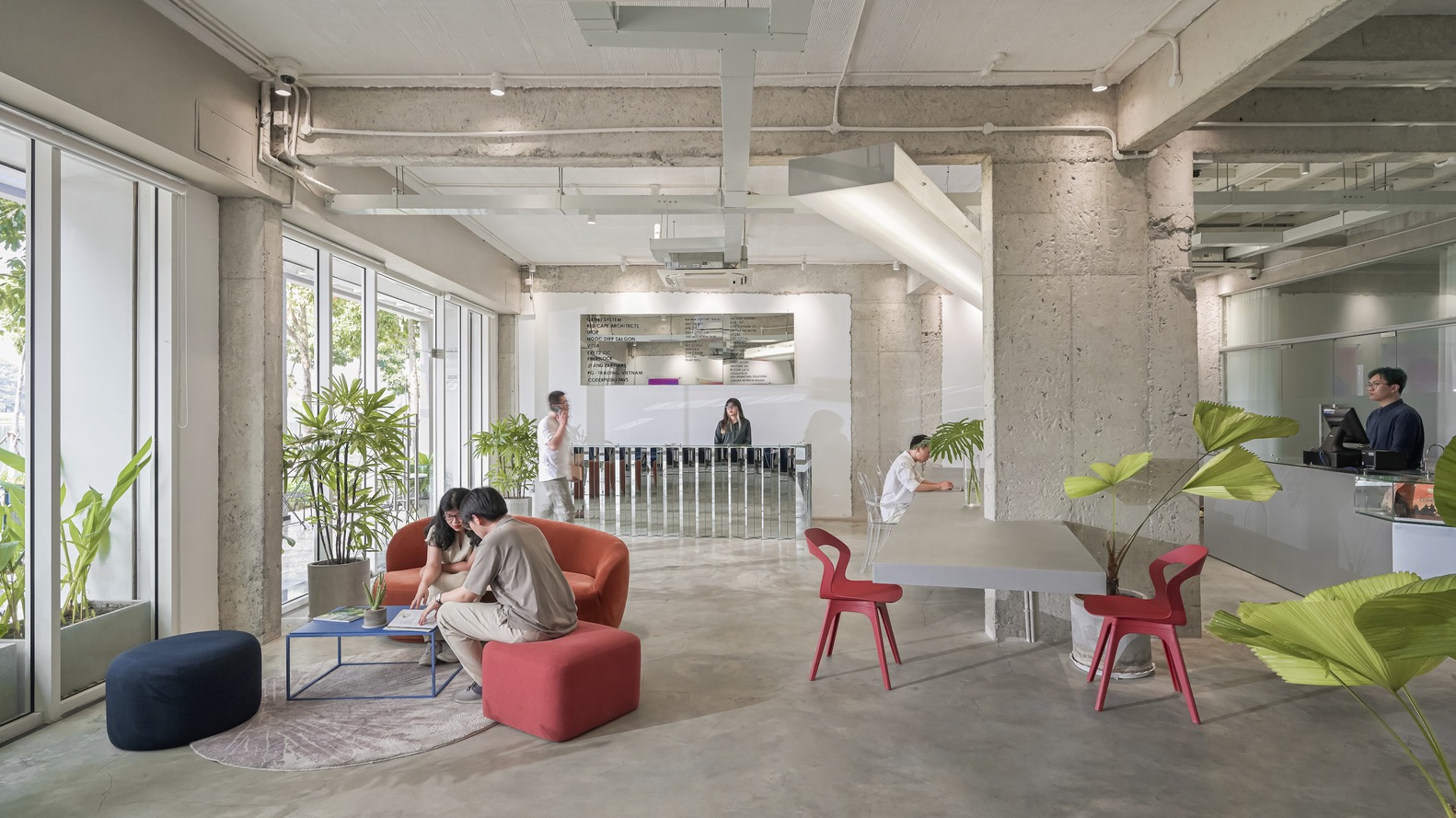
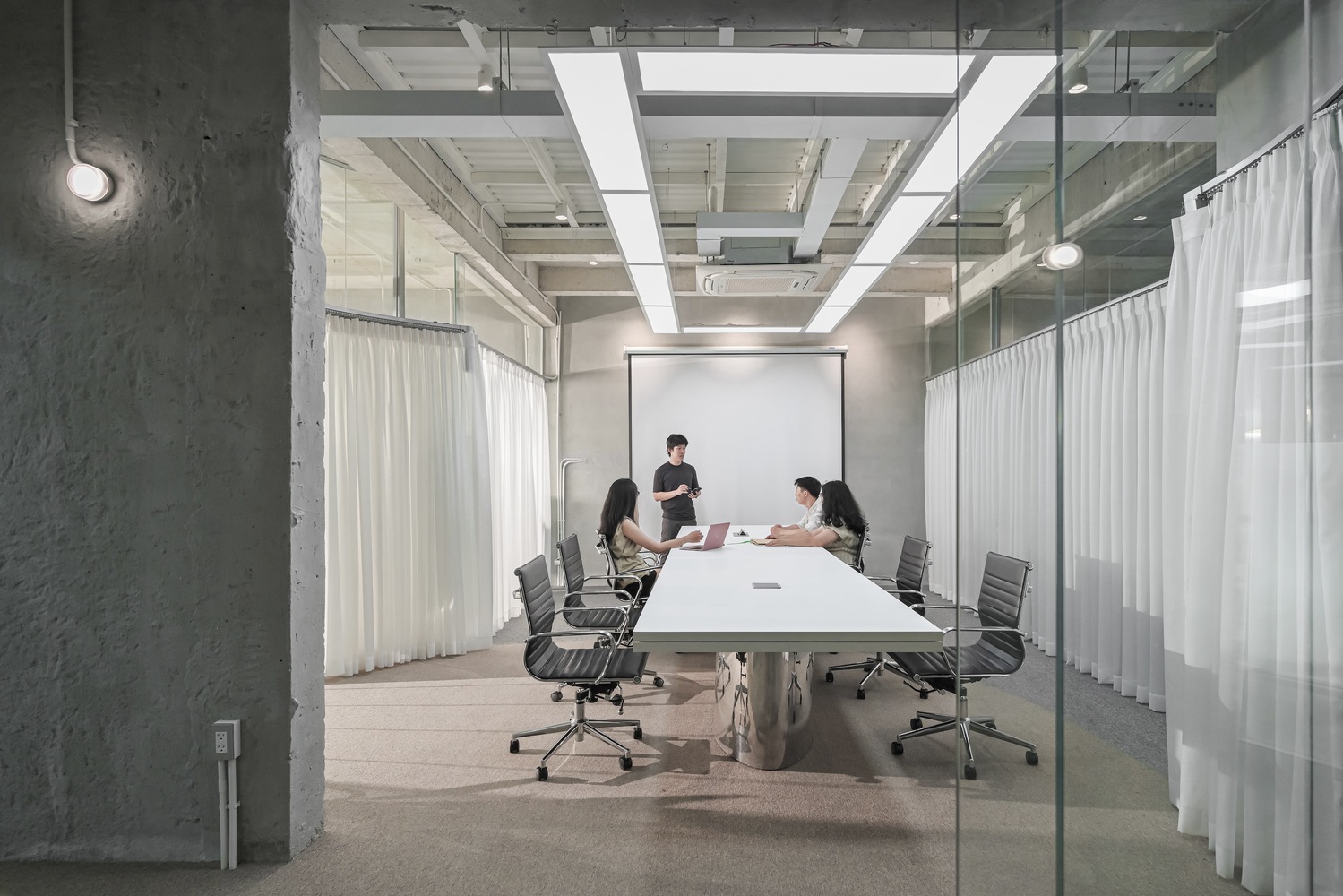
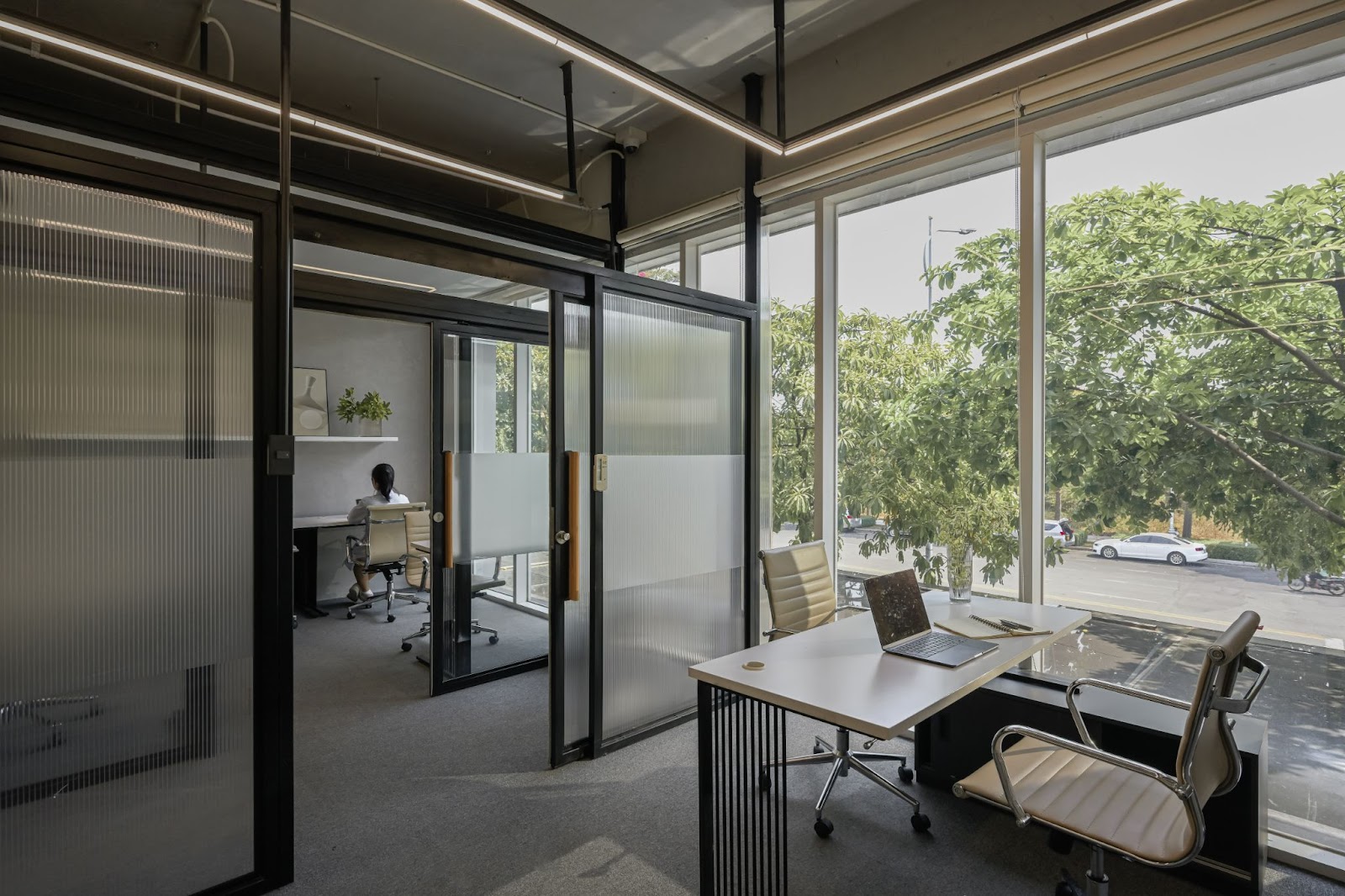
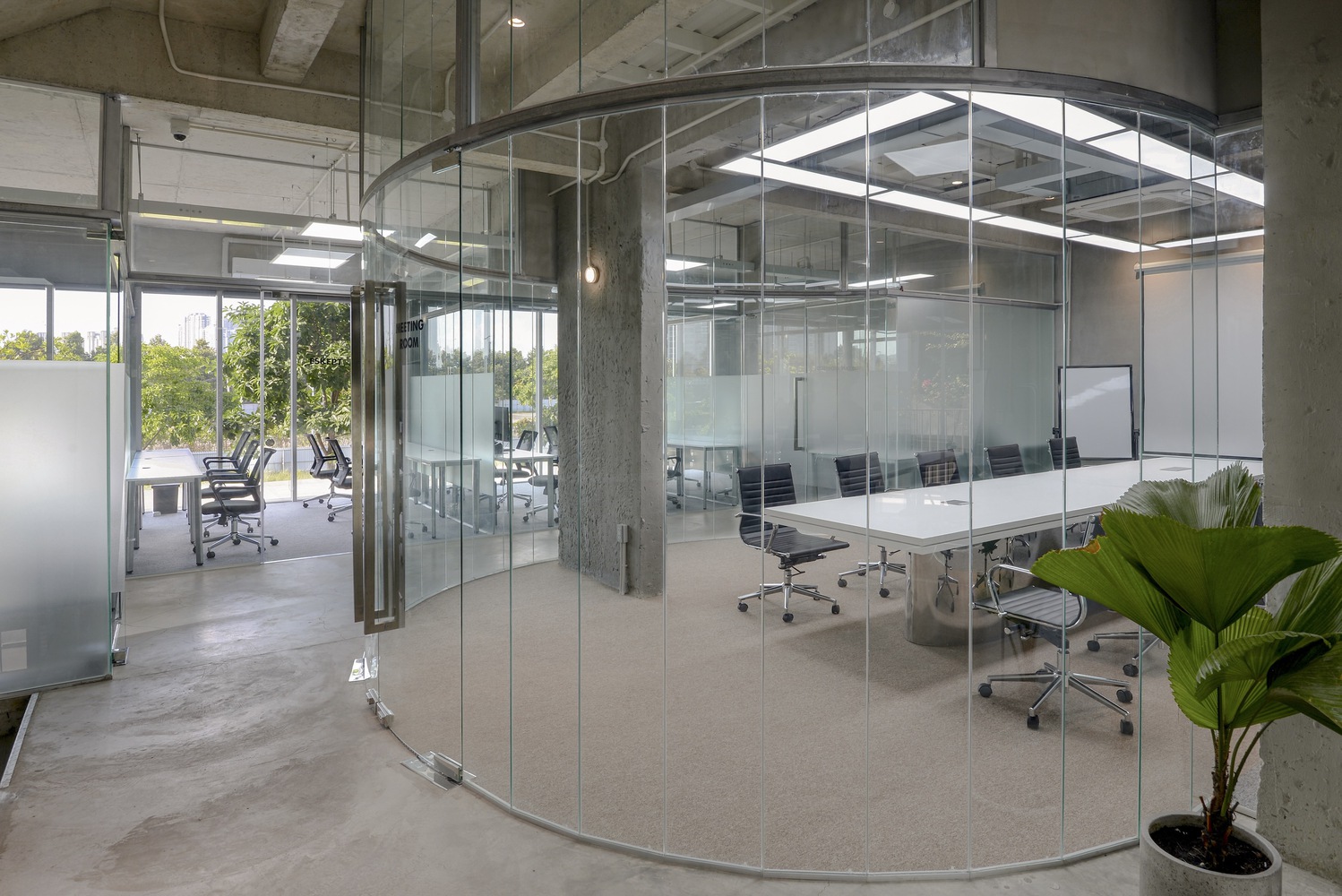
A comfortable workspace with suitable desks and chairs, enough natural light, and limited surrounding noise plays an important role in maintaining focus throughout the workday. For people who have difficulty creating a private space at home because of distractions from family members or limited space, choosing a coworking space is a suitable alternative that provides a professional environment similar to a traditional office. For teams that alternate between remote and in-office work, an agile workspace can provide shared, quiet, and meeting areas in one professional environment.
Maintain punctual work habits
Creating a clear daily work plan and maintaining regular daily habits can help employees avoid procrastination when working from home. Making a specific task list and giving regular progress reports to managers not only motivates employees to complete tasks on time but also builds trust between employees and the organization when direct supervision is limited.
Stay connected with colleagues
Social isolation is one of the biggest challenges of long term remote work, so active communication with colleagues through online communication platforms becomes more necessary than ever. Maintaining a stable internet connection and joining all team meetings help work run smoothly and reduce the feeling of loneliness that often affects employees who work alone for a long time.

Frequently asked questions about remote work – work from home
What is Work At Home?
Work At Home is also a form of working at home, with a fixed workspace at the employee’s residence. People who use Work At Home often set up a separate work area and keep the habit of working in the same place every day instead of changing locations freely.
What is the difference between Work From Home and Work At Home?
Work From Home allows employees to work from any location with an internet connection, such as a coffee shop, a coworking space, or while travelling. In contrast, Work At Home limits the work location to the employee’s own home. Businesses that use Work From Home also often invest more in technology and software that support remote communication to manage a workforce spread across different locations.
Which tools and software support remote work?
Common communication and online meeting tools include Zoom, Microsoft Teams, and Google Meet, which allow teams to communicate directly from any location. For project and task management, Trello, Asana, and Notion are platforms that many businesses choose because they allow clear progress tracking. For document storage and sharing, Dropbox, Slack, and Google Workspace play an important role in keeping information synchronized among team members. In addition, productivity tracking tools such as Toggl Track and RescueTime help individuals monitor the time spent on each specific task.
What are popular Work From Home jobs today?
Information technology roles such as software developers, user interface designers, and software testers are among the jobs most suitable for remote work because the work is mainly completed on computers and does not require physical presence. In addition, digital marketing, content writing, graphic design, translation, and online customer service roles also have a high rate of WFH use because teams can work together fully through online platforms without affecting output quality.

In conclusion, WFH has proven that it is not only a temporary solution during a crisis but also a sustainable work trend that brings practical benefits to both businesses and employees when it is implemented correctly. If your business is using a hybrid work model and needs a professional private office for rent in Ho Chi Minh City for team meetings, training, or direct interaction among members, contact Inspire Hub for advice on flexible office solutions.