

 Tiếng Việt
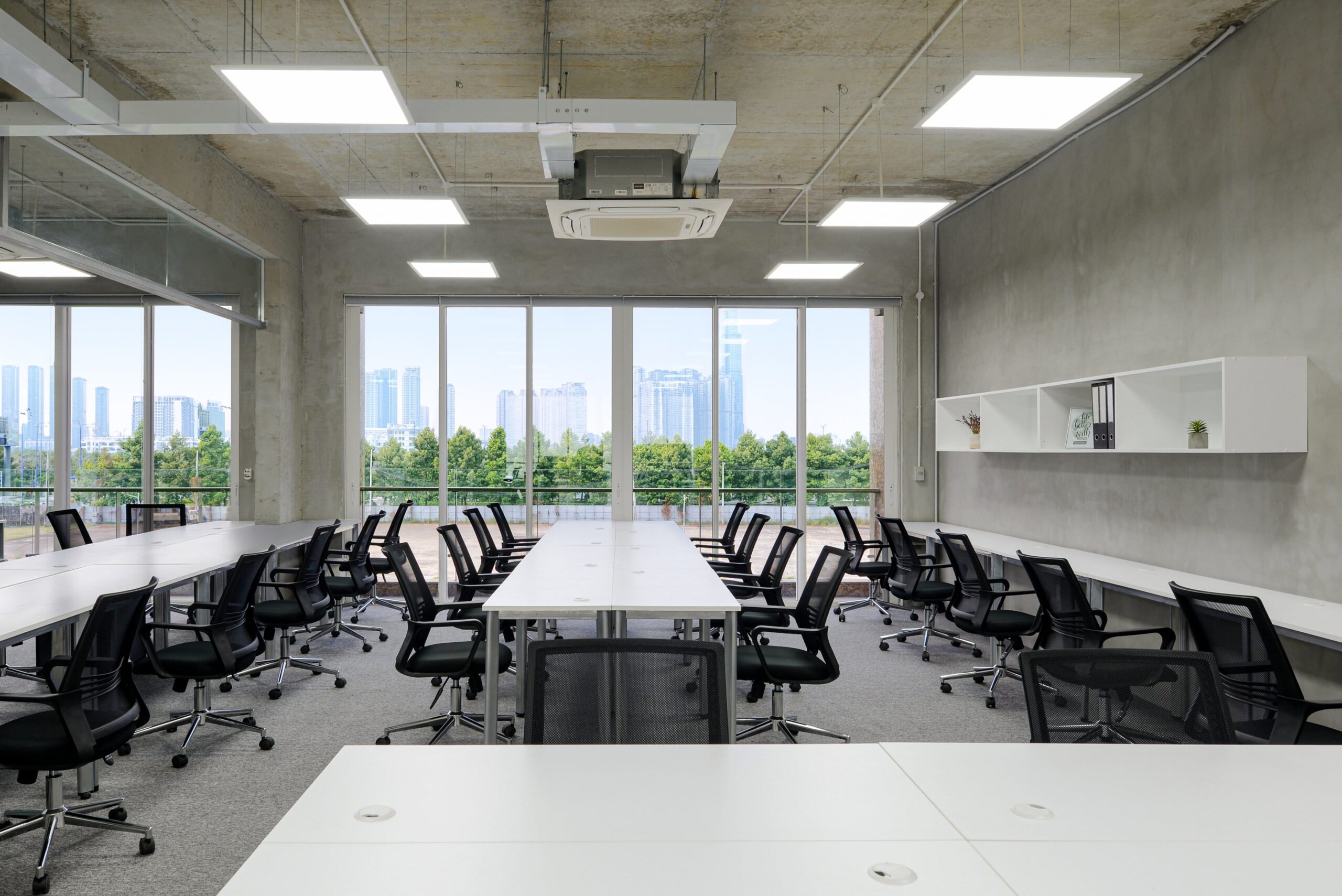
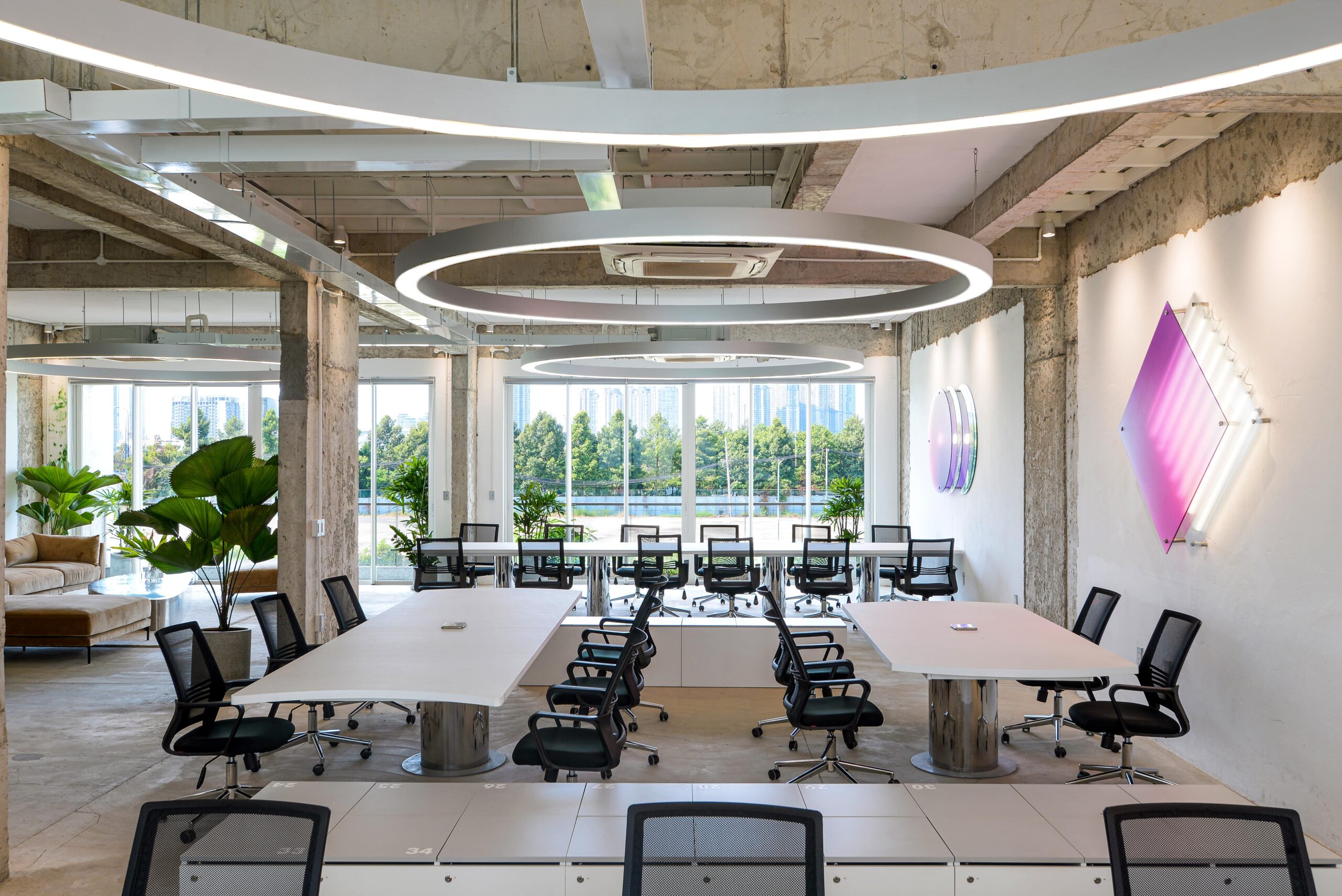
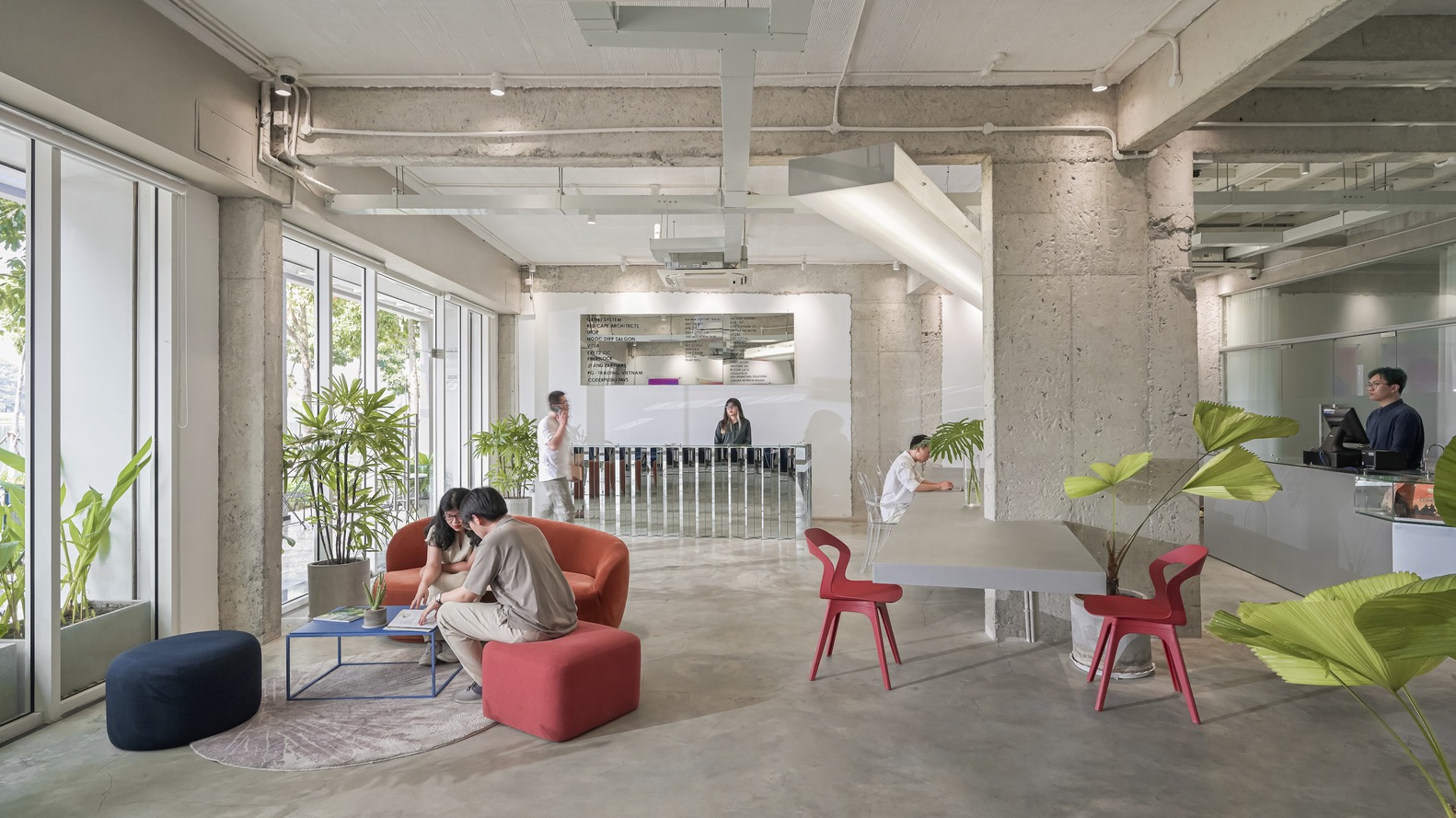
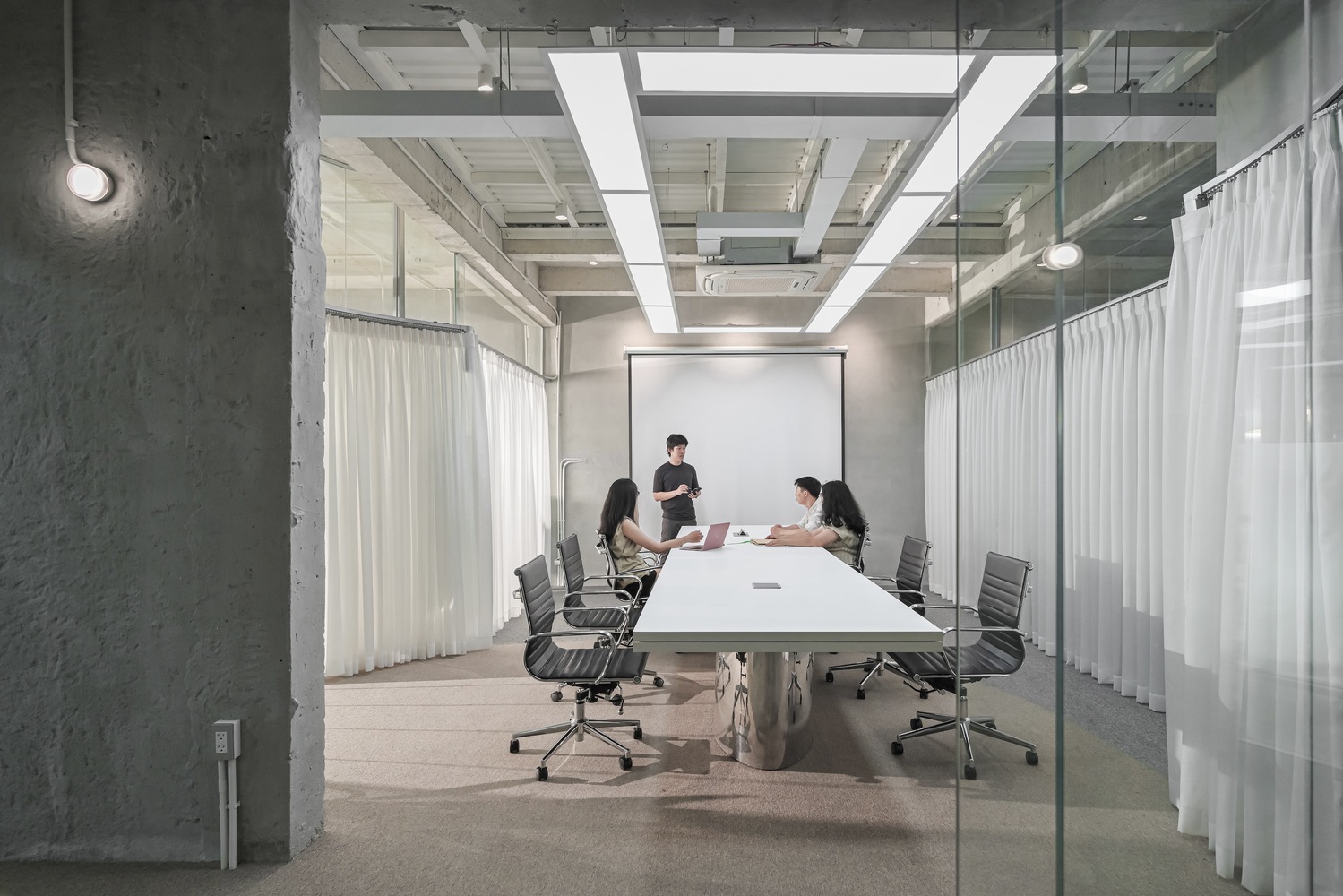
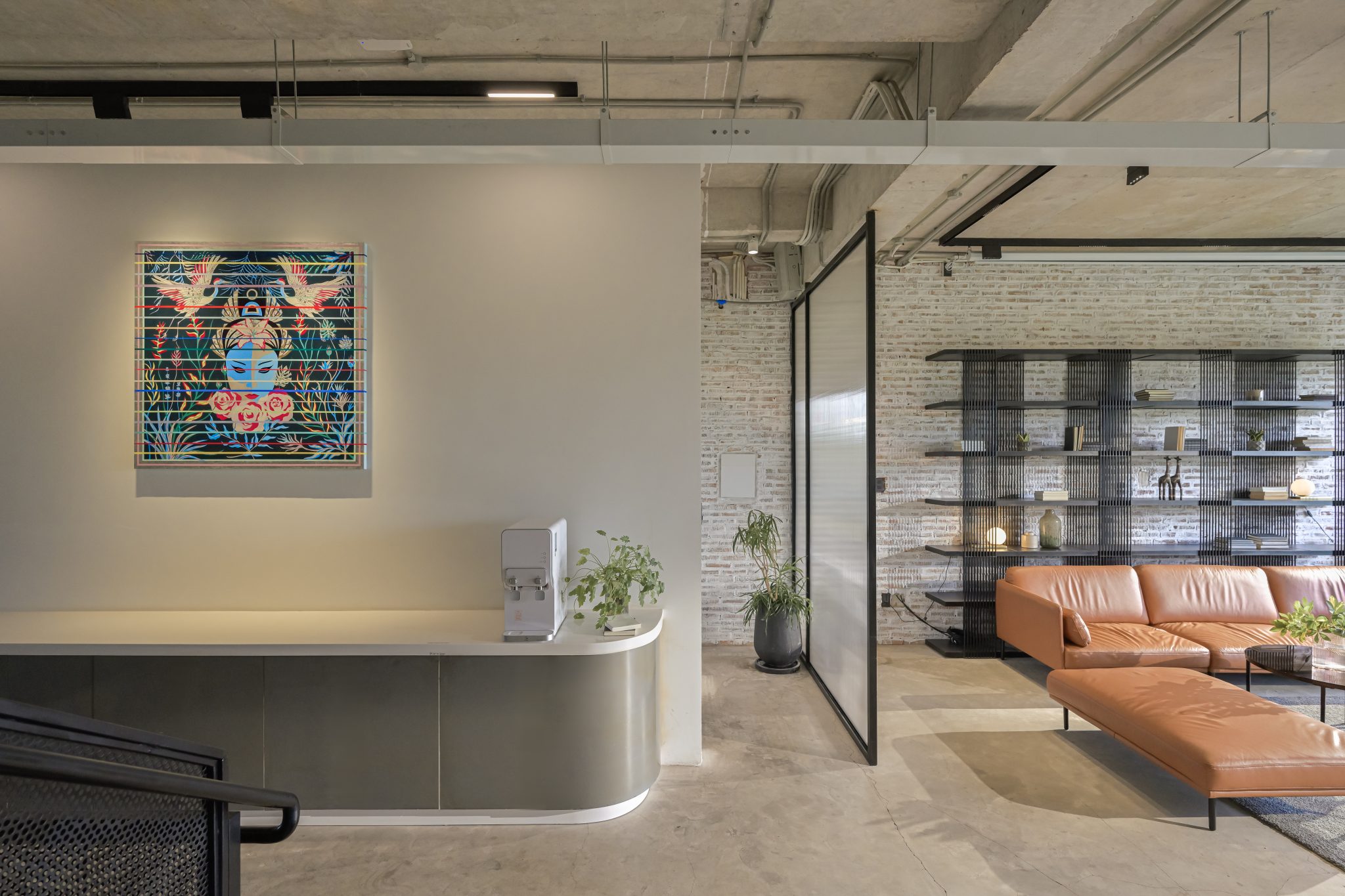
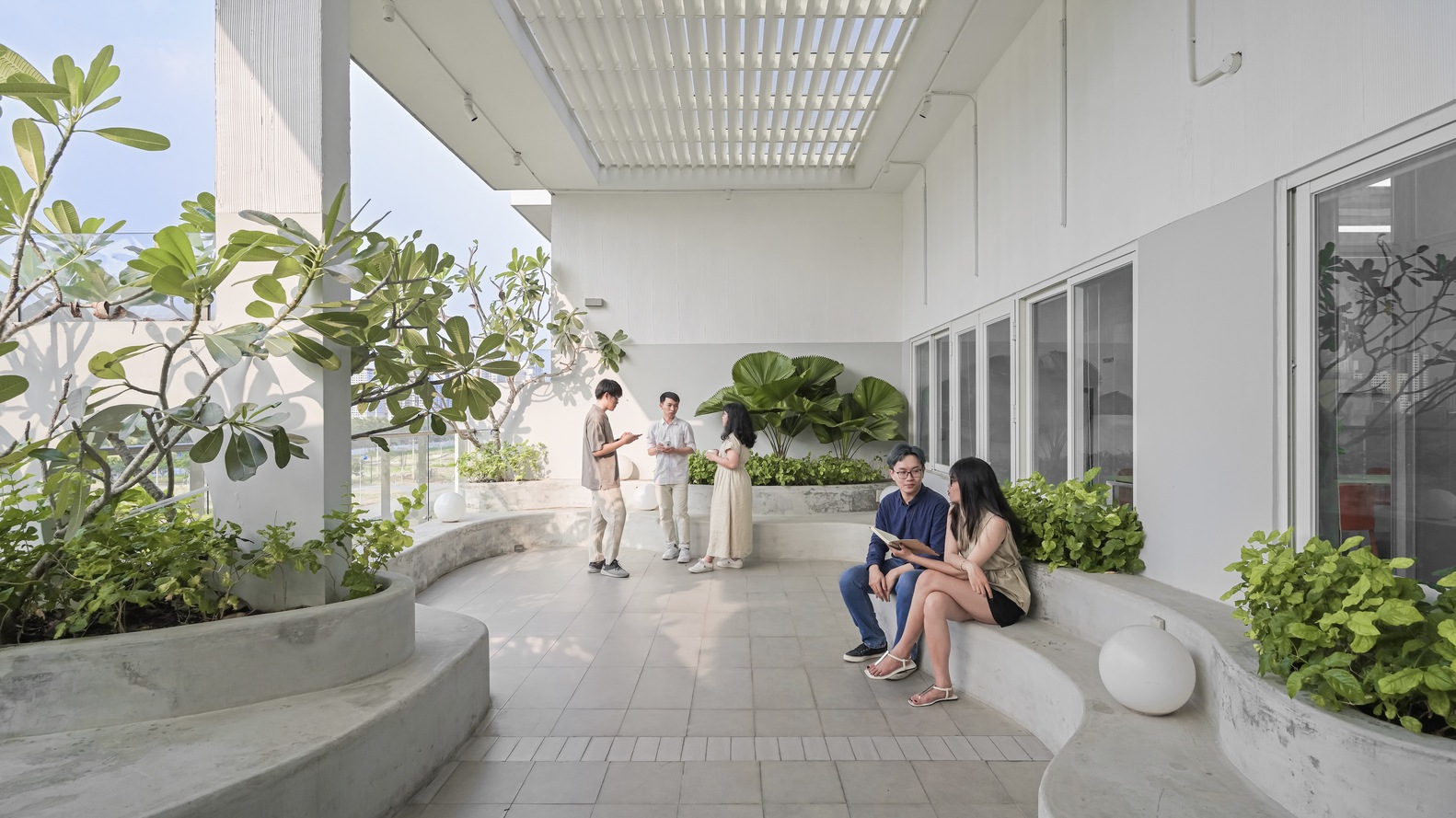
An agile workspace is gradually replacing the traditional office model by putting people at the center of office design instead of using fixed desk arrangements. In this article, Inspire Hub explains what is an agile workspace, the types of spaces included in this model, its practical benefits for businesses, and common questions about Agile project management.
What is an agile workspace?
An agile workspace, also known as a flexible workspace, is an office model designed based on flexible and independent working principles. Employees are encouraged to move freely between different functional areas in the office and choose a space that suits the nature of their work at each time of the day.
This model comes from the Agile working philosophy in project management, where work efficiency is valued more than fixed locations or rigid processes. In other words, an agile workspace is not simply a new office layout but also reflects a shift in organizational culture, where businesses give employees more autonomy to decide where and how they work to achieve the best performance.
Types of workspaces in an agile workspace
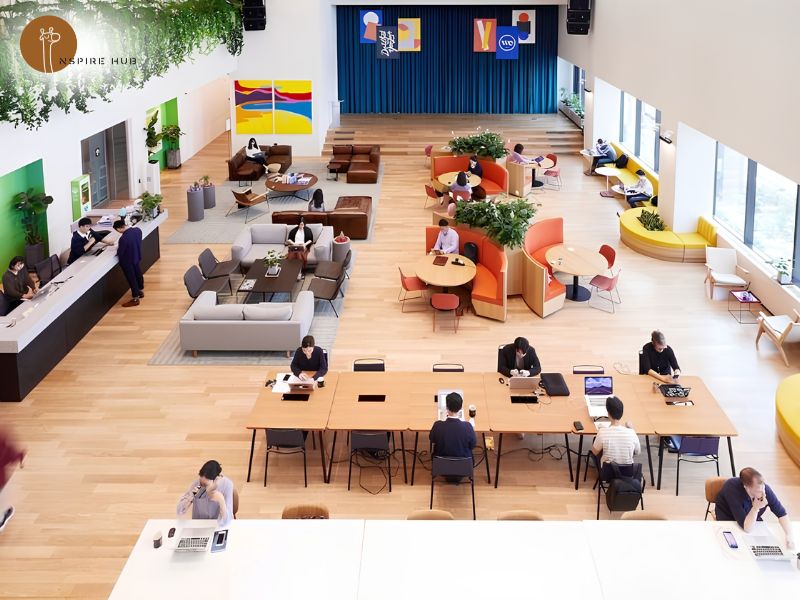
An effective agile workspace is usually divided into different functional areas to meet a wide range of work needs during the same working day. Below are four common types of spaces in this model:
Shared work areas
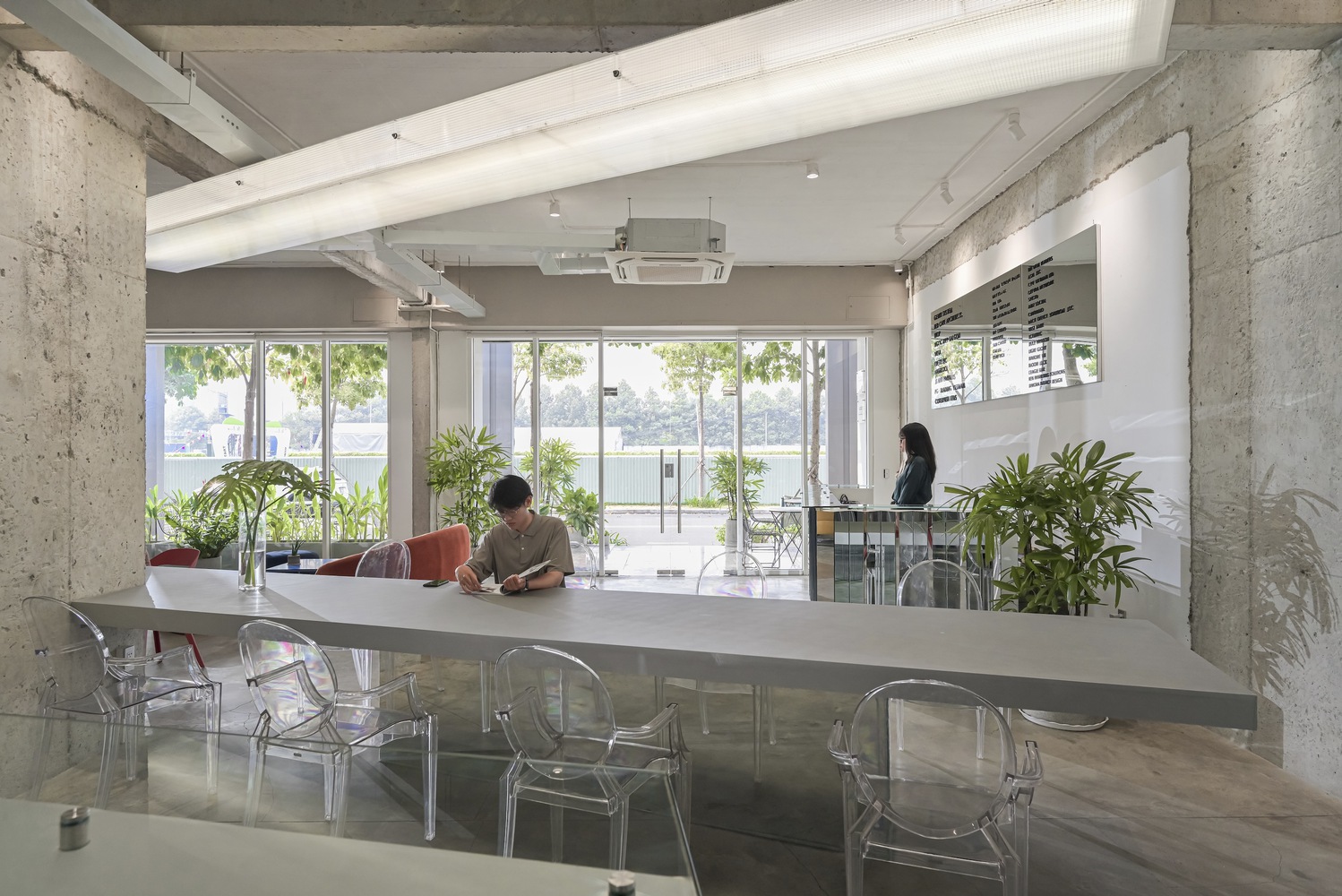
Open work areas are often placed in the central location of the office and can support hot desking for employees who do not need a permanently assigned seat. These areas are ideal for creative project teams or departments that need regular interaction, information sharing, and real time coordination. For a broader explanation of how multiple users share a professional work environment, see our guide to shared office space.
Quiet work areas
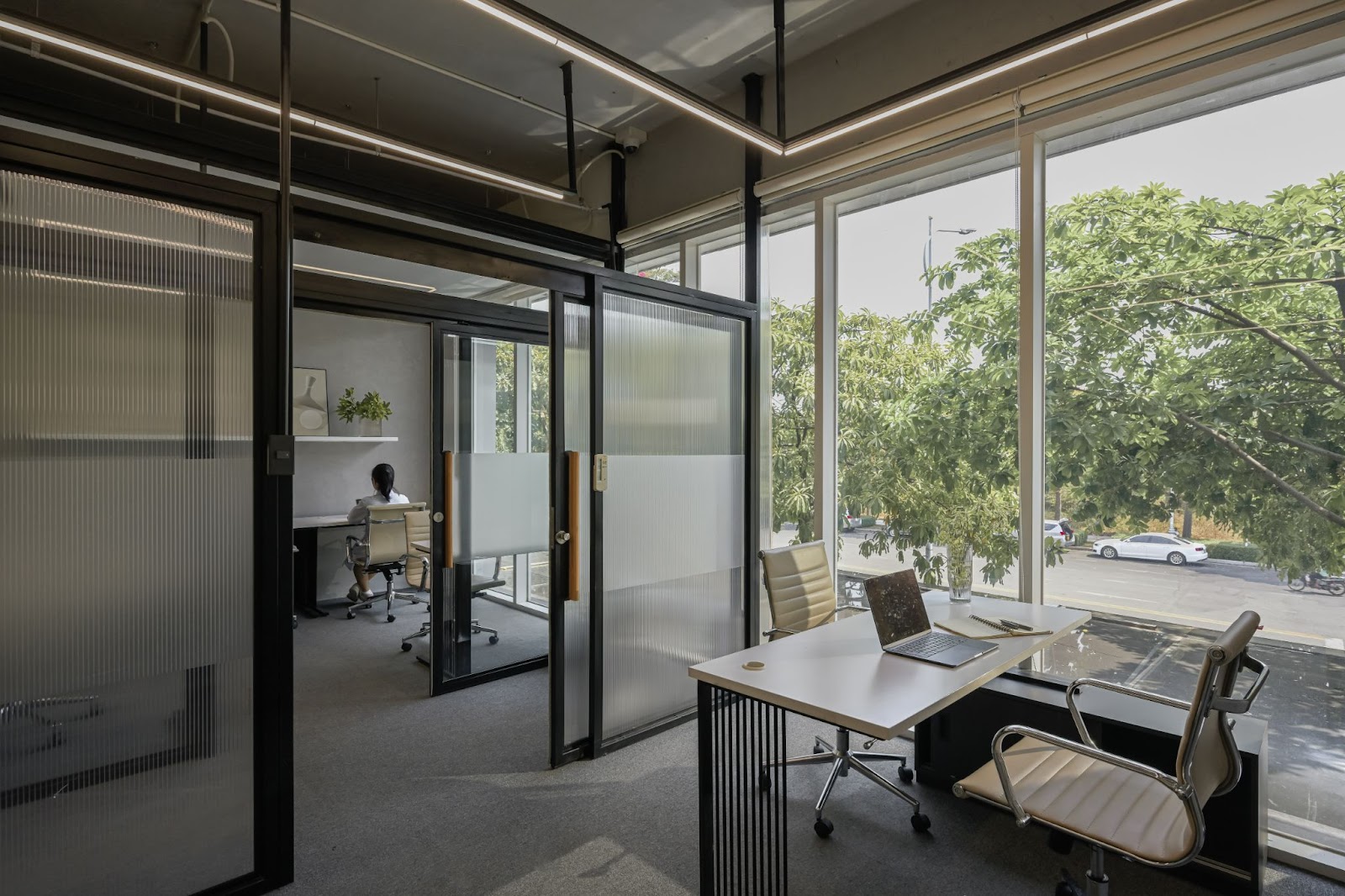
Unlike shared areas, quiet work areas are designed for individual focus. These areas often include soundproof phone booths or private work corners that reduce noise and distractions from the surrounding environment. Employees can step away from the active office atmosphere when they need to complete tasks that require a high level of concentration.Businesses that need a fully enclosed workspace can also compare this model with a private office.
Break areas
Break areas, including an office pantry, are highly flexible spaces that support eating, relaxing, and conversations between colleagues. In addition to providing a place to rest, these areas are often used for short meetings or informal discussions with clients, creating a multi-purpose space instead of only a place for breaks during working hours.
Office supply areas
Office supply areas contain essential equipment such as printers, scanners, and other office items that employees need during the working day. These areas are located where all departments can easily access documents or equipment when needed. Together, these facilities are part of the office amenities that support employees’ day-to-day work.
Benefits of Agile Workspace solutions
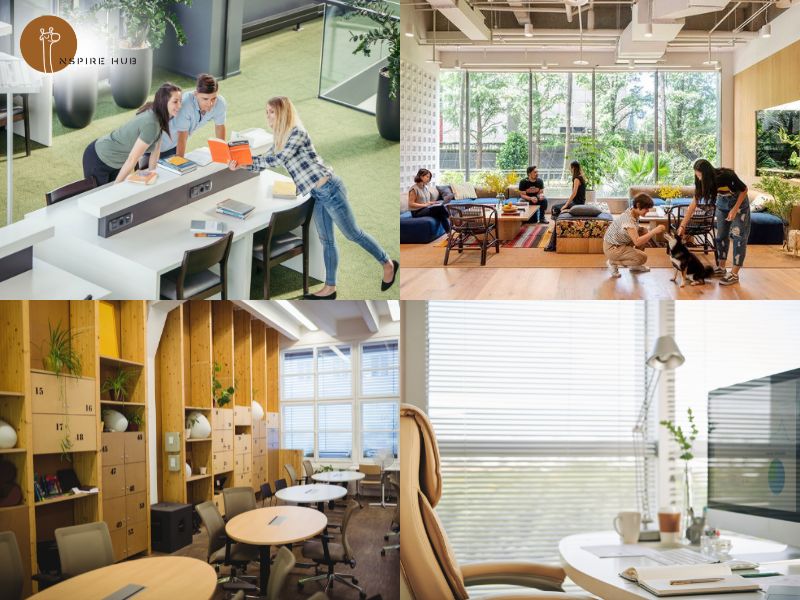
Moving to an agile workspace can create positive impacts at many levels. Below are the specific benefits of this model:
- Improved collaboration: The freedom to move between different areas encourages teamwork and makes it easier to share ideas across departments.
- Talent attraction and retention: Around 90% of Millennials believe that flexibility in choosing where and when to work is more important than salary, making this model a strong competitive factor in recruitment.
- Optimized office space: This model is especially suitable for organizations that use a hybrid work model because not all employees need to be in the office at the same time.
- Higher employee satisfaction: Employees have the freedom to decide their work schedule and workspace, which helps them trust their time management ability and feel more connected to the organization.
- Increased overall productivity: This model balances the need for interaction and privacy, allowing each employee to choose the environment that best suits the nature of their work at different times.
Which businesses can use an agile workspace?
Below are the types of organizations that are most suitable for this model, as well as the key conditions for successful implementation:
- Businesses with high levels of interaction: This model is most suitable for businesses in technology, creative services, consulting, and financial services.
- Businesses that are growing or restructuring: The ability to adjust office space flexibly helps these businesses respond more easily to changes in team size.
- Businesses that use hybrid or remote work models: This model helps optimize actual office space use at different stages and avoids unnecessary costs for maintaining fixed office space.
- Businesses with suitable culture and employee capabilities: Employees need strong self management skills, while the business must build an open work culture and a clear implementation strategy to avoid distractions or reduced focus.
Note: This model is not suitable for businesses that require employees to remain at a fixed location throughout working hours.

FAQ – Frequently asked questions about agile workspace
What is the difference between agile and scrum?
Agile is a mindset and a set of project management principles that emphasize adaptability, collaboration, and continuous value delivery to customers. Scrum, on the other hand, is a specific framework that applies these values through defined roles, events, and work cycles called sprints (Atlassian, 2026). In other words, Agile serves as the core philosophy, while Scrum is one of several methods for applying that philosophy, together with other frameworks such as Kanban and Extreme Programming.
What is a workspace application?
A workspace application is one of the technologies used in a smart office. It helps businesses manage and use office space by tracking desk usage, booking meeting rooms online, and optimizing office space in real time. In an agile workspace, these applications act as a bridge that helps employees find and reserve a suitable work area more easily, while also providing data that helps management adjust the office layout based on actual needs.
What are the 12 agile principles?
The twelve core principles behind the Agile Manifesto include:
- Customer satisfaction: Deliver value to users early and continuously.
- Welcome change: Be ready to adjust requirements, even during the later stages of a project.
- Frequent delivery: Deliver working products in short cycles.
- Close collaboration: Ensure daily cooperation between stakeholders and delivery teams.
- Build projects around motivated individuals: Provide support and a suitable work environment so they can perform well.
- Prioritize direct communication: Face to face communication is the most effective way to share information.
- Measure progress through working products: A working product is the main measure of progress.
- Maintain a sustainable development pace: Stakeholders and development teams should be able to maintain a steady work pace over the long term.
- Focus on technical excellence: Continuously improve technical quality and good design to increase flexibility.
- Maximize simplicity: Reduce unnecessary work as much as possible.
- Empower self organizing teams: The best architectures, requirements, and designs come from self organizing teams.
- Improve regularly: Teams should review their work regularly to adjust and improve their performance.
Note: These principles were originally created for software development, but they are now applied in other fields, including agile workspace design and organization.
What is agile working?
Agile working is a project management approach based on iteration and gradual progress. It divides work into short stages instead of creating a detailed plan for the entire project from the beginning. This allows teams to adjust their direction continuously based on real feedback and respond quickly to changing business conditions.
Overall, an Agile workspace is not only a temporary office design trend but also reflects a major change in how businesses organize work, where performance and employee experience are prioritized over fixed work locations. If your business is looking for a workspace designed around flexibility, multiple functions, and the ability to adapt to team growth, explore our private office for rent in Ho Chi Minh City or contact Inspire Hub for advice on a suitable office solution.