
 Tiếng Việt
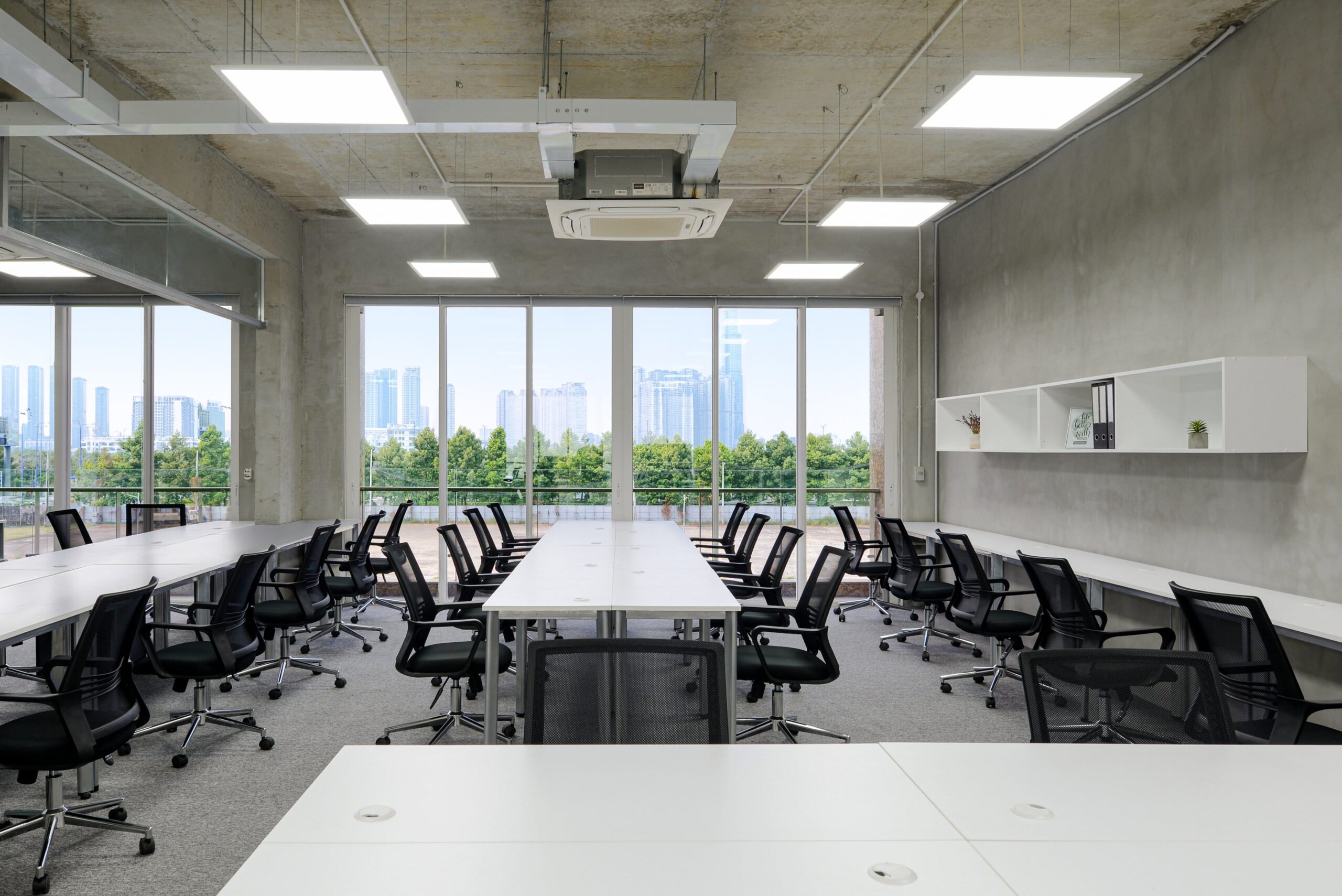
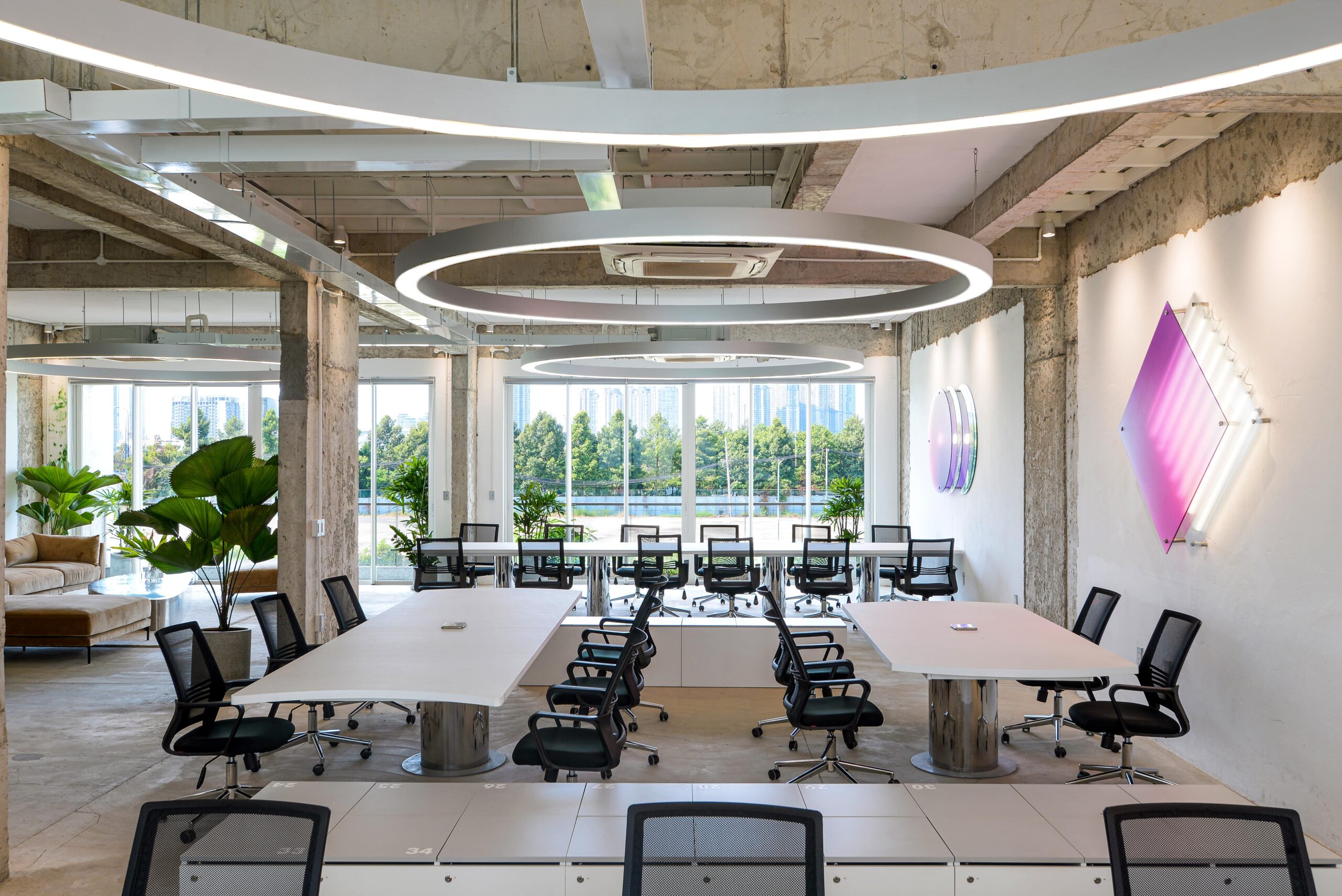
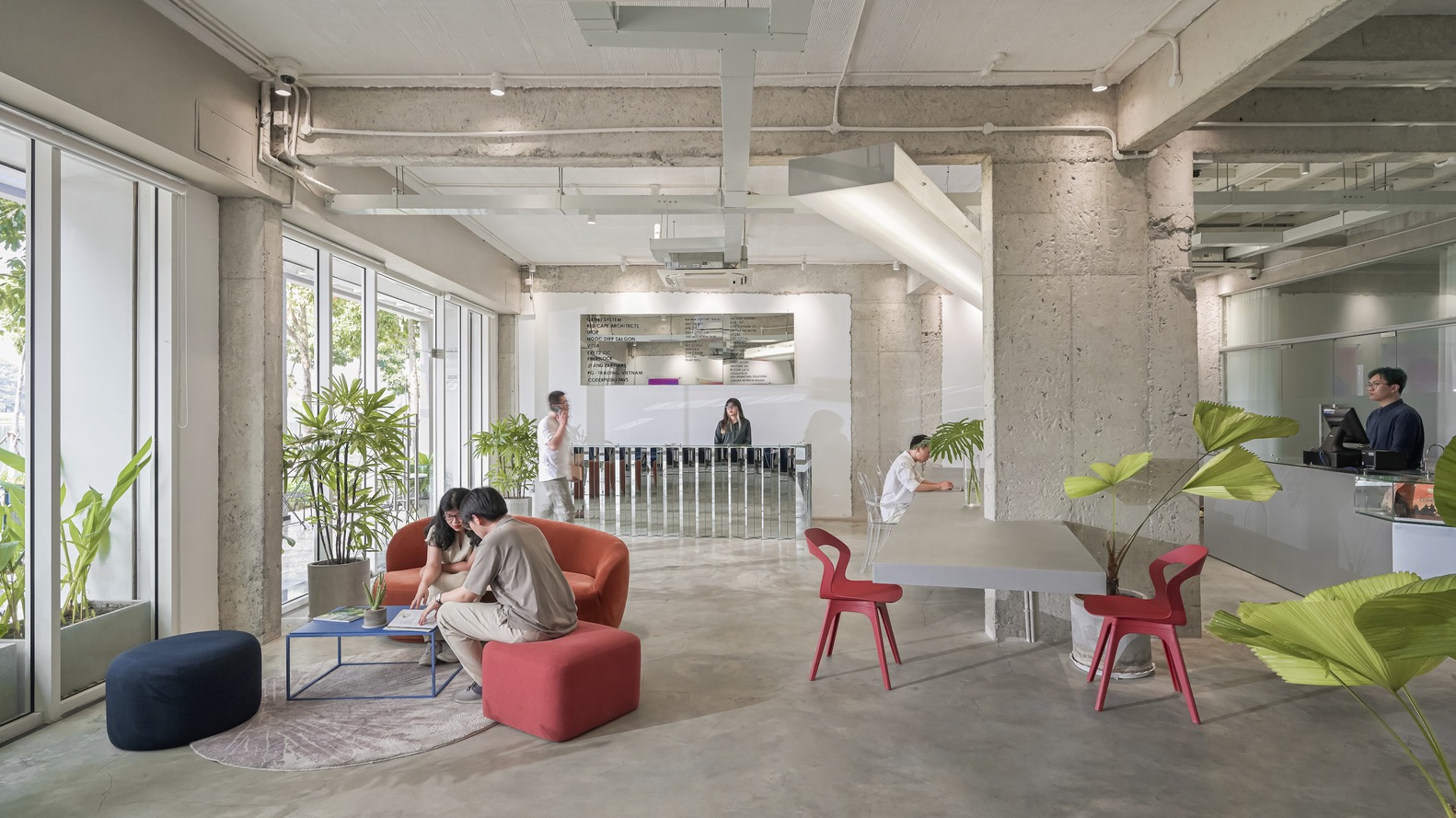
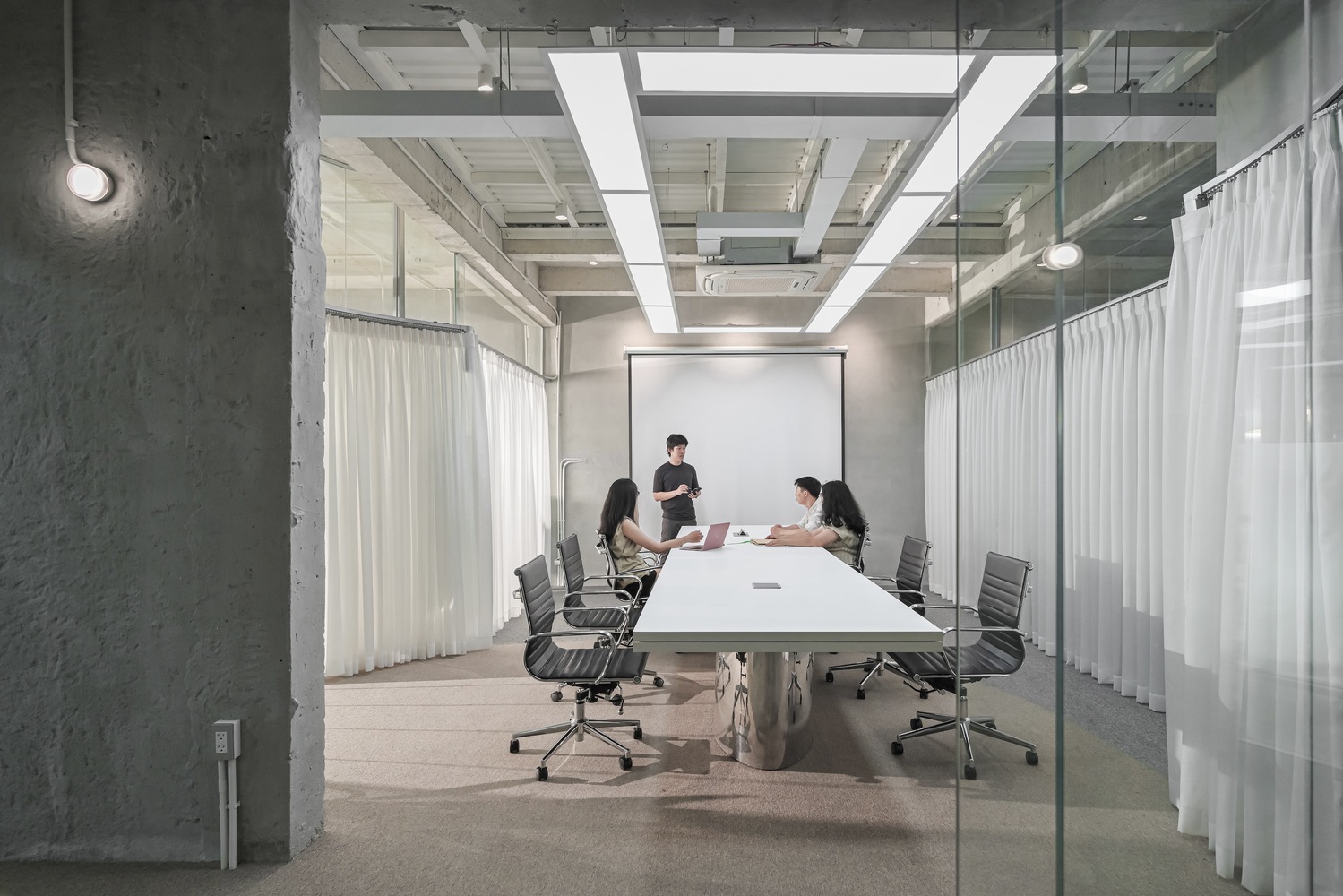
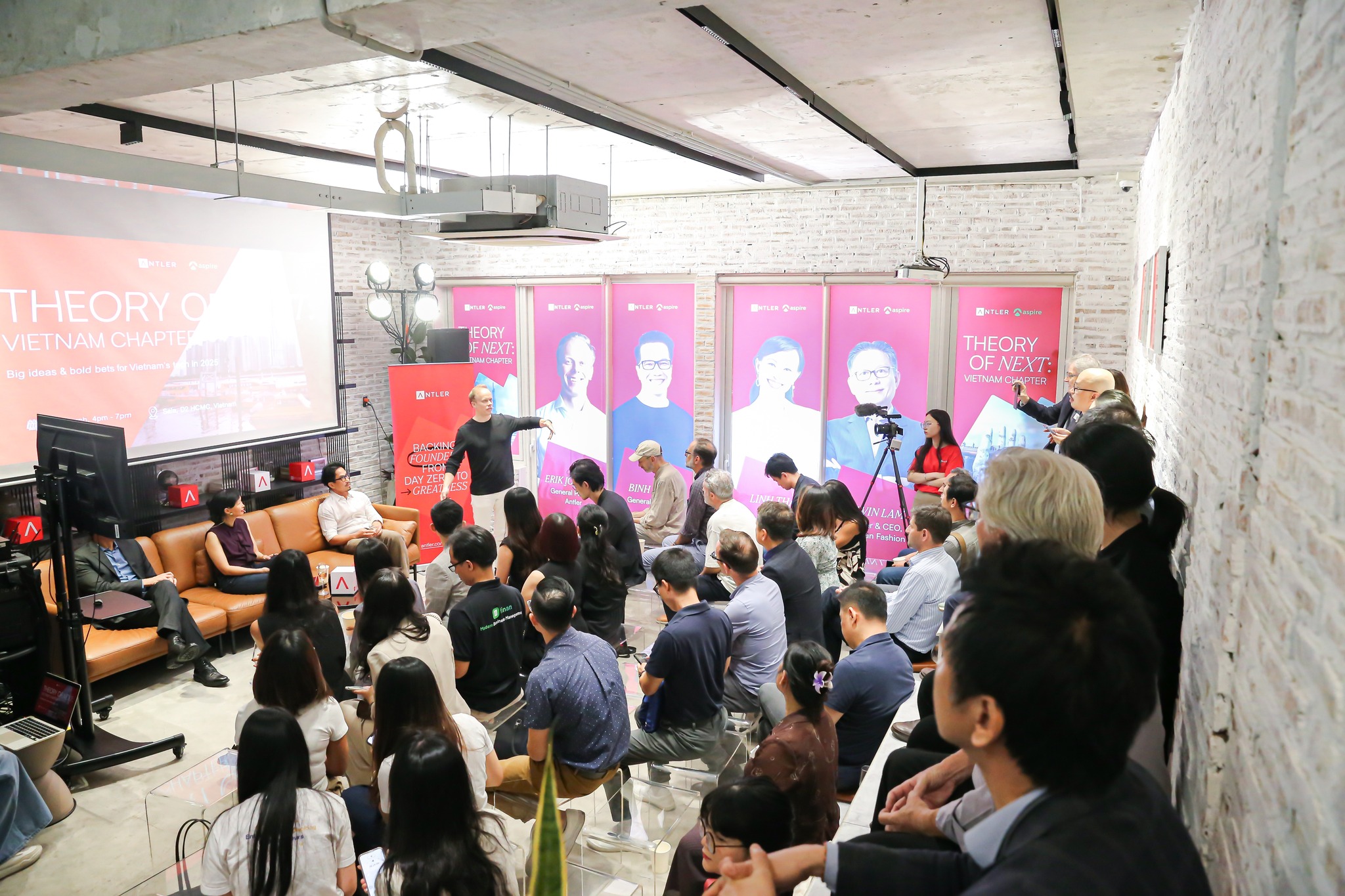
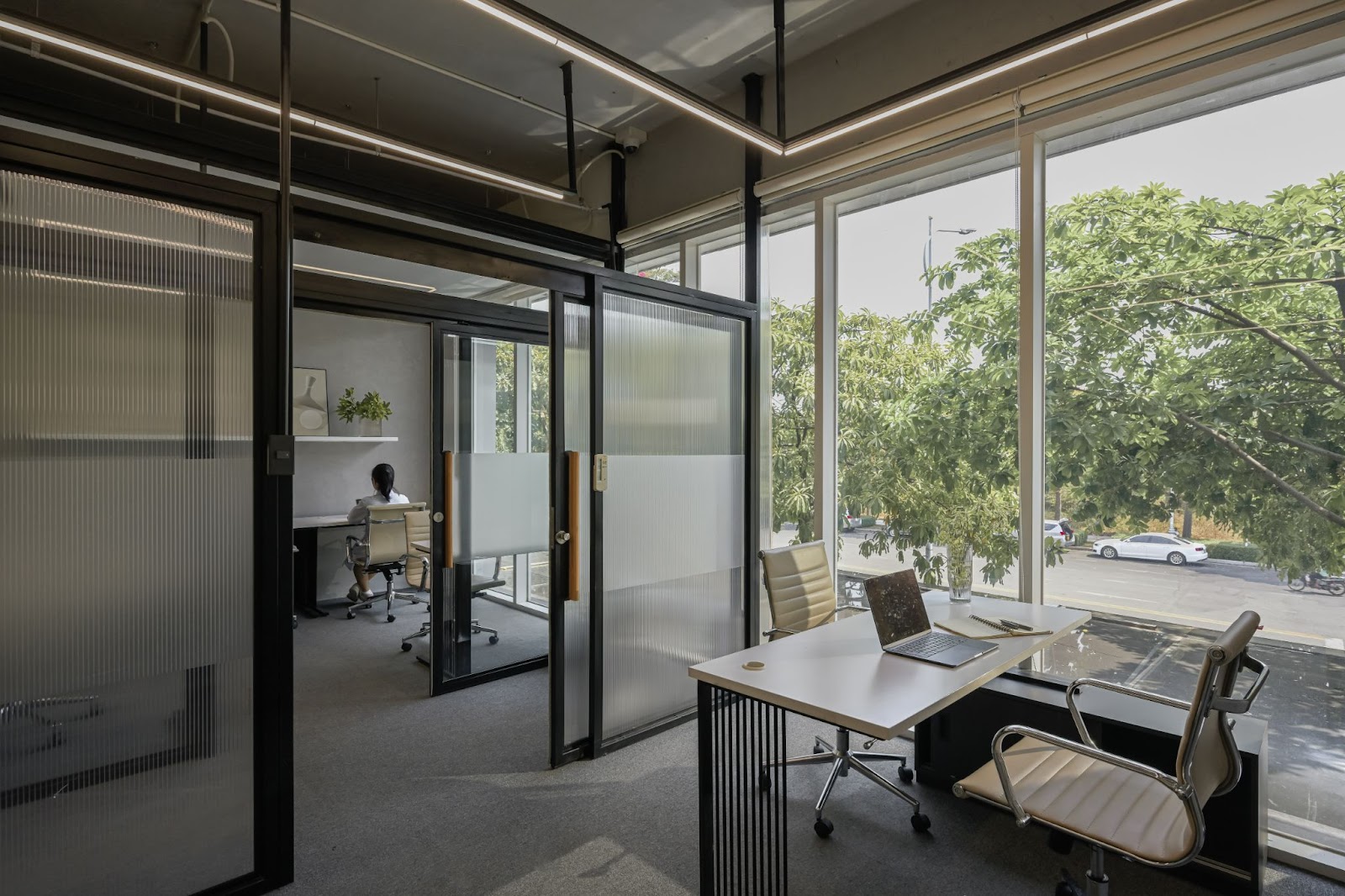
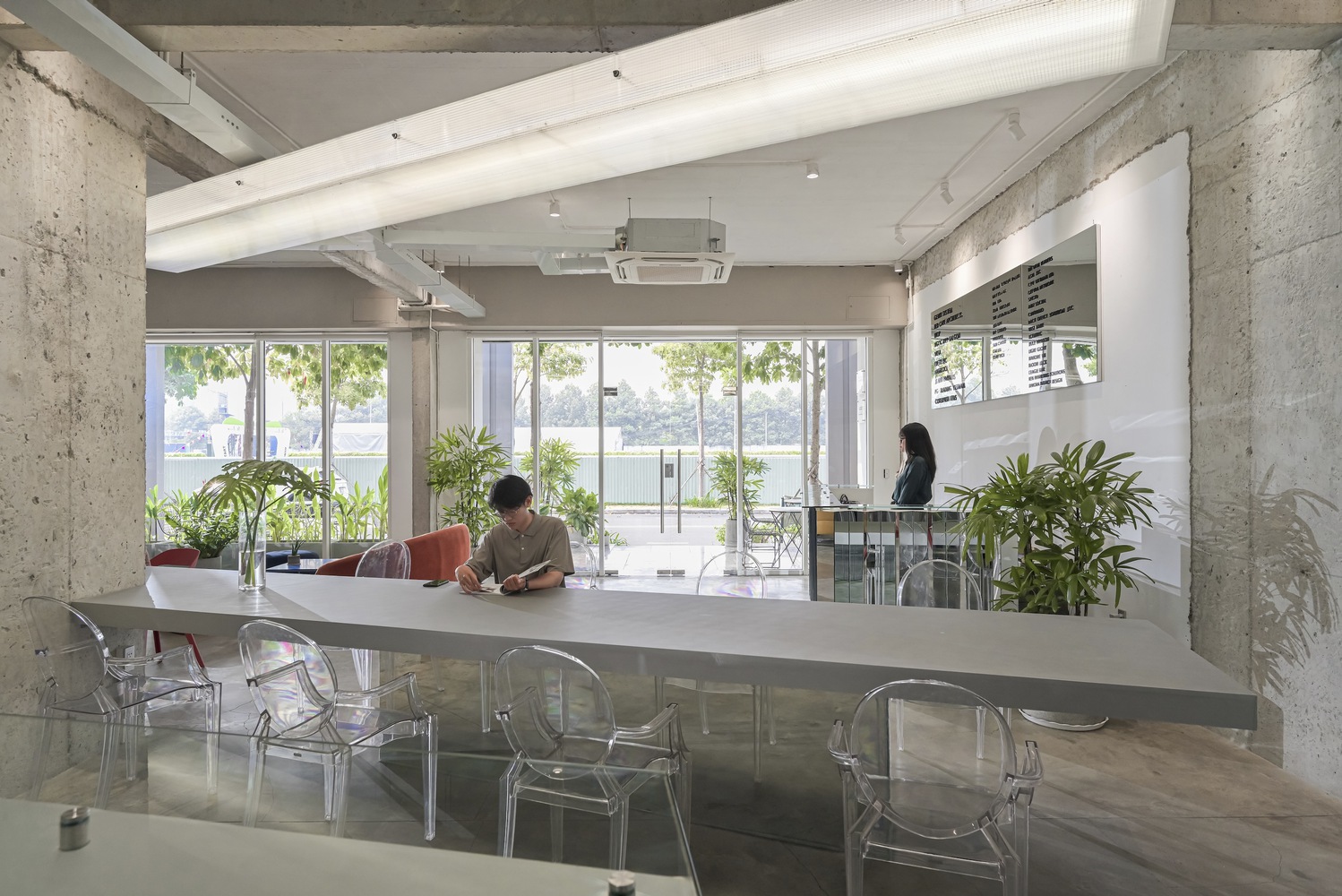
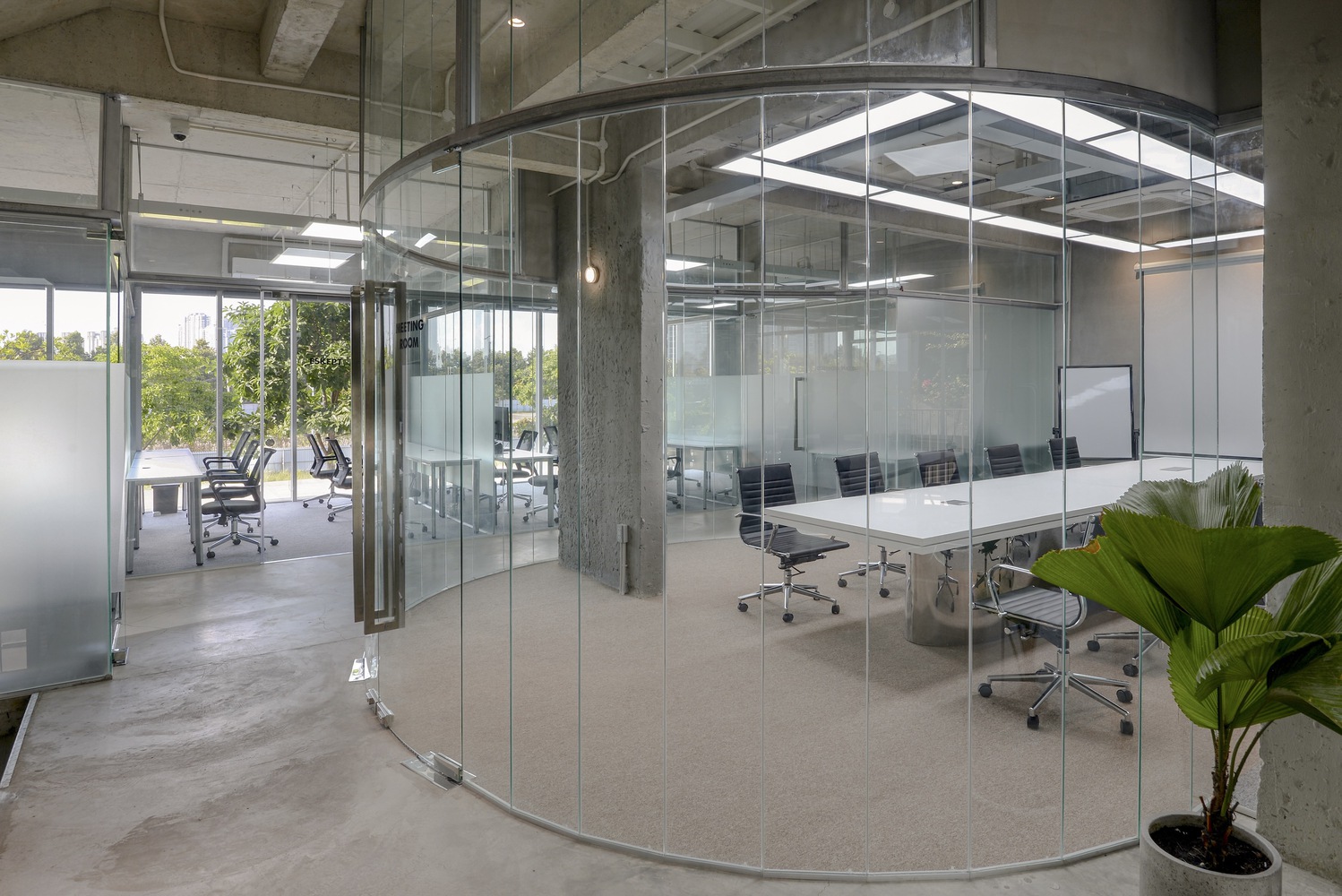
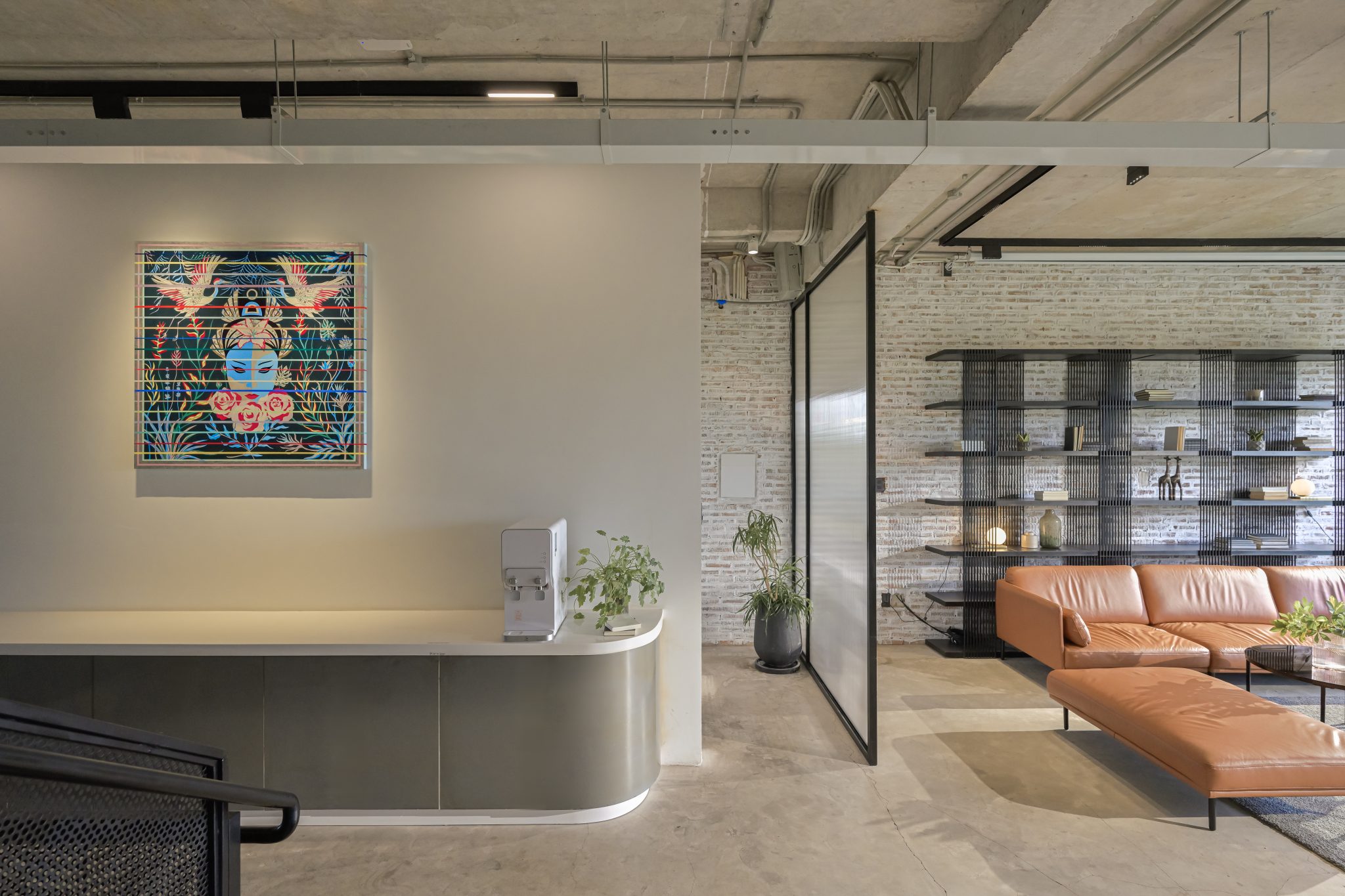
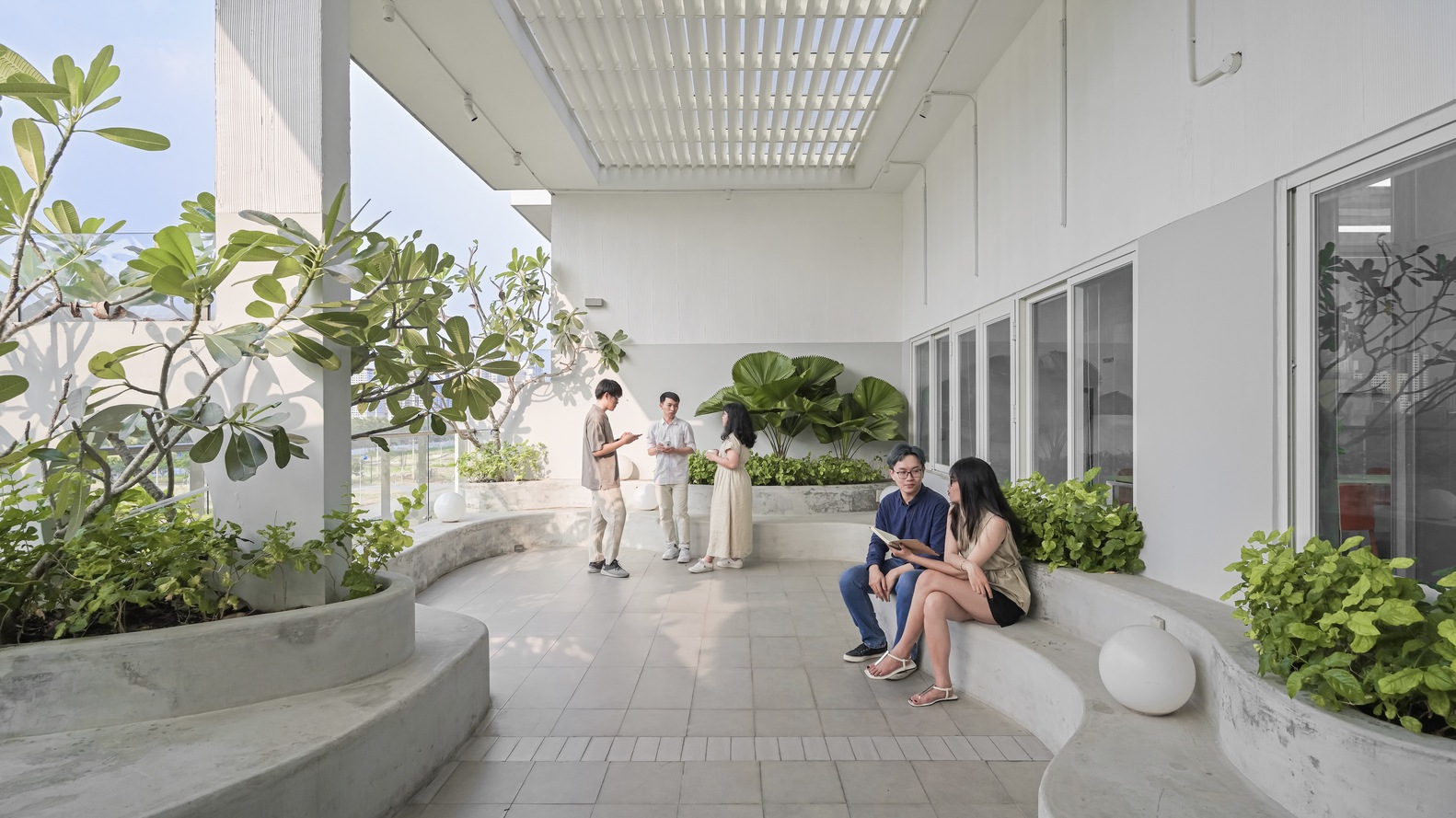
When selecting a workspace solution, many businesses face a common question: should they rent a traditional office or switch to more flexible models such as a coworking space or a standard serviced office? To answer this question with confidence, it’s important to first understand what is a traditional office, its advantages and disadvantages compared to modern alternatives, and what criteria to consider before making a decision.
What is a traditional office?
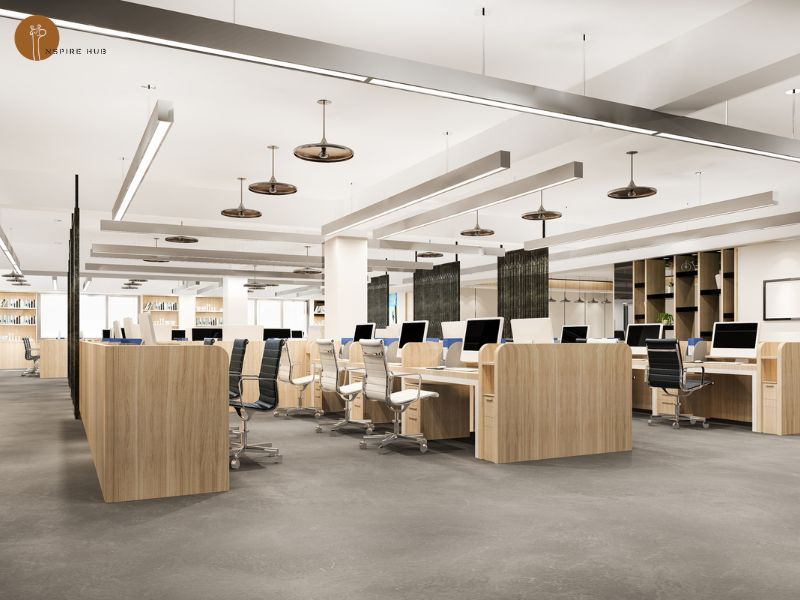
A traditional office is a workspace model where a business leases a bare shell or basic-fit-out floor space and takes full responsibility for interior design, construction, technical infrastructure installation (electricity, plumbing, internet, air conditioning), and day-to-day office operations according to its own requirements.
This office model has existed and dominated the market for decades — from multinational corporations to small and medium-sized enterprises. Unlike coworking spaces or serviced offices, a traditional office does not come with any operational management services from the space provider. Everything from cleaning and security to technical maintenance and internal welfare is handled entirely by the business itself.
In terms of contracts, traditional offices typically require a long-term commitment of 3 to 5 years or more. While this provides a degree of stability, it also creates a significant financial burden and limits flexibility in operations and business expansion.
Main features of a traditional office
To truly understand this model, it’s important to identify the defining features that set a traditional office apart from modern office types:
- Full control over the space: The business has complete authority to design, arrange, and customize the entire space to reflect its brand identity, internal culture, and workflows.
- High upfront investment: Before moving in, businesses must spend a significant amount on interior design, construction, IT infrastructure, air conditioning, and office equipment — ranging from hundreds of millions to billions of Vietnamese dong depending on scale.
- Separate operational costs: Beyond the base rent, businesses must also pay building management fees, electricity and water (metered separately), internet, cleaning, security, and monthly equipment maintenance.
- Long-term, binding contracts: Most traditional office leases require a commitment of 3–5 years, with penalty clauses for early termination.
- Fully self-managed operations: With no management team from the provider, businesses must handle all operational tasks themselves — from hiring administrative staff and managing cleaning to resolving technical issues.
- Long setup time: The process from signing the lease to the first day of work typically takes 1 to 3 months, covering interior construction, renovation permits, and infrastructure inspections.

Pros and cons of a traditional office
A traditional office comes with distinct advantages but also clear limitations. Evaluating both sides thoroughly is an essential step before committing to a workspace investment.
Advantages
- Full customization to reflect brand identity: This is the greatest and most irreplaceable advantage of a traditional office. Businesses can build a workspace that fully reflects their culture, values, and brand identity.
- Highest level of information security: Since the space is not shared with any other company, a traditional office offers absolute confidentiality for meetings, internal documents, and IT systems. This is especially critical for organizations in finance, legal, R&D, or sensitive data management.
- Suitable for large teams: For businesses with 50 or more employees that need to organize their workspace according to a complex departmental structure, a traditional office allows the most flexible and operationally aligned floor plan design.
- Long-term stability for company culture: A dedicated, consistent office space helps build and sustain a stronger company culture — particularly for organizations that prioritize internal identity and employee experience.
Disadvantages
- Very high upfront capital expenditure (CAPEX): Construction, furniture, and infrastructure costs often reach hundreds of millions to billions of dong, putting significant pressure on cash flow — especially for businesses in a growth phase or entering a new market.
- Inefficient use of space: Businesses pay for the entire leased area, including underutilized zones such as corridors, storage rooms, and empty meeting rooms, rather than only the space that actually generates value.
- Lack of flexibility when team size changes: If a business needs to scale up quickly or downsize, adjusting a traditional office is a complex, costly, and time-consuming process — while the long-term contract continues to generate costs.
- Long preparation time: It takes 1 to 3 months to complete the setup process before the team can start working, directly impacting the speed of business plan execution — especially when market opportunities need to be seized immediately.

Comparing traditional office with other office types
To make the right decision, businesses should compare a traditional office directly against the modern models that are becoming increasingly popular.
Traditional Office vs. Coworking Space
| Criteria | Traditional Office | Coworking Space |
| Upfront cost | Very high (construction, furniture, infrastructure) | Near zero (everything is already in place) |
| Monthly rent | Base rent + management fee + utilities + internet… | All-inclusive, no extra charges |
| Contract term | 3–5 year commitment | Flexible — monthly or annual |
| Move-in time | 1–3 months of preparation | Can start on the same day |
| Scalability | Rigid, difficult to adjust | Add or reduce desks at any time |
| Internal operations | 100% self-managed | Building management team handles everything |
| Security | Highest | Good (private room); lower (shared area) |
| Community & networking | Completely closed | Open environment, easy to connect with other businesses |
>> View details at: https://inspirehub.com.vn/shared-office-space-vs-coworking-space/
>> View more at: What is a coworking space? Key benefits for businesses
Traditional office vs. standard serviced office (core office)
| Criteria | Traditional Office | Standard Serviced Office (Core Office) |
| Upfront cost | Very high | Low (desks, electricity, water, wifi already included) |
| Included amenities | Self-equipped and self-maintained | Basic amenities included; additional costs when needed |
| Privacy level | Completely private | Private, minimal external interaction |
| Contract term | 3–5 years | Minimum 1 year |
| Registration process | Takes 1–3 months | Fast — business registration ready immediately |
| Community | Completely closed | Smaller community, privacy-focused |
Key criteria for choosing the right office type
Here are four core criteria to help businesses evaluate and make a well-informed decision.
Upfront investment budget
This is often the most decisive factor — especially for foreign companies entering the Vietnamese market. If a business needs to preserve capital for core operations and doesn’t want to spend billions of dong on office CAPEX from the start, a coworking space or serviced office is a significantly more efficient option. A traditional office only makes financial sense when the business already has a solid financial foundation and has confirmed a stable, long-term space requirement.
Monthly operating costs
Calculate the true total operating cost, not just the base rent. For a traditional office, the actual figure is often considerably higher than the number on the lease — due to additional costs for electricity, water, internet, cleaning, security, maintenance, and administrative staff. Meanwhile, the all-in-one model of a coworking space offers complete financial transparency, allowing businesses to know their exact monthly spend with no risk of unexpected expenses.
Team size
Current headcount and projected growth over the next 12–24 months is the second most important factor. Businesses with 1 to 50 people in a fast-growth phase are better served by a coworking space or serviced office with flexible scalability. A traditional office is more appropriate when a business has already stabilized at 50+ employees, with a clear organizational structure and a well-defined long-term space requirement.
Privacy requirements
Some industries and business models place information security as a top priority — including financial institutions, investment funds, strategy consulting firms, and product R&D companies. For these cases, a traditional office or a private office within a coworking space are the two most suitable options. Conversely, if confidentiality is not the primary concern, a shared workspace offers greater added value in terms of cost and community.
Inspire Hub provides you with a comprehensive workspace solution
Rather than locking businesses into a single model, Inspire Hub offers a diverse office ecosystem from flexible coworking spaces to standard serviced offices and traditional offices, so that every business can find the optimal solution for each stage of development, without needing to change addresses or rebuild relationships with a new provider.
Inspire Hub operates two locations with two distinct design styles: Inspire Hub 1 (warm and inspiring Cozy Style) and Inspire Hub 2 (refined and minimalist Minimalism Style), both designed by DQV Architects and awarded the VMARK 2024 Best Office Space Design.
Office solutions at Inspire Hub include:
- Coworking Space: Hot desks and dedicated desks for individuals and small teams — all-inclusive pricing, 24/7 access, no long-term commitment required.
- Private Office: Enclosed, dedicated workrooms for teams of 3 to 50+ people, balancing privacy with cost efficiency.
- Core Office Solutions (Standard Serviced Office): Move-in ready spaces with desks, electricity, water, and wifi — ideal for businesses that want stability without large upfront CAPEX.
- Traditional Office: Basic fit-out space that allows full customization to reflect the company’s identity, with lower initial investment compared to bare-shell rentals on the open market.
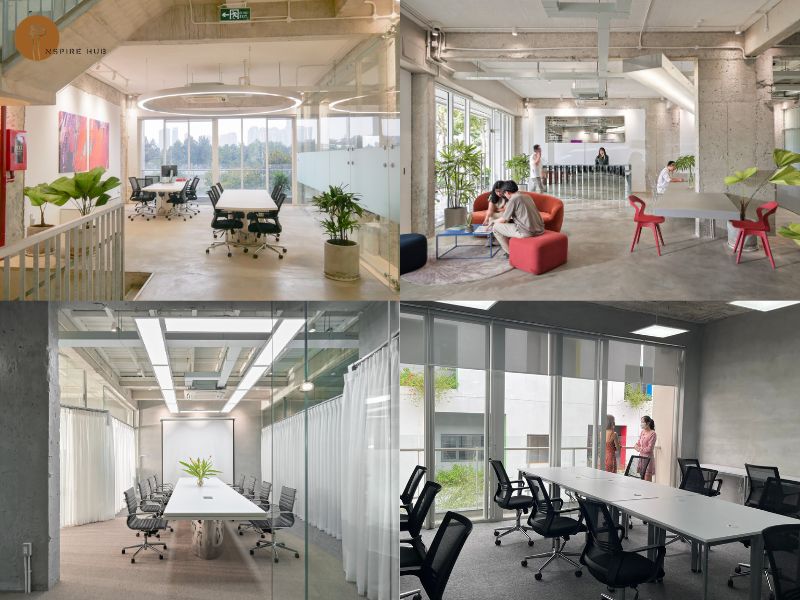
In summary, whether a traditional office or a coworking space is right for you, there is no single correct answer. There is only the choice that fits or doesn’t fit your business’s current stage of development. Contact Inspire Hub – Workspace in HCMC today for a free consultation and a real tour of our spaces. We are ready to support your business at every stage of its growth.