

 Tiếng Việt
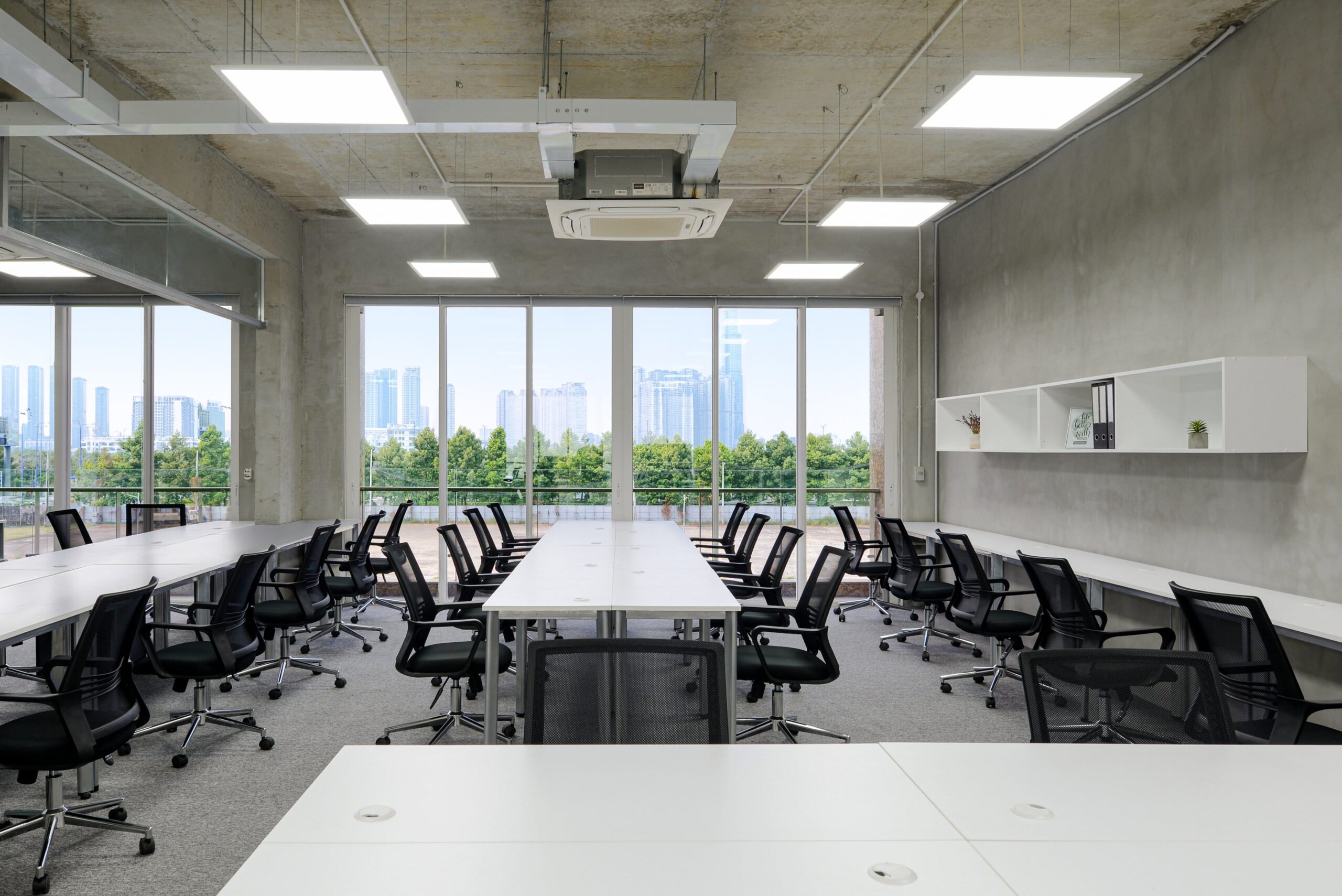
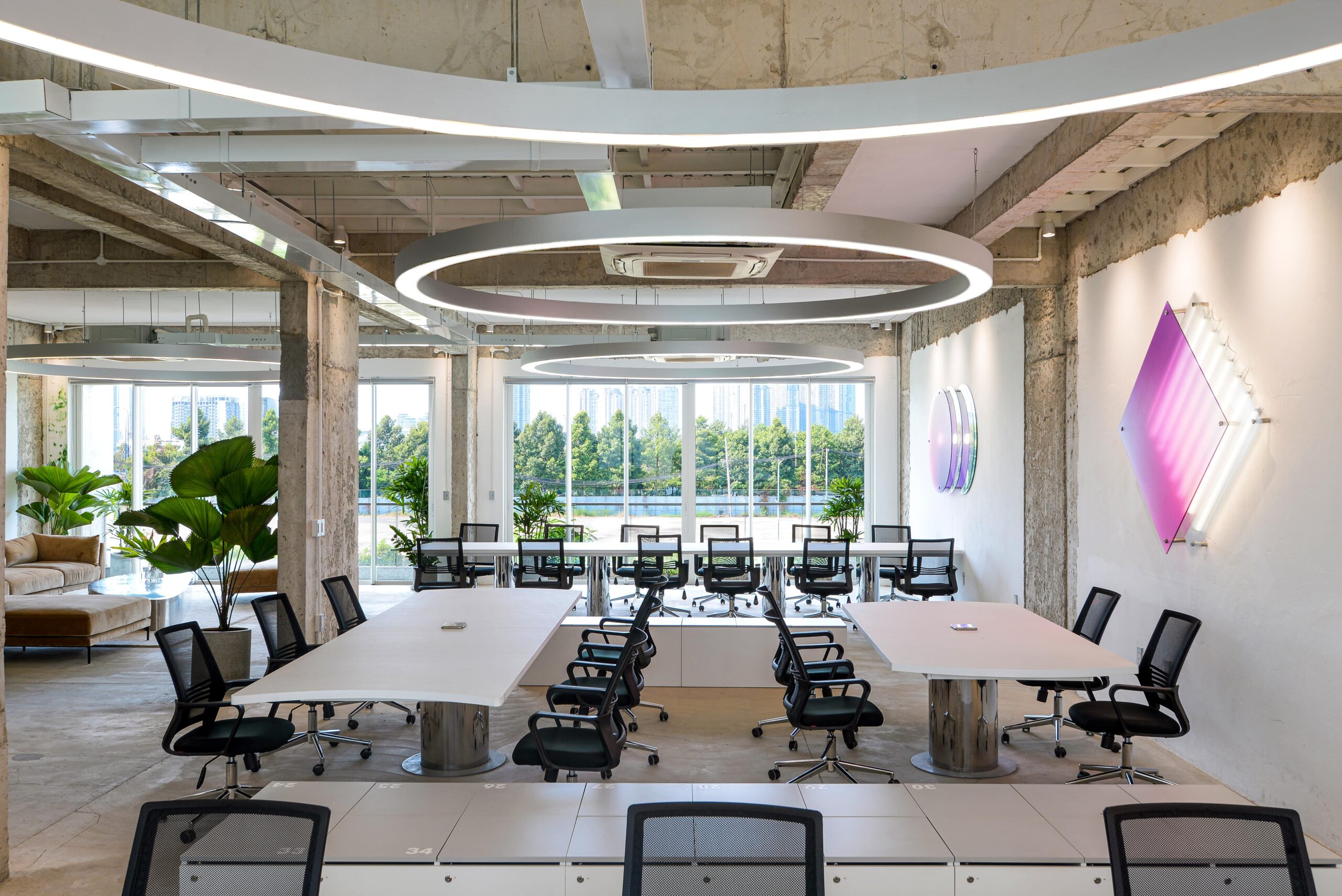
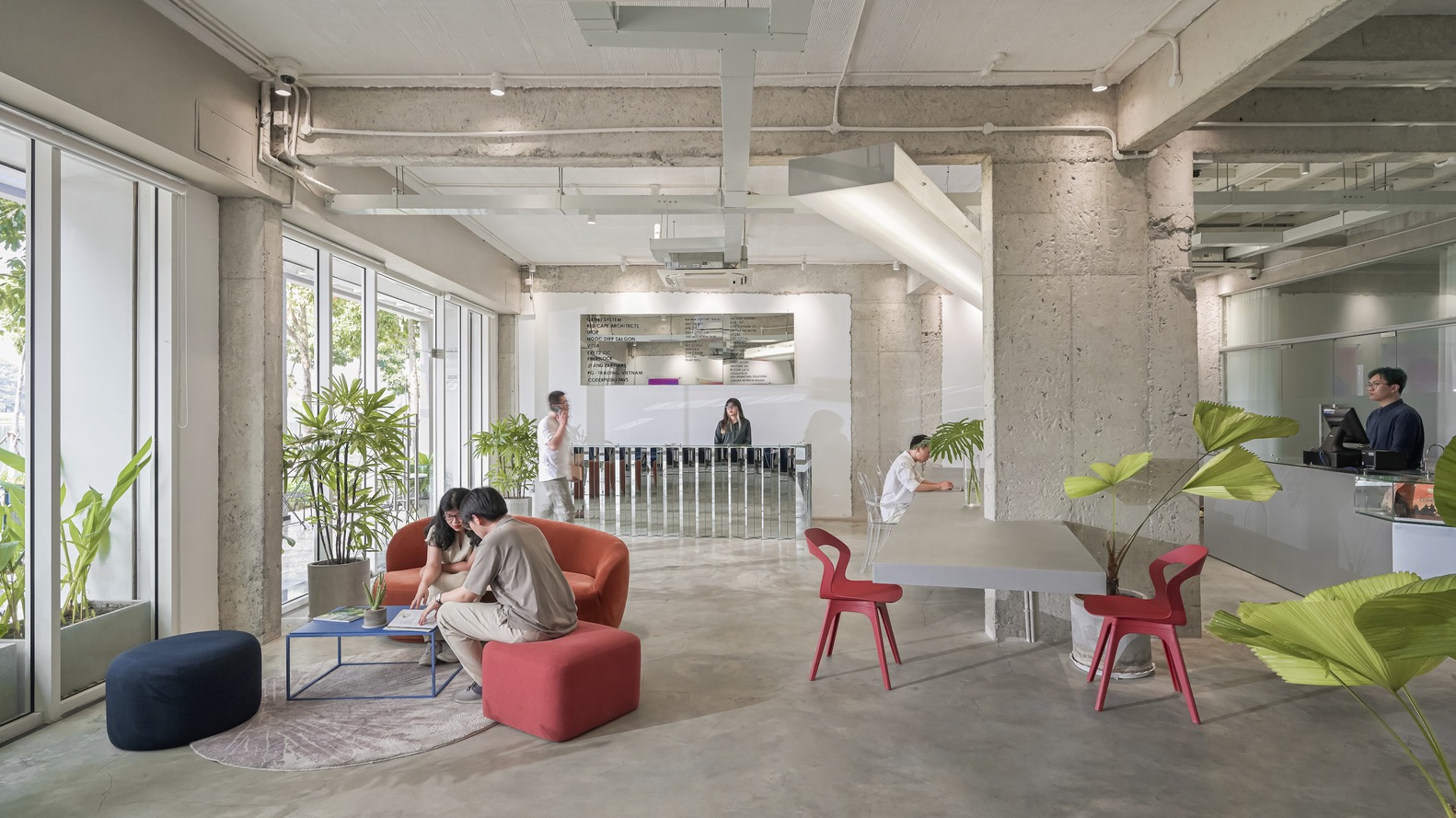
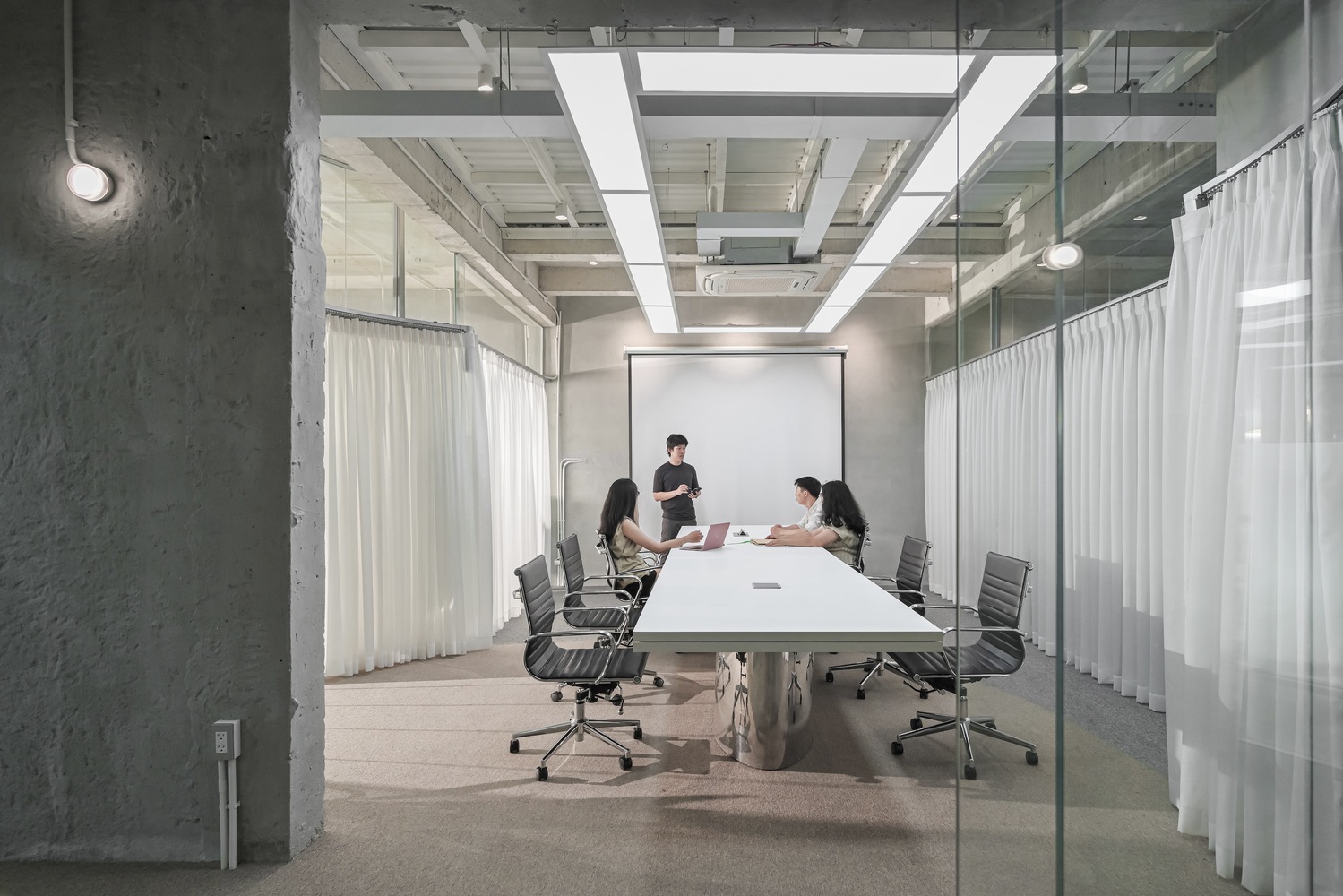
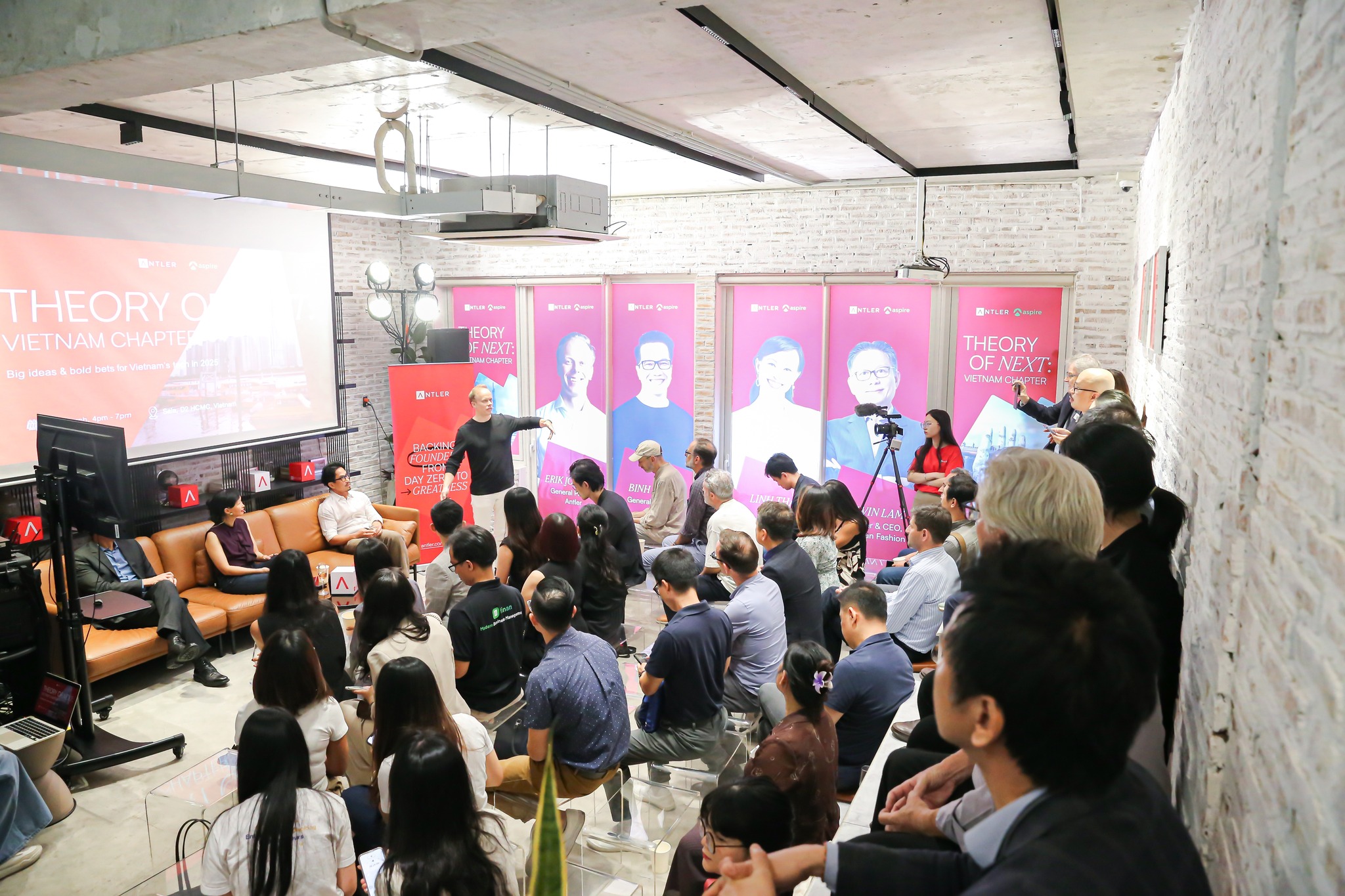
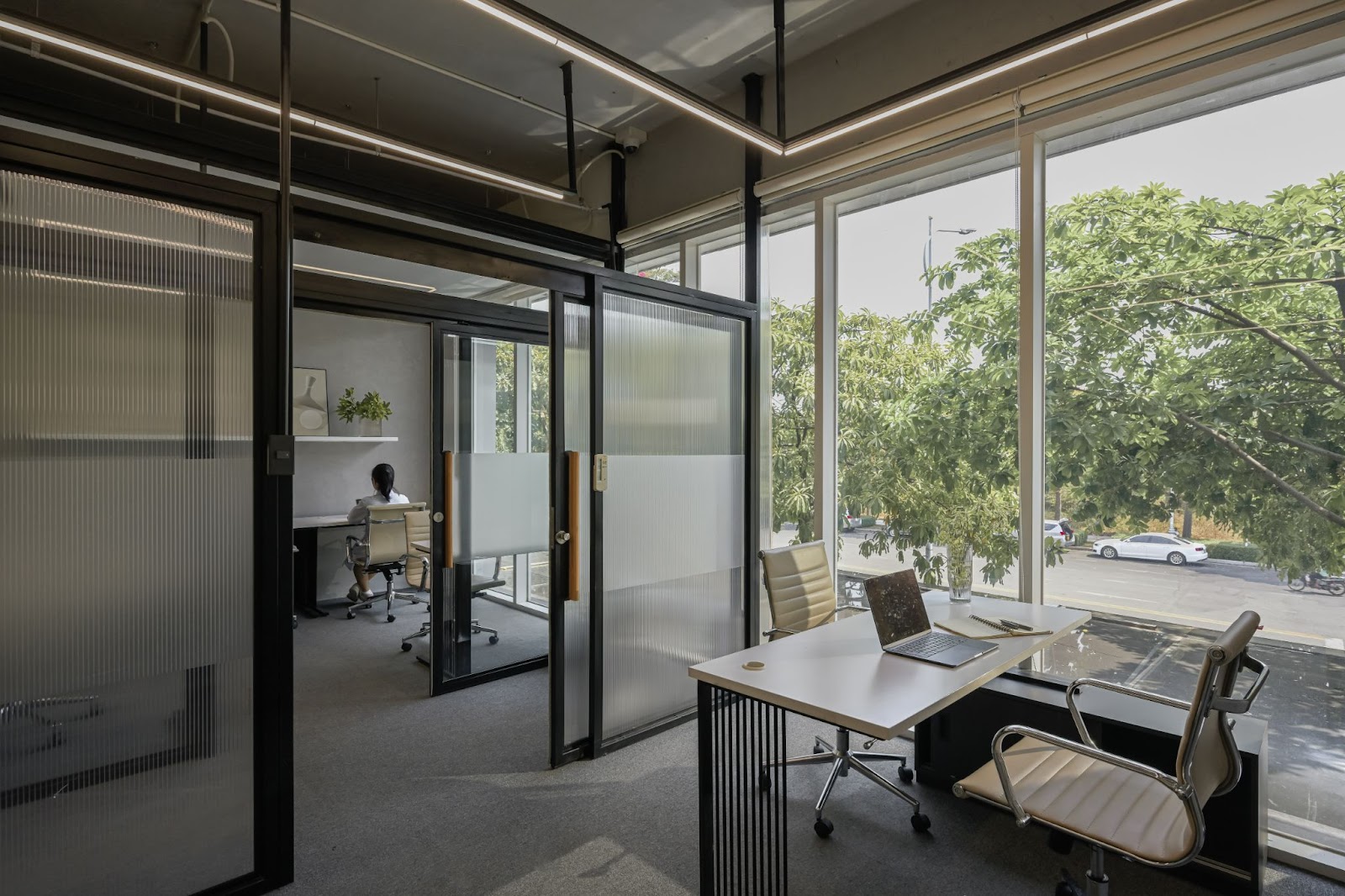
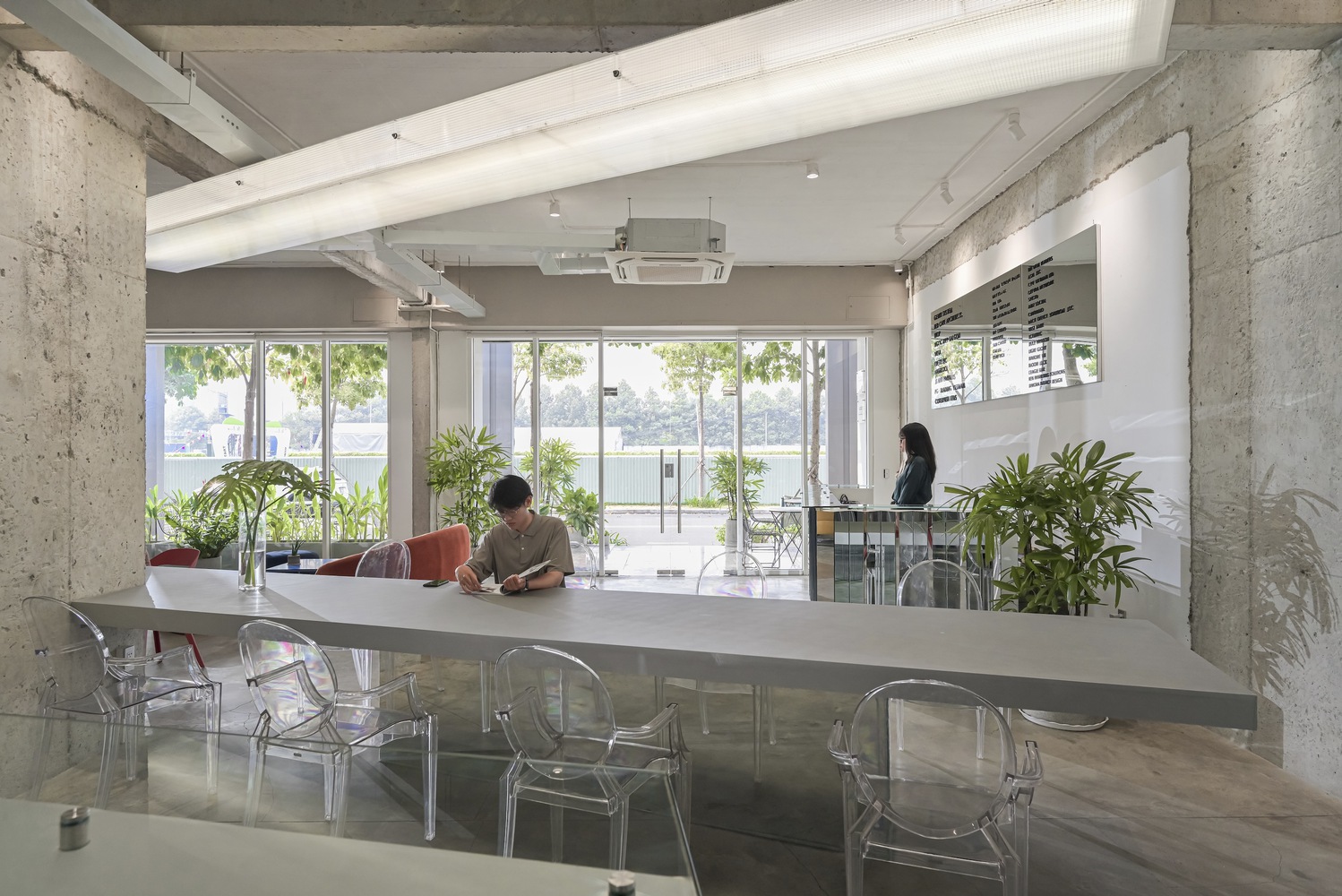
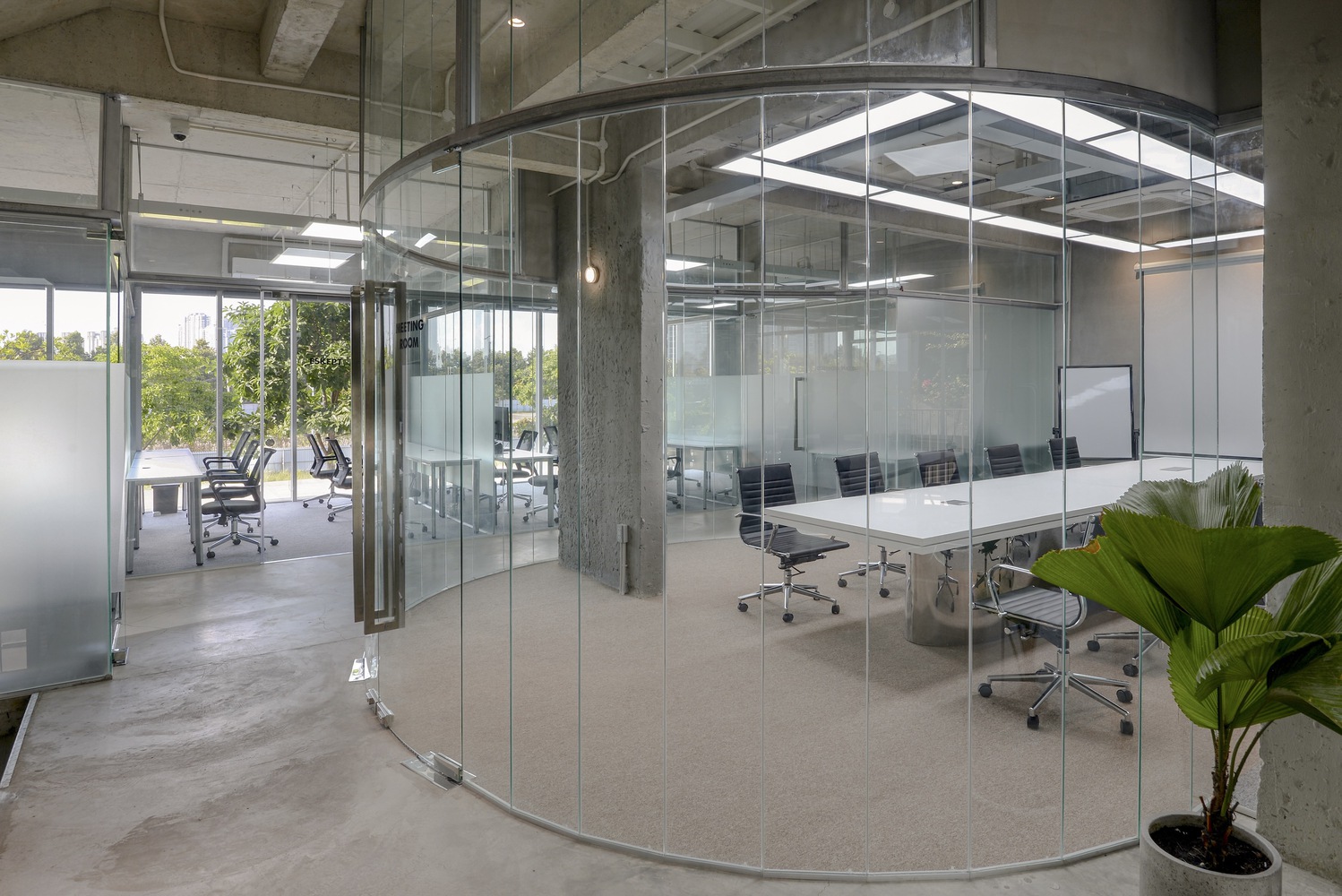

Hybrid working is becoming a leading choice for businesses worldwide. It can help companies improve performance while attracting and retaining talent. In this article, Inspire Hub explains what hybrid working is, the common models, its practical benefits, and how Vietnamese businesses can apply it effectively.
What is hybrid working? A new flexible work trend in Vietnam
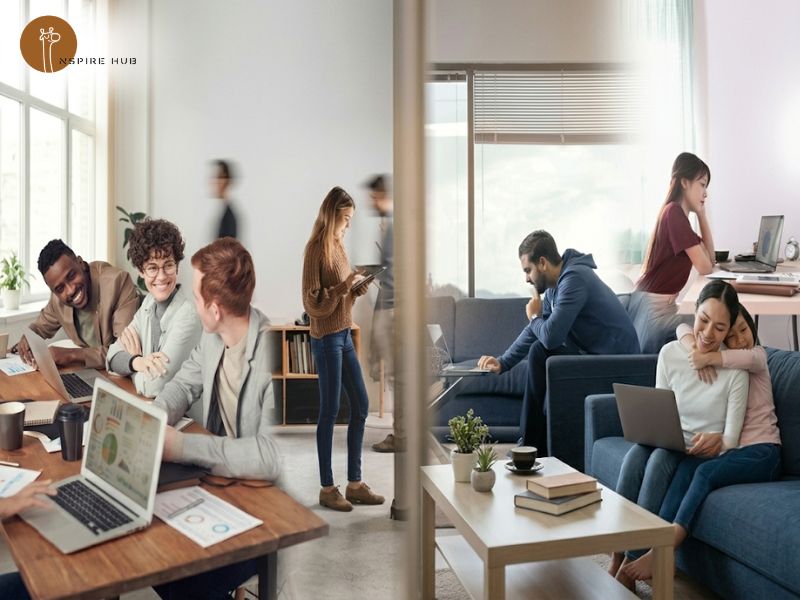
Hybrid working is a work model that allows employees to divide their time between the office and other locations. These locations may include their home, a coworking space, or another suitable workplace.
In Vietnam, hybrid working first became popular among technology companies, financial firms, and multinational businesses with local offices. Many young employees in these sectors value independence and a better work-life balance. For companies based in HCMC, choosing suitable coworking spaces in Ho Chi Minh City can make hybrid working easier by giving employees a professional place to meet, focus, and collaborate when needed. According to CareerViet, large companies such as Google, Microsoft, and Facebook were among the early users of this model worldwide. Their approach has also influenced the Vietnamese labour market.
Four common hybrid working models
Each business can choose a hybrid working model based on its industry, company culture, and management ability. The four common models are below.
Flexible hybrid work
In a flexible hybrid work model, employees choose when to come to the office based on their tasks. They do not need to follow a fixed office schedule. This model suits creative, consulting, and sales teams. Their workload and need for direct teamwork often change from one project to another.
Fixed hybrid work
In a fixed hybrid work model, the company decides which days employees must work in the office. For example, staff may come in from Tuesday to Thursday and choose where to work on other days. This schedule makes it easier to plan team meetings and activities that need face-to-face collaboration.
Office-first hybrid work
In an office-first model, the office remains the main place of work. Employees can work remotely for only a limited number of days each week or month. This approach is common in industries that require strong data security or close control of work processes. For teams that handle confidential information or need a controlled work environment, a private office can support hybrid working while still protecting privacy and operational security.
Remote-first hybrid work
In a remote-first model, employees mainly work away from the office but meet in person when needed. An hourly meeting room rental allows teams to hold meetings, training sessions, or workshops without maintaining a large permanent office. This option is suitable for many technology companies and startups. It helps them control office costs while keeping a professional physical space for important activities.

Benefits of hybrid working
Hybrid working can bring practical value to both businesses and employees:
- Lower office and operating costs: When all employees do not need to be in the office at the same time, businesses can use less space and consider a shared office space model to manage office rental costs more effectively than with a traditional office. The source article states that businesses may reduce office and operating costs by 15-30% through better space use and flexible desk sharing.
- Stable productivity and stronger talent retention: The source article states that hybrid working can maintain a similar level of productivity to full-time office work. It may also reduce employee turnover by up to 33%. In addition, it can support recruitment by meeting the demand for flexible work among 90% of the global workforce.
- A better employee experience and work-life balance: Employees can spend less time travelling and face less traffic pressure. They also have more control over their personal schedule. They can focus at home while still meeting colleagues in person at the office.
Challenges of moving to hybrid working
Hybrid working also creates several challenges that businesses need to manage:
- Lower team connection and fewer creative discussions: When employees meet less often, spontaneous ideas may happen less frequently. It can also be harder to build strong relationships between colleagues.
- More difficult people management: Employees who often come to the office may receive more attention and career opportunities than remote staff. Managers therefore need to assess people based on results, not physical presence.
- Technology costs and two operating systems: A business may need to invest in secure technology and online collaboration tools while still paying for a physical office. This can create pressure from two types of operating costs.

How to apply hybrid working effectively
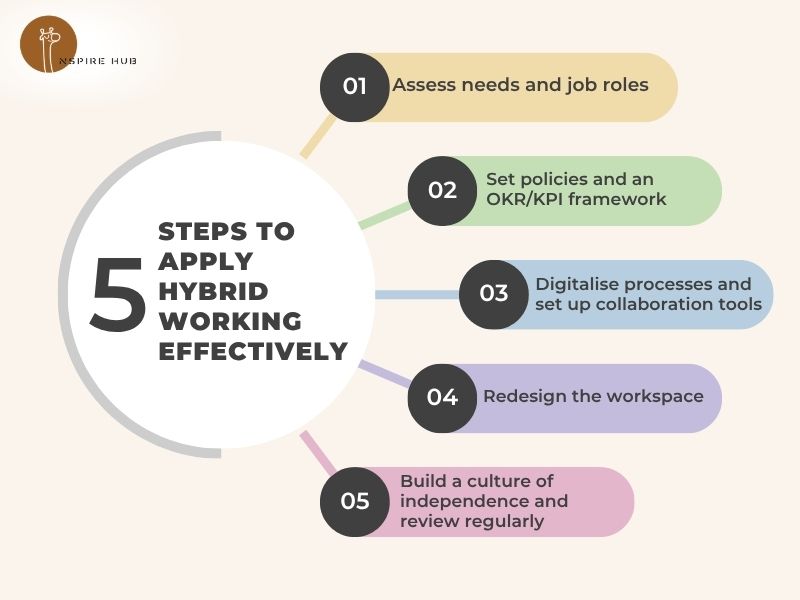
To make hybrid working effective, businesses should manage employees based on results instead of office attendance. They also need a clear schedule, hot desking, and secure technology for remote work. The following five steps can help.
Step 1: Review employee needs and job roles
Identify which roles must be performed in the office and which roles can be more flexible. The decision should be based on each role’s tasks and the level of teamwork required.
Step 2: Build a clear policy and an OKR/KPI framework
Do not assess employees only by the hours they spend in the office. Use clear results and agreed targets instead. This approach helps create fair conditions for both office-based and remote employees.
Step 3: Digitalise processes and set up collaboration tools
Connect project management, file storage, and online meeting systems. Every employee should have equal access to information, wherever they work.
When these tools are combined with a smart office, businesses can manage room and desk bookings. They can also track space use and improve hybrid operations with real data.
Step 4: Redesign the workspace
The office should follow an agile workspace approach. Give more space to team meetings and creative discussions instead of providing a dedicated desk for every employee. This helps the company use its office area more efficiently.
Step 5: Build a culture of independence and review it regularly
Employees need time management skills and clear responsibility for their work. The company should also run regular surveys and reviews. These activities help managers improve the hybrid working policy as business needs change.
Frequently asked questions about hybrid working
What is the difference between hybrid working and remote working?
Hybrid working combines office-based work and remote work. Remote working means employees work fully outside the company office and do not need to attend the office regularly.
Are hybrid working and working from home the same?
No. Working from home, or WFH, only describes work done at home. Hybrid working is a wider company policy that combines working from home with working in the office.
What does hybrid working mean in marketing?
In marketing, hybrid working allows team members to discuss campaigns and create ideas together in the office. They can then work from home when they need to analyse data, write content, or focus on individual tasks.
What does hybrid working mean in recruitment?
In recruitment, hybrid working is an employee benefit that can help attract candidates. It allows new staff to divide their working days between the office and a remote location.
Hybrid working is no longer a short-term trend. It is changing how modern businesses measure performance and design their workplaces. Contact Inspire Hub at 079 777 4 777 for advice on a workspace solution that supports your organisation’s hybrid working strategy.