

 Tiếng Việt
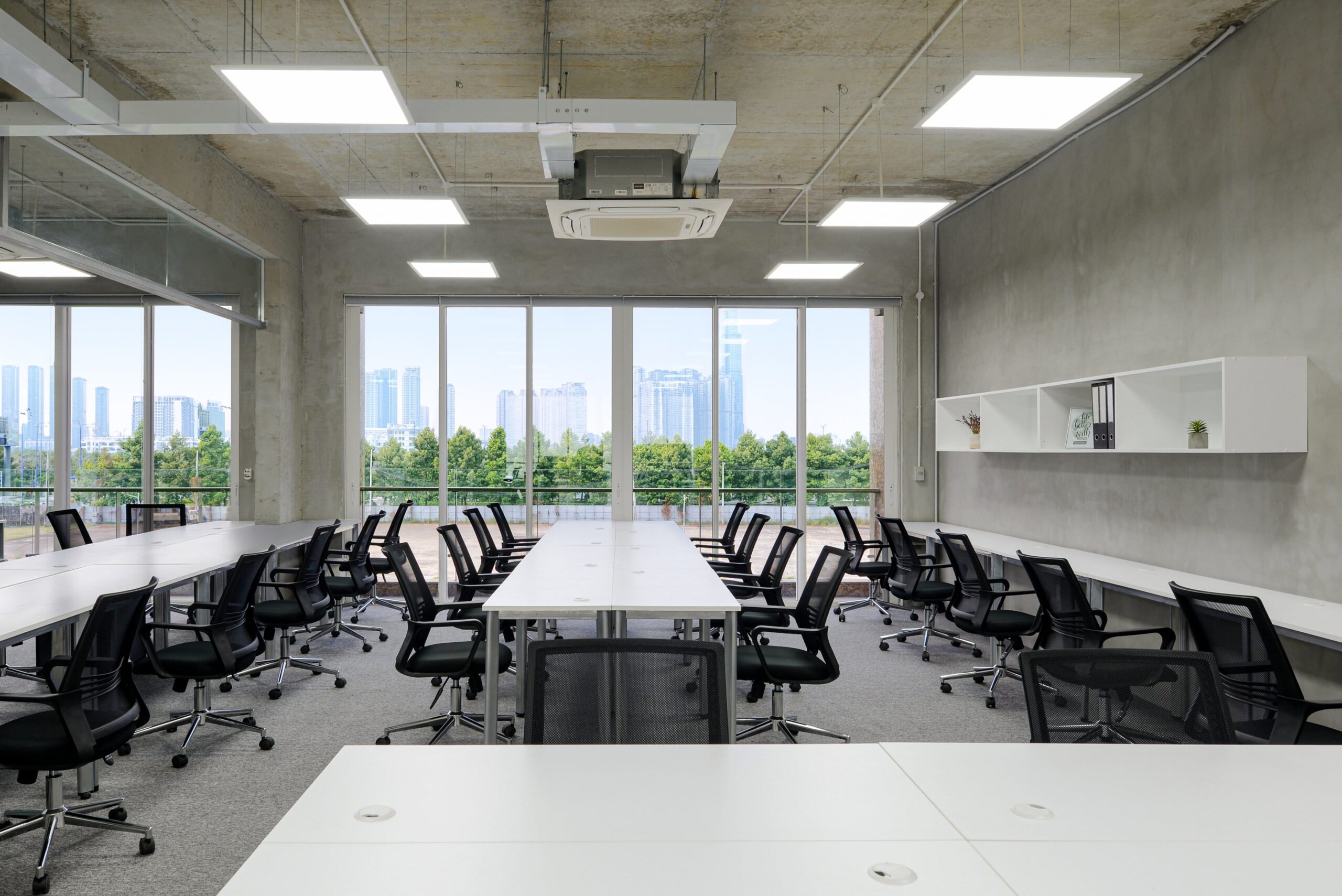
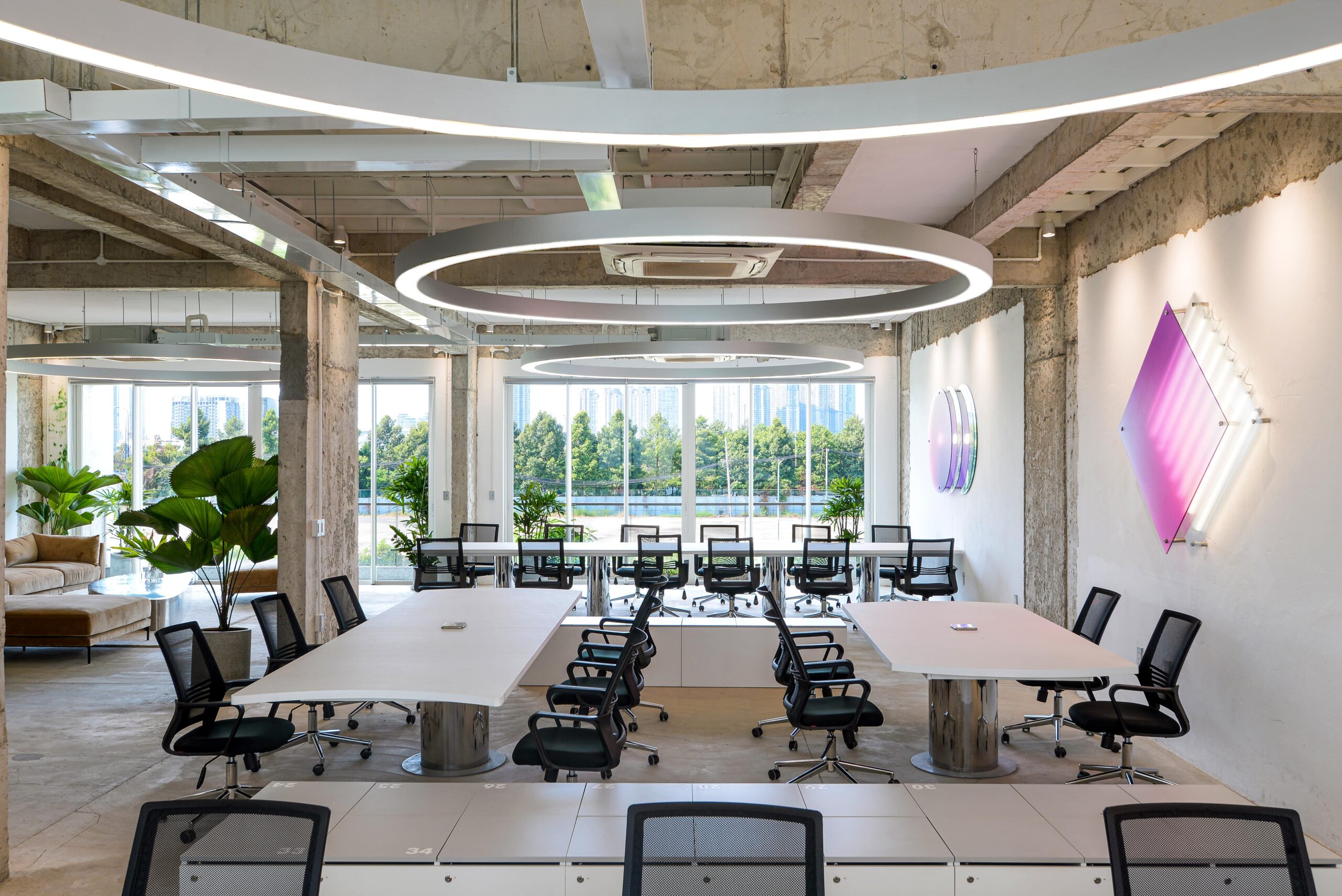
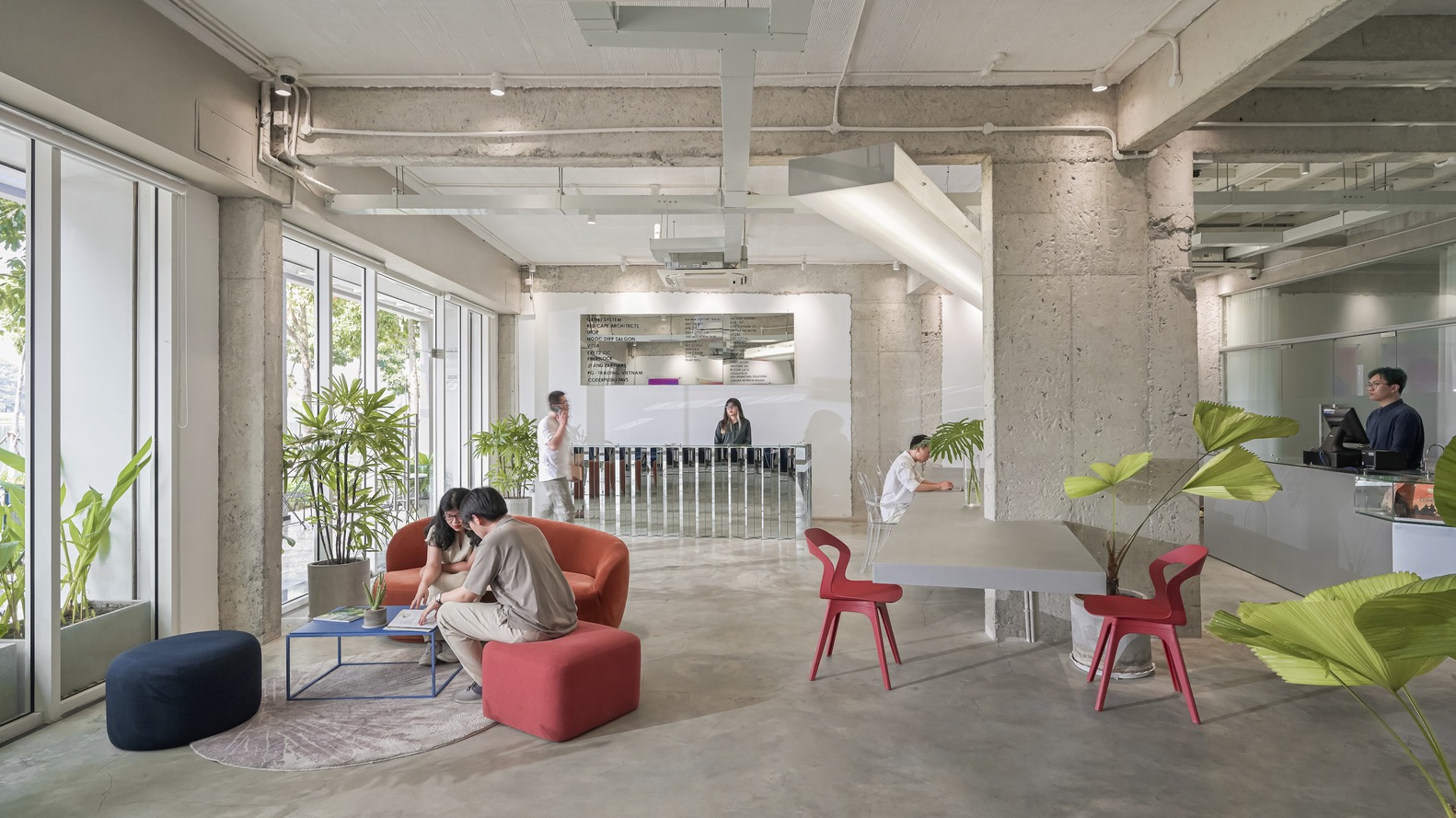
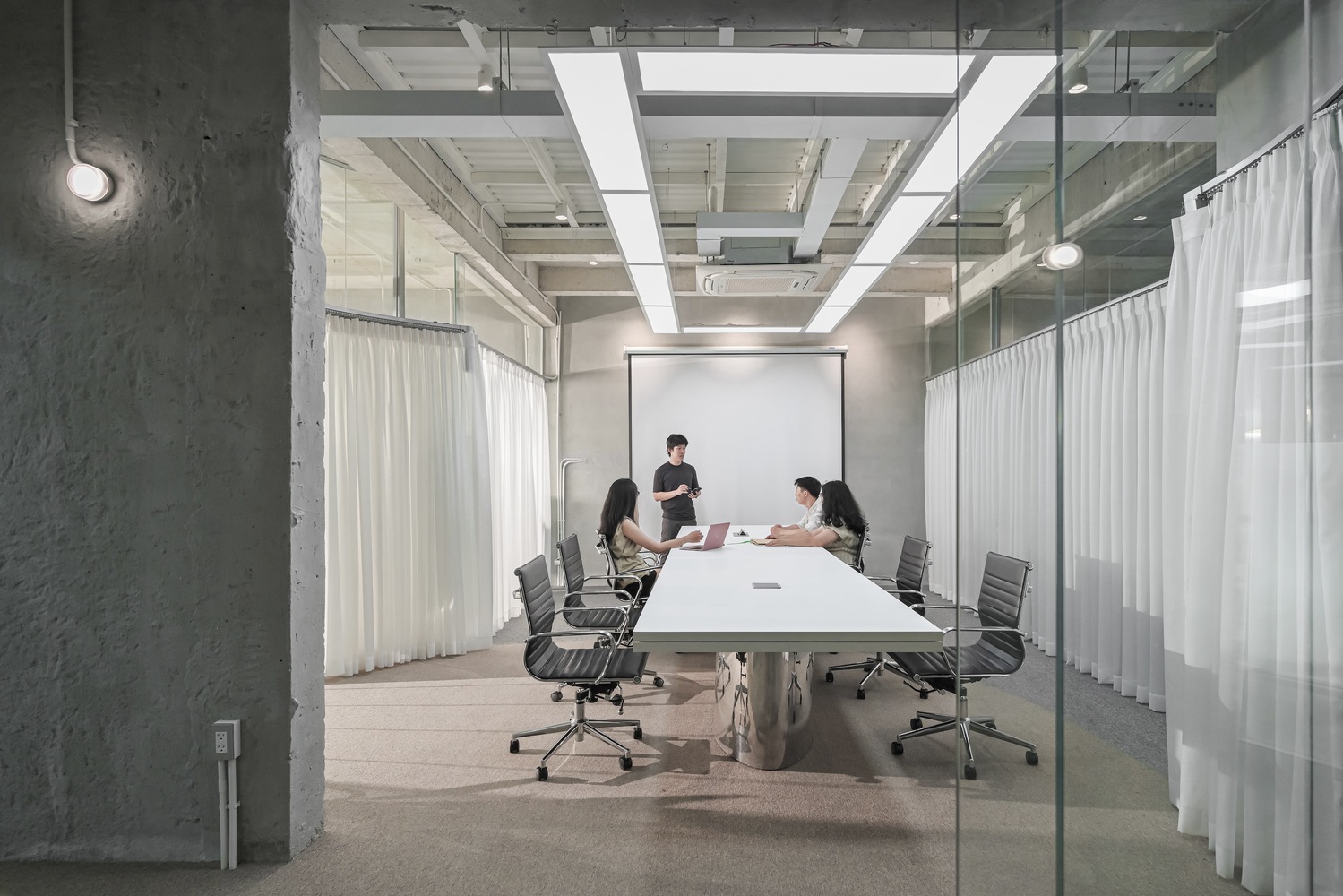

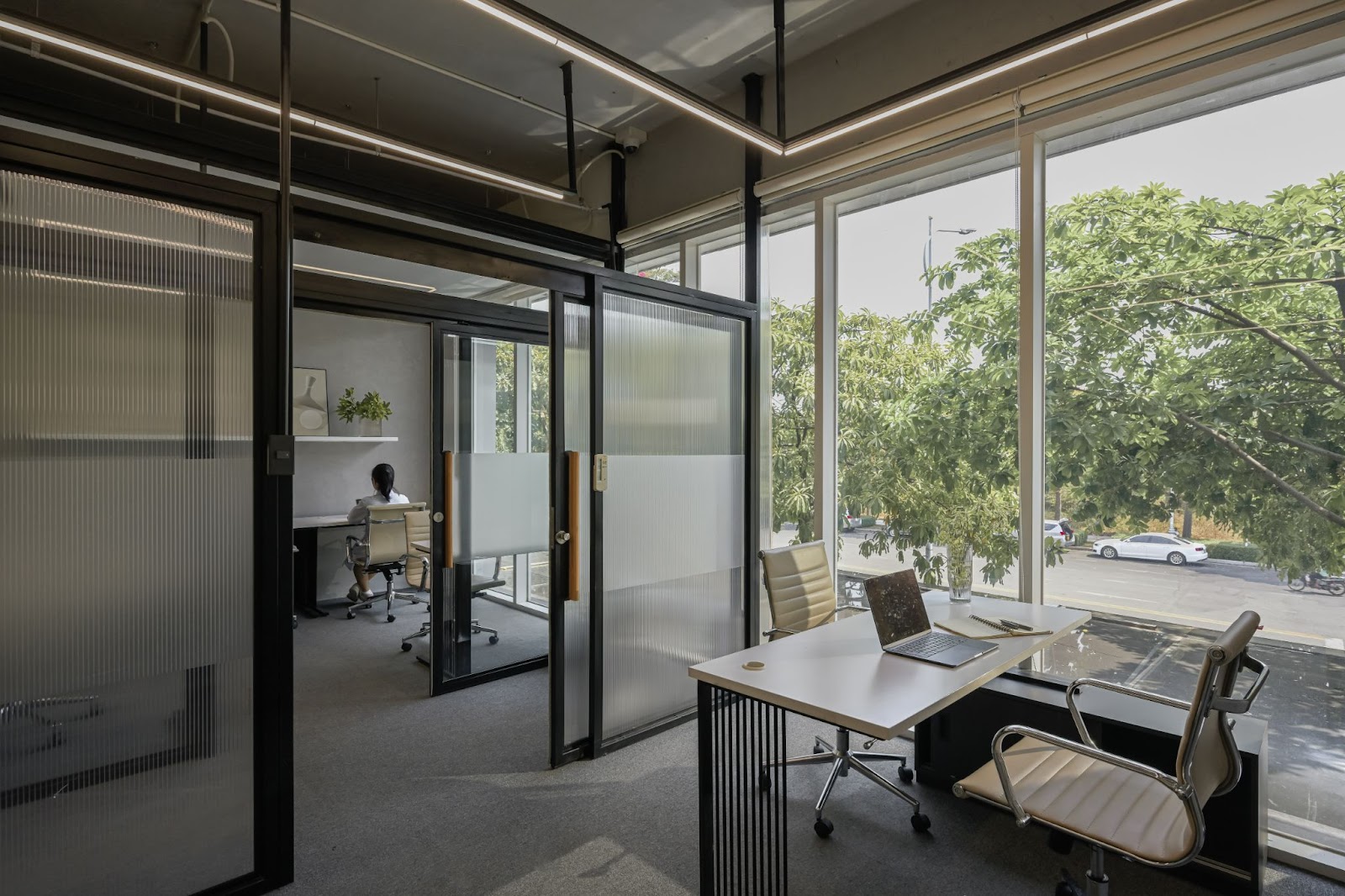
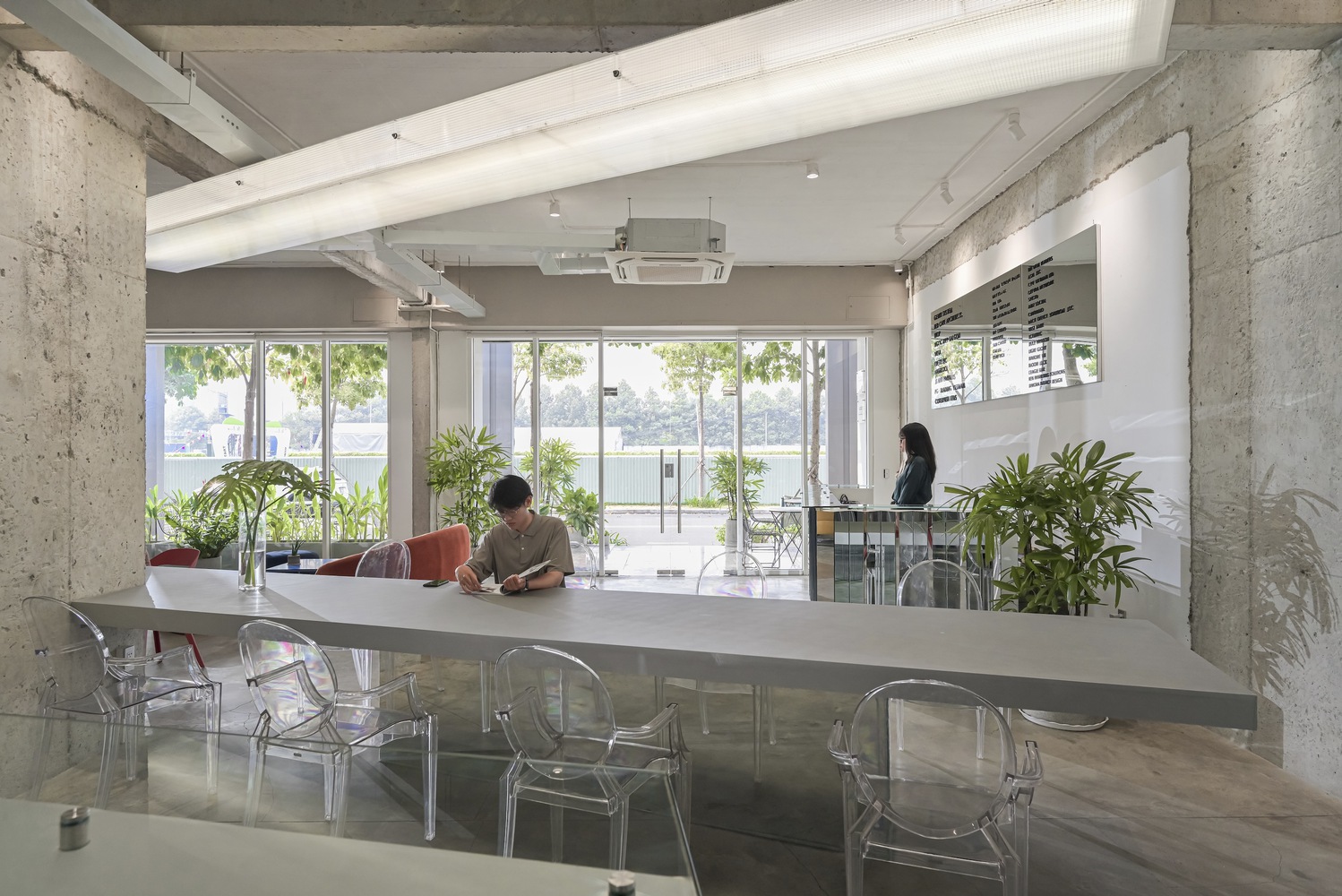
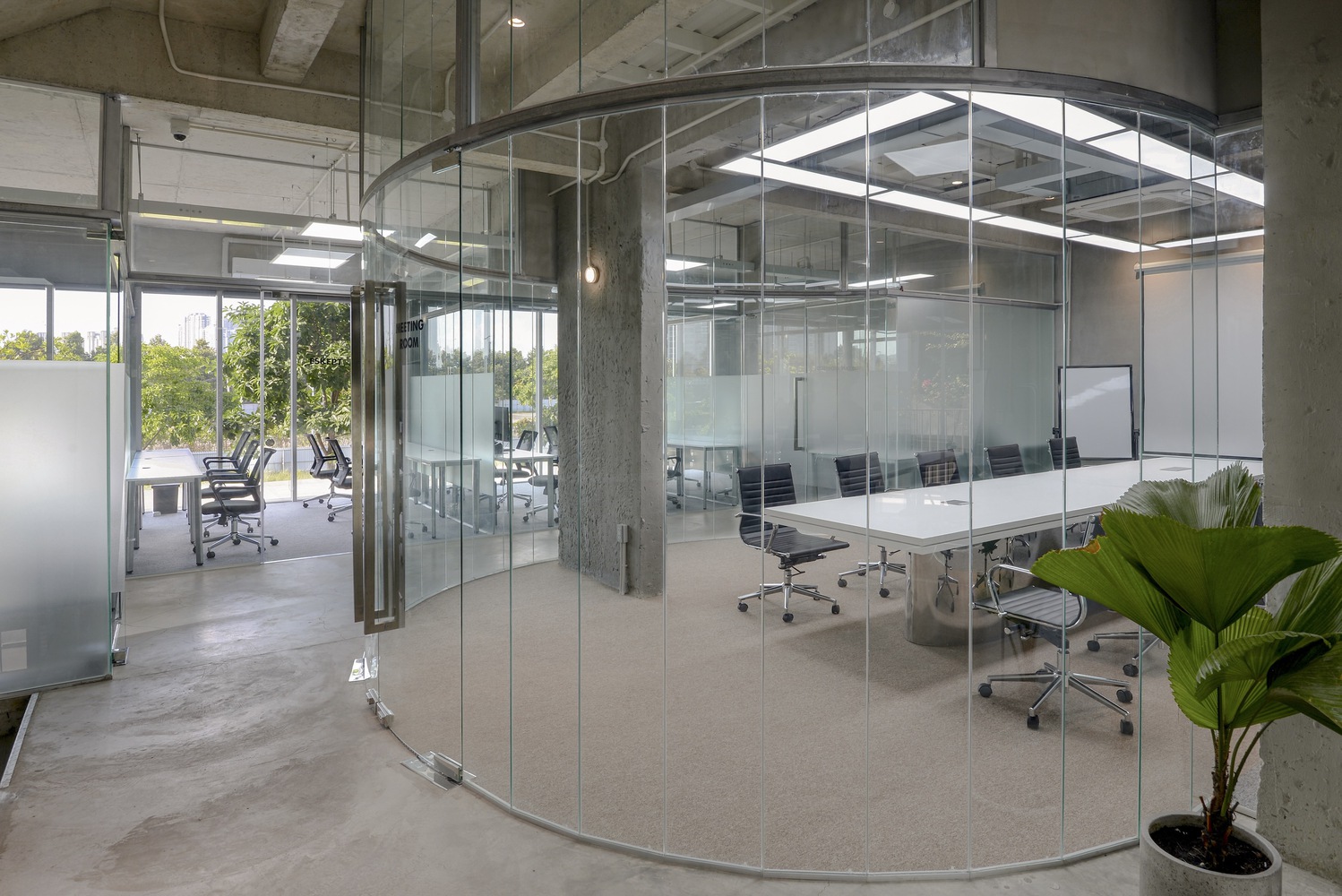
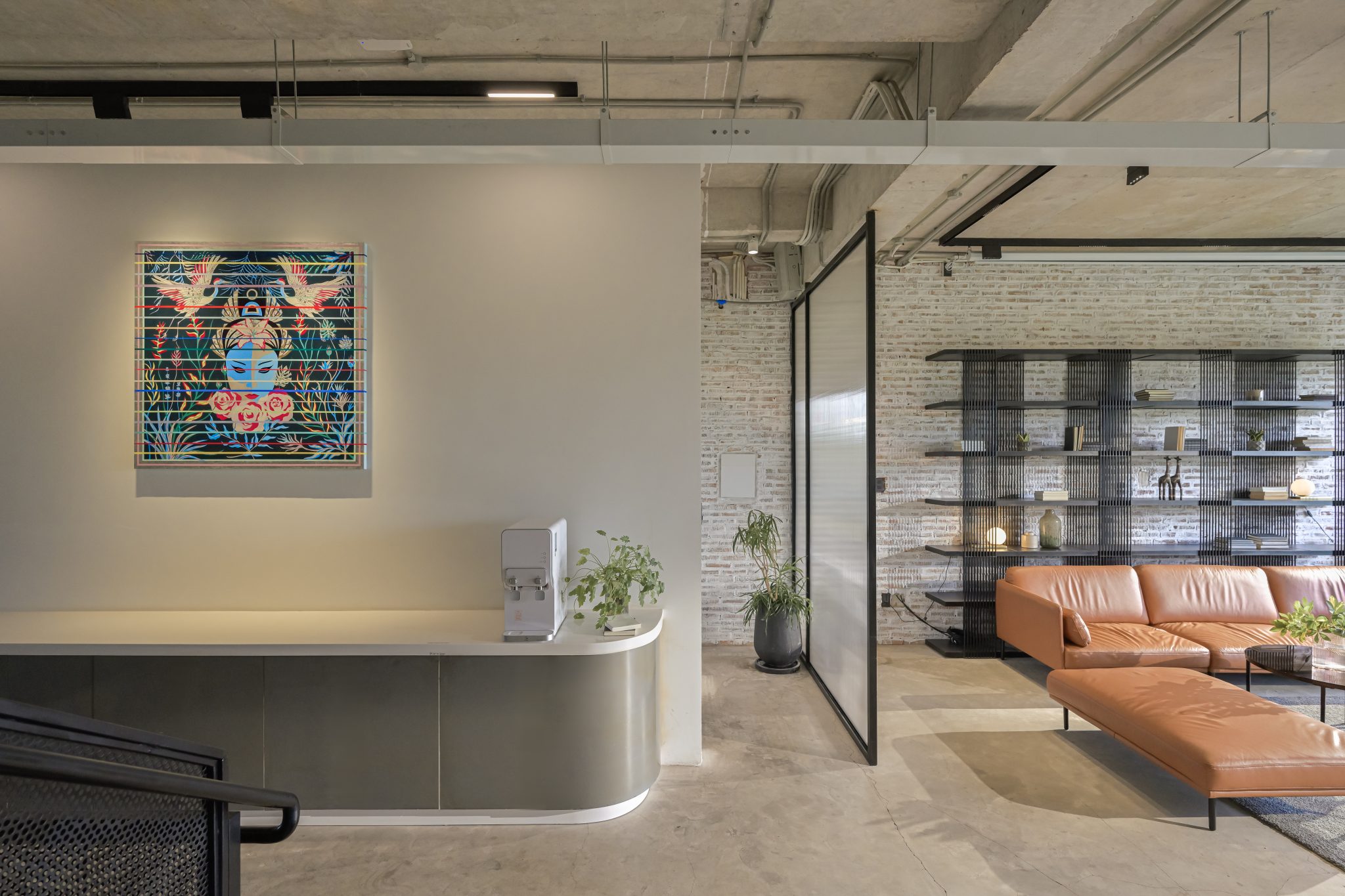
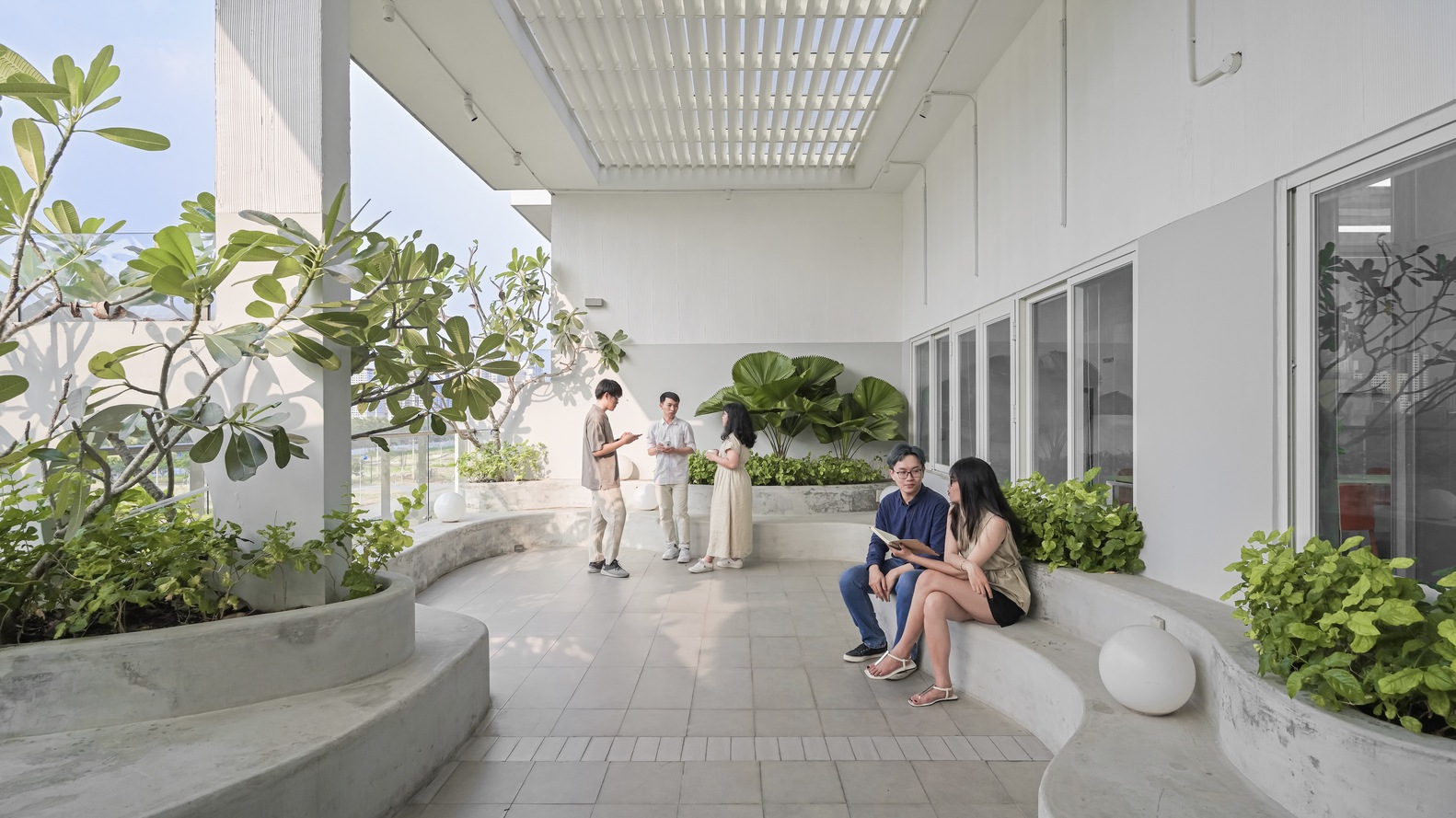
As commercial real estate costs continue to rise and flexible work becomes the dominant model, shared office space is rapidly becoming the preferred choice for a growing number of businesses. This guide covers what is shared office, the different types available, and the key features that make this model more compelling than a traditional office setup.
What is shared office space?
A shared office space — also known as a shared workspace — is a work environment where multiple individuals, teams, or businesses from different industries use the same location, infrastructure, equipment, and operational services, rather than each organization independently leasing, fitting out, and managing its own separate office.
At its core, shared office space is a cost-sharing model: instead of one business bearing the full cost of floor rent, utilities, internet, cleaning, and security, these costs are distributed across multiple tenants. Each party saves significantly while still accessing a professional, fully equipped work environment.
>> View more: What is a coworking space? Key benefits for businesses
Types of shared office space
Shared office space is no longer a single uniform product. It has evolved into several distinct formats designed to meet a wide range of needs, from solo freelancers to companies with dozens of staff. Understanding each type helps you identify the right solution for your team size and work style.
Dedicated desk
A dedicated desk is an assigned workstation reserved exclusively for one individual or small group within the shared workspace. Users can leave their equipment, documents, and personal items at the desk overnight without clearing up each day. This is the right option for those who work from a shared office every day and need a degree of consistency and stability in their setup.
>> View more: What is a dedicated desk & EXPLORE OUR DEDICATED DESK SOLUTIONS AT INSPIRE HUB
Hot desk
A hot desk is a flexible seating arrangement where users book a workspace by the day and can sit at any available desk in the open area. This is the most cost-efficient and flexible format within shared office space, suited to freelancers, consultants who frequently work offsite, or companies running a hybrid model where staff are not in the office every day.
>> View more: What is hot desking? Definition and key benefits
Private office
A private office is a fully enclosed, self-contained room leased exclusively to one company or team. Even within a shared office environment, a private office tenant retains full control over their internal space, maintains information security, and builds their own company culture. They still benefit from all shared building amenities such as pantry areas, reception lobbies, and meeting rooms. This option suits companies of 3 to 50+ people that require a higher level of privacy.
>> EXPLORE OUR PRIVATE ROOM SOLUTIONS AT INSPIRE HUB
Key features of shared office space
The appeal of shared office space goes beyond price. The full value proposition of this model is what sets it apart from traditional offices.
Flexibility for any team size
Shared office space can serve businesses of any size, from a solo professional to a company of hundreds, through a diverse product range: daily seats, dedicated desks, private rooms, or entire floors. More importantly, businesses can scale up or down quickly as they grow or restructure, without being constrained by a fixed lease. This is something a traditional office fundamentally cannot match at the same speed and cost.
Optimized capital and operating costs
With a shared workspace, businesses require almost no upfront capital expenditure for interior design, construction, or technical infrastructure installation. All utilities, internet, cleaning, security, and maintenance are bundled into a single transparent monthly fee, allowing businesses to budget accurately and avoid the unexpected costs that are common in traditional office operations.
Access to shared office amenities
Users of a shared office space gain access to a full amenity ecosystem that would cost far more to replicate independently: modern meeting rooms in various sizes, a pantry with complimentary drinks and snacks, printers and scanners, a professional reception lobby, lounge areas for creative work, and high-speed internet and air conditioning. All of these are maintained by a professional operations team so tenants can focus entirely on their work.
Built-in networking and collaboration opportunities
One of the most valuable additional benefits of shared office space is its diverse community environment, where businesses from different industries work under the same roof. This creates a natural foundation for building partnerships, discovering potential clients or suppliers, and gaining multi-dimensional perspectives from the surrounding business community, particularly valuable for foreign organizations building their network in the Vietnamese market.
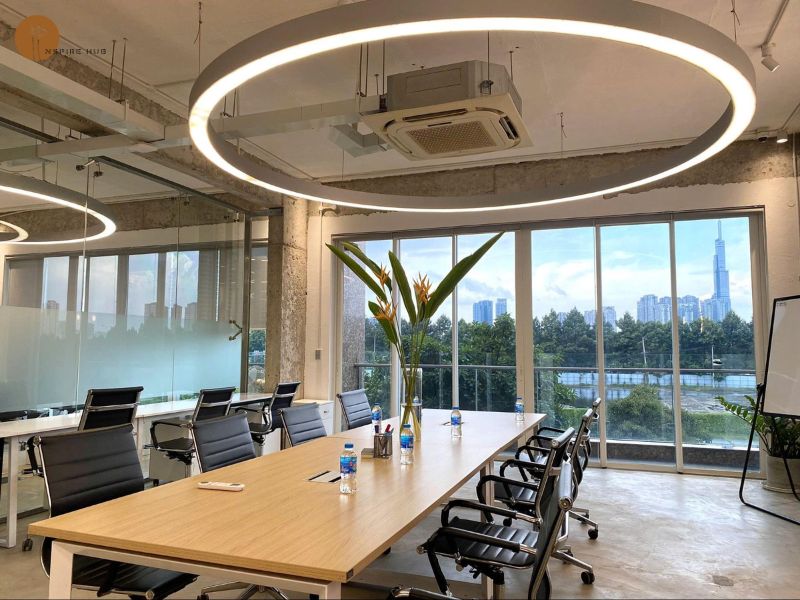
Shared office vs. Traditional office
To choose the right model, businesses need a clear picture of how the two compare across operational dimensions.
| Criteria | Shared Office Space | Traditional Office |
| Upfront cost | Near zero — full infrastructure already in place | Very high — fit-out, furniture, and technical installation required |
| Monthly rent | All-inclusive, no additional charges | Base rent + management fee + utilities + internet billed separately |
| Contract term | Flexible — monthly or annual | Long-term commitment of 3–5 years |
| Time to start | Move in on the day of signing | 1–3 months for construction and fit-out |
| Scalability | Easily add or reduce seats as needed | Rigid, constrained by existing leased area |
| Operations | Fully managed by building team | 100% self-managed by the tenant |
| Amenities | Shared meeting rooms, pantry, printing, reception | Self-furnished and self-maintained |
| Community | Open, collaborative environment | Completely closed off from external networks |
| Business registration | Available immediately upon signing | Requires full setup before registration is possible |
On balance, a shared office space offers clear advantages over a traditional office for businesses that prioritize fast setup, cost efficiency, and operational flexibility.
Who is a shared office space right for?
Shared office space is not limited to one type of business. From individuals to large corporations, a wide range of users can find a suitable solution within this model.
- Foreign companies entering the Vietnamese market who need a legal address, professional workspace, and operational support immediately, without committing to a large traditional office investment during the initial market exploration phase.
- Startups and SMEs in a growth phase that need the flexibility to scale quickly without being locked into a rigid long-term lease.
- Freelancers and independent consultants who need a professional, fully equipped work environment that is distinct from working at home, at a fraction of the cost of renting a private office.
- Hybrid workers who do not need a fixed office five days a week but need a professional location for focused work several days per week or for important meetings.
- Import/export and international trade businesses that regularly host foreign partners and need a professional meeting and reception environment consistent with their transaction scale.
- Companies expanding into a new city or district looking to establish a presence quickly without building infrastructure from scratch.
What to check before renting a shared office space
To ensure the right decision and avoid unnecessary risks, consider the following points carefully before signing a shared office lease.
- Verify the legal status of the address: Confirm the address can be used for valid business registration with the local Department of Planning and Investment — a mandatory requirement if you are setting up or transferring a business entity.
- Review contract terms carefully: Pay particular attention to renewal policies, size adjustment options, early termination conditions, and any fees not included in the base package.
- Visit in person before committing: Marketing photos and videos do not always reflect reality. Visit during peak working hours to assess noise levels, air quality, lighting, and actual operational standards.
- Test the internet and technical infrastructure: Stable, high-speed internet is non-negotiable. Measure actual connection speeds and ask about contingency plans for outages.
- Research the existing member community: The profile of businesses already working there tells you a lot about cultural fit and potential networking value. A diverse, high-quality community is an intangible asset with real business value.
- Assess location and accessibility: Prioritize a location that is convenient for both daily staff commutes and client/partner visits. Staff travel time is a genuine hidden cost that many businesses overlook when choosing an office.

FAQ about shared office space
Can a shared office address be used for business registration?
Yes. At reputable shared office providers, the building address can be used as a legally valid business address under Vietnam’s Law on Enterprises, provided the provider holds the proper legal documentation confirming their lawful right to use that address. Choosing a provider with transparent legal credentials is the critical factor here.
Is a security deposit required for a shared office?
Most shared office providers require a deposit equivalent to 1–3 months of rent, depending on the service type and contract duration. This is significantly lower than the deposit plus fit-out and furniture costs required for a traditional office — one of the clear financial advantages of the shared workspace model.
Is shared office space suitable for small businesses?
Absolutely — small businesses are actually among the best-served users of this model. Companies of 1 to 20 people gain access to a professional workspace, full amenities, and a credible address at optimized cost. Replicating the same conditions independently would cost multiples more.
Is it quiet enough to work in a shared office space?
Noise levels depend on the space design and the provider’s operational policies. High-quality coworking spaces typically apply clear zoning principles: a quiet, focused work zone for concentration-heavy tasks; a more dynamic community zone for team exchanges; and fully enclosed meeting rooms for calls and conferences. If privacy and quiet are your top priorities, a private office within a shared office building is the most suitable option.

Inspire Hub: A trusted shared office space provider in HCMC
If you are looking for a shared office space in Ho Chi Minh City with international standards, a strategic location, and a comprehensive amenity ecosystem, Inspire Hub is a top option to consider.
Inspire Hub operates two locations with distinct design identities: Inspire Hub 1 in Cozy Style — warm and inspiring — and Inspire Hub 2 in Minimalism Style — refined and contemporary. Both spaces were designed by DQV Architects, recognized by ArchDaily (USA) and Gooood (China), and Inspire Hub received the VMARK 2024 Award for Best Office Space Design. A single membership grants flexible access to both locations.
All service packages at Inspire Hub are structured as all-inclusive: electricity, water, high-speed internet, cleaning, security, complimentary tea and snacks in the pantry, printing, and administrative support — with no hidden fees and no surprise charges.
A shared office space is a smart solution for modern businesses looking to optimize costs, stay operationally agile, and access meaningful community connections. The key is choosing a provider with real infrastructure, strong legal credibility, and a quality member community — the foundation for sustainable long-term business growth.
Contact Inspire Hub Workspace Solutions via the official website or hotline 0797774777 to get personalized advice and book a free workspace tour.