

 Tiếng Việt
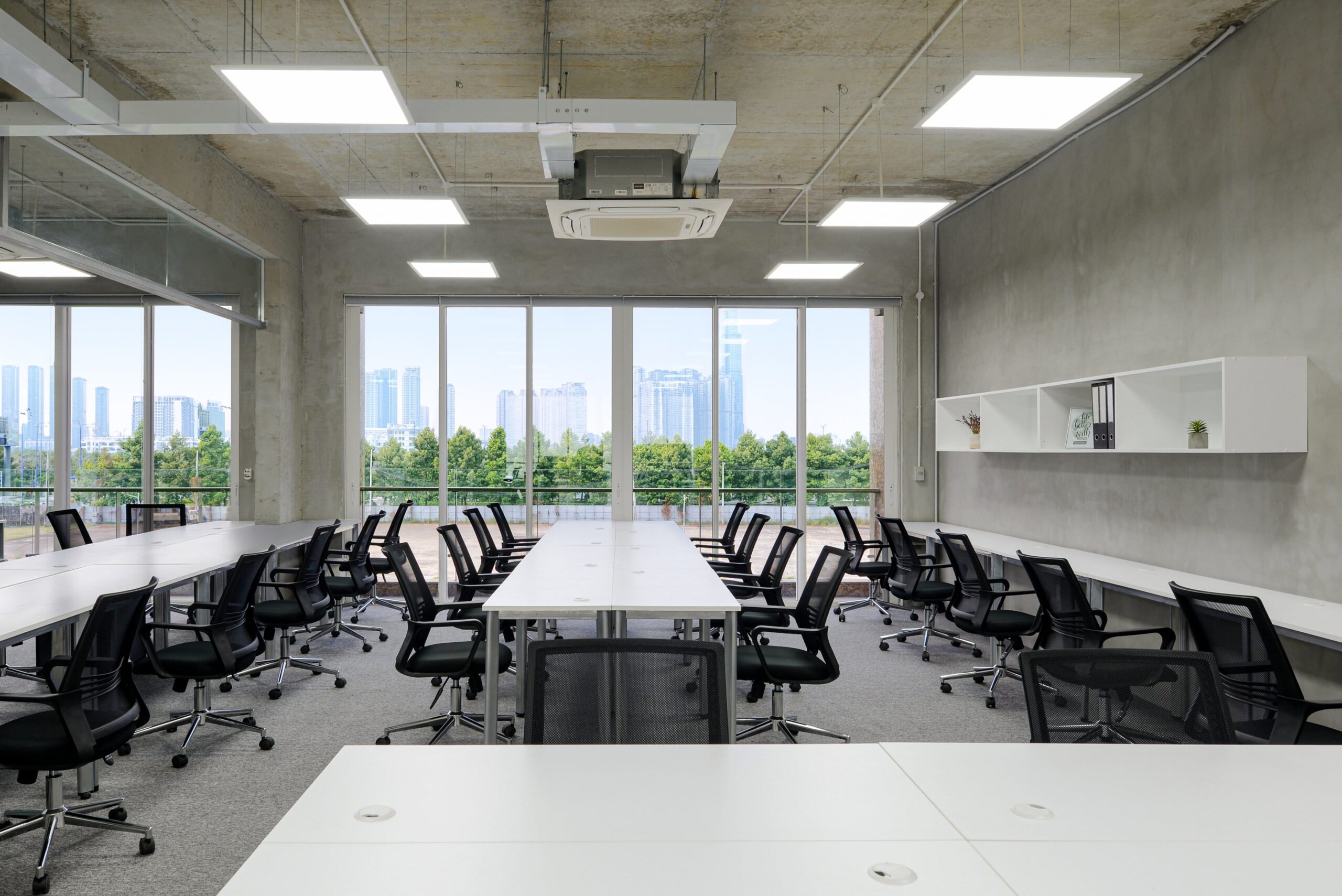
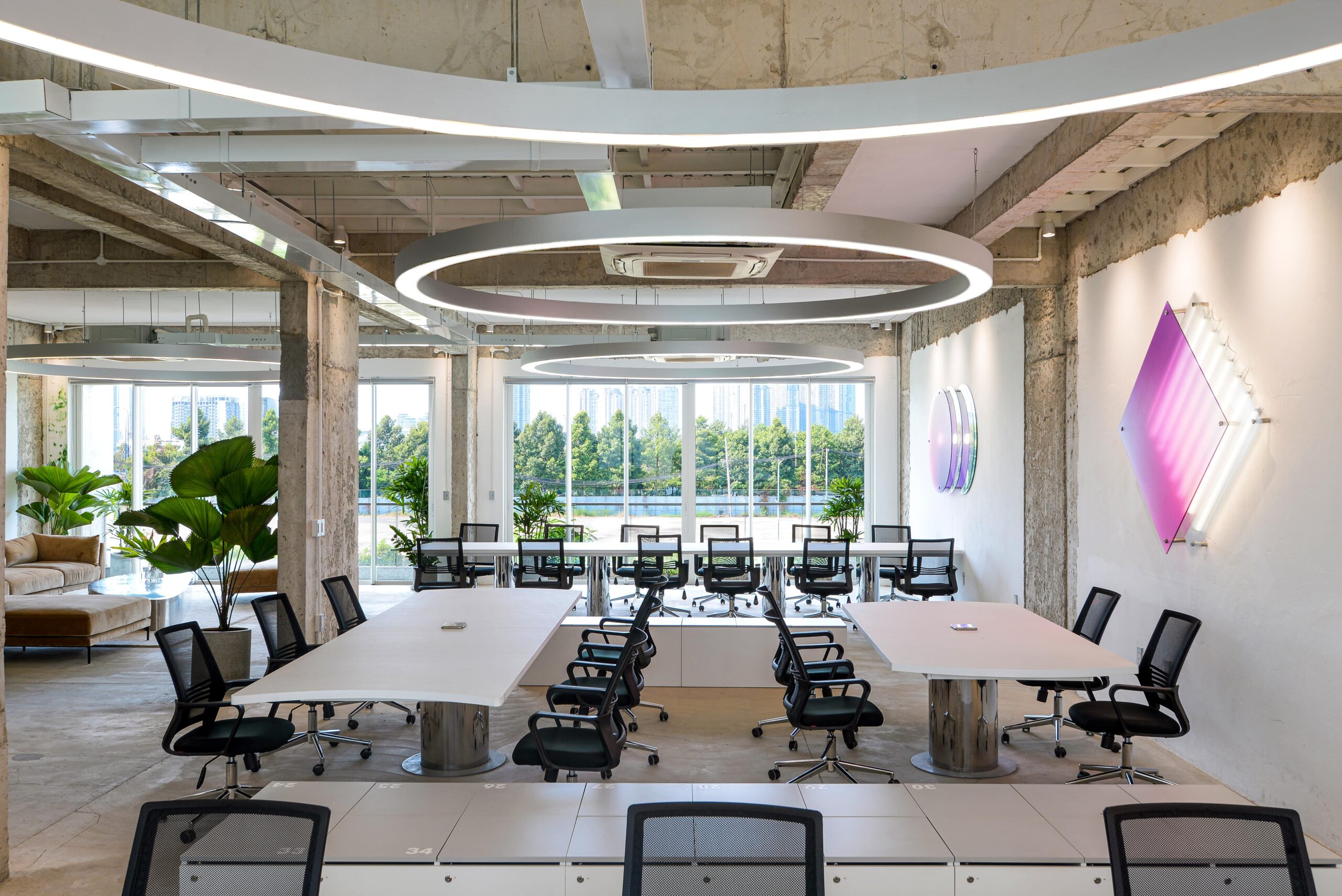
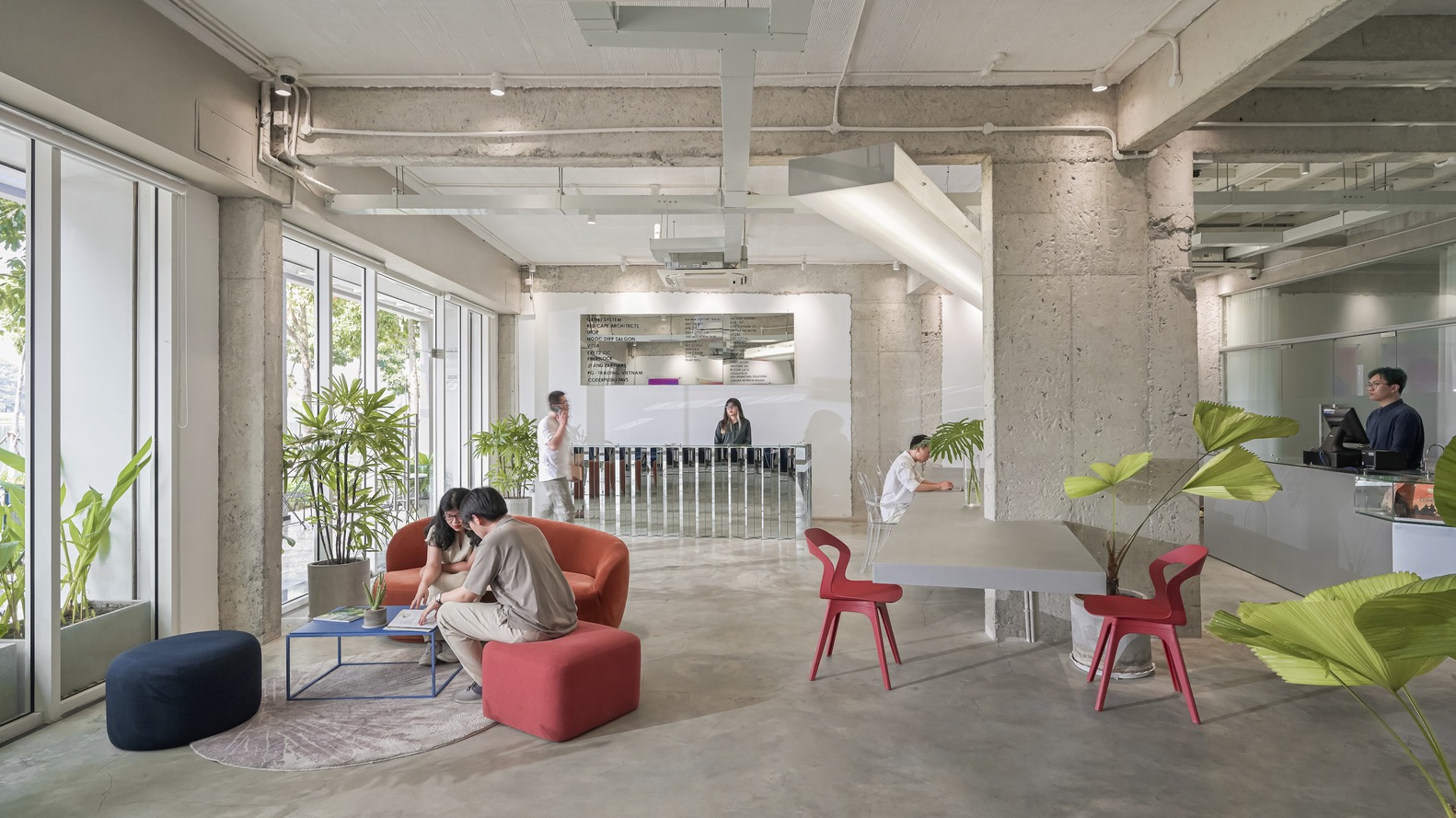
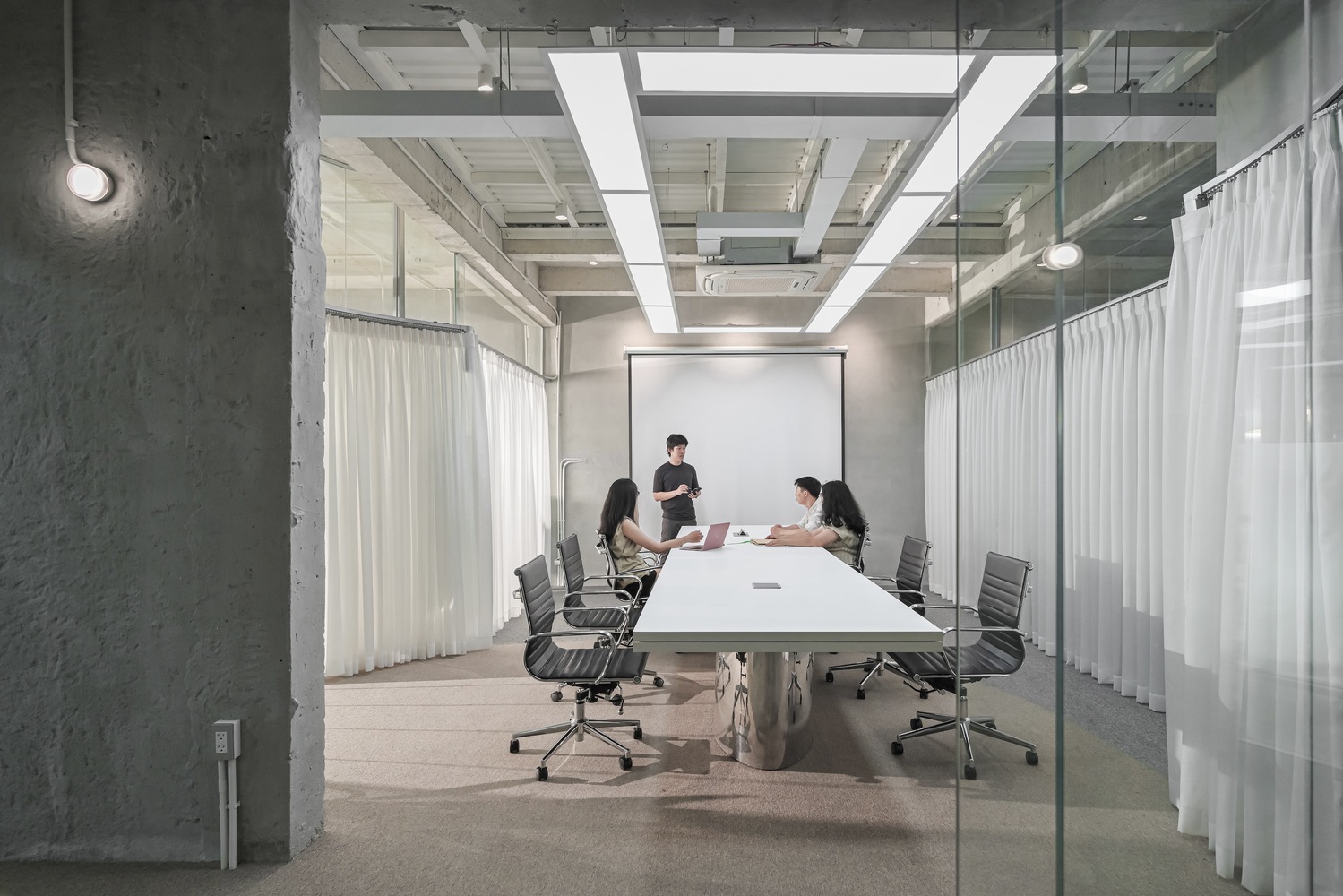
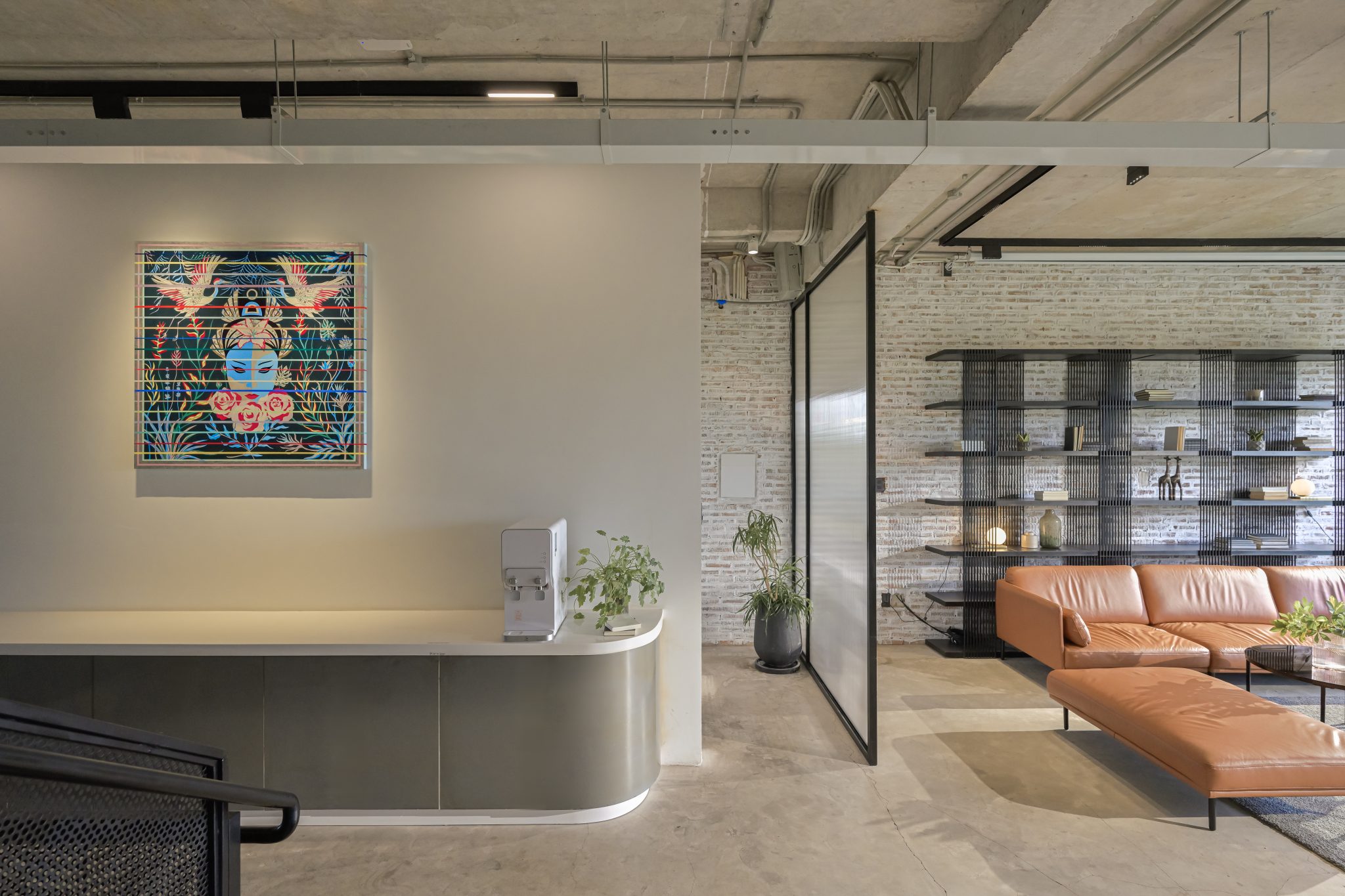
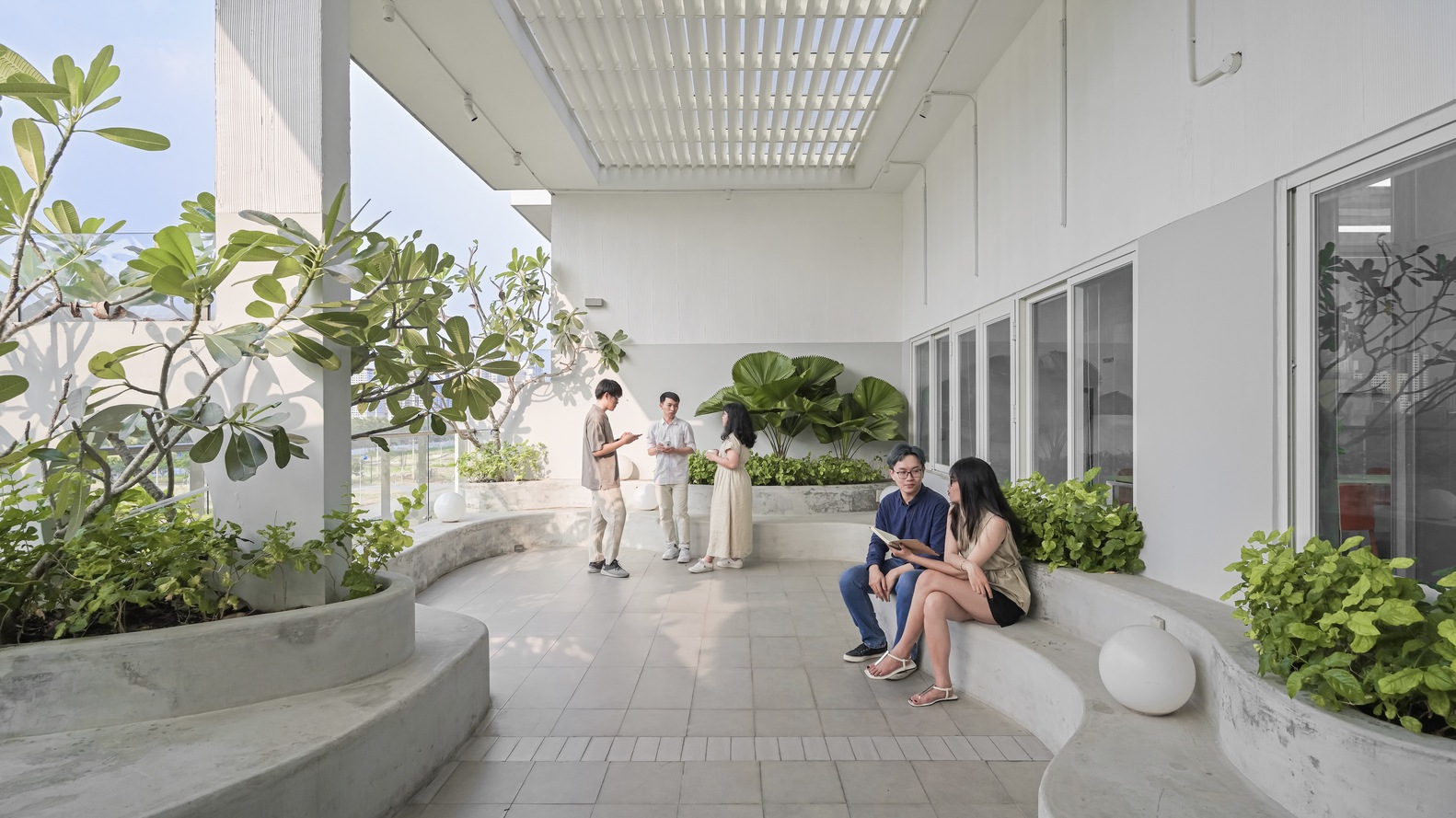
A suitable office should not be evaluated only by its size, design, or office rental price. Its actual operational value also depends on the office amenities provided, from reception services, meeting rooms, internet access, and parking to rest areas and safety standards. This article by Inspire Hub will help businesses explore essential office amenities, understand how costs are allocated, and choose a workspace model that matches their operational goals.
What are office amenities?
Office amenities are a combination of infrastructure, equipment, support services, and shared spaces that help businesses operate smoothly, safely, and professionally. A complete office amenities list includes more than desks, chairs, electricity, water, and internet. It may also include reception services, visitor areas, meeting rooms, pantry areas, printing spaces, cleaning services, security, parking, relaxation spaces, and administrative support services. In practice, office amenities are one part of a broader workspace that also includes the physical environment, tools, processes, and culture of a business.
What are the standards for office amenities?
An amenity is not considered suitable only because it is available. It must also be stable, safe, easy to use, and suitable for the business size. Important standards include:
- Availability, which means the amenity can be used when the business needs it
- Stability, especially for electricity, internet, air conditioning, elevators, and security systems
- Safety, which includes fire prevention and firefighting requirements, emergency exits, access control, and hygiene
- Suitability, which meets the number of employees, visitor frequency, and operational needs
- Transparency, which clearly states what amenities are included, the usage limits, and extra charges
- Professional quality, which is shown through the workspace standard, operational process, and support ability of the management team
- Flexibility, which allows the business to adjust as the team expands or staffing needs change
For example, a modern meeting room that is always fully booked does not provide suitable value. Similarly, high speed wifi that becomes unstable during peak hours can interrupt online meetings, data processing, or work with overseas headquarters.
The role of office amenities for businesses
Office amenities create the foundation that helps a business turn a simple place to work into an effective operating environment. For international companies that are entering the Vietnamese market, available support systems can also reduce the time needed to set up an office. The main benefits can be understood through four areas:
- Better employee experience: A well equipped workspace helps employees work more comfortably each day, with places to rest, eat, discuss work, and recover energy.
- A more professional image: Reception services, waiting areas, meeting rooms, and visitor spaces create a first impression when businesses meet partners, candidates, or customers.
- Lower operational burden: When electricity, water, internet, cleaning, security, and administrative support are managed properly, businesses can focus more resources on their core activities.
- Better budget control: Office models with all inclusive fees or clear cost structures help finance teams forecast cash flow more easily than managing many separate suppliers.
The current office amenity trends
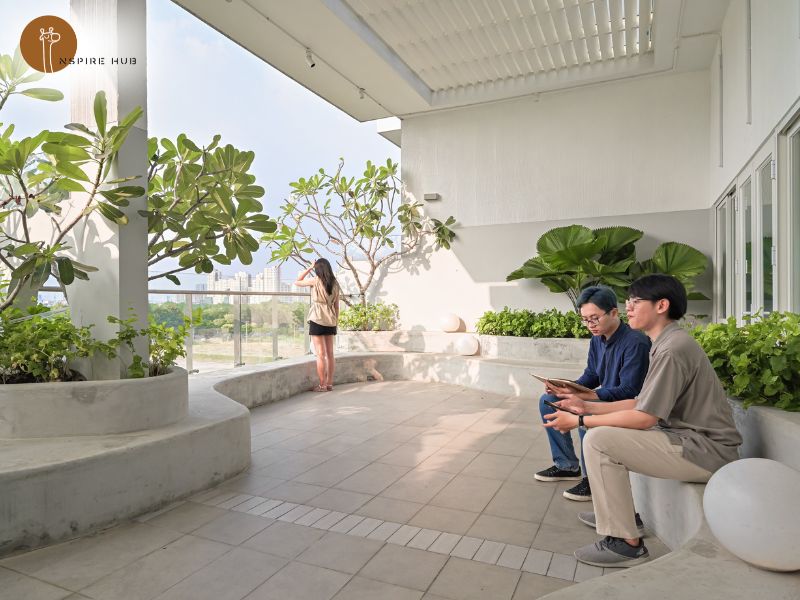
Current office amenity trends show that businesses no longer see amenities as extra features. Instead, office amenities have become part of the strategy to attract employees, build company culture, and optimize real estate costs. Key trends include:
- Flexible workspaces that support focused work, team meetings, private calls, and rest in one location
- Technology systems that support operations, such as smart office, stable internet, meeting room booking platforms, access control, and online meeting equipment
- Amenities that support mental and physical health, such as green spaces, relaxation areas, exercise spaces, and community activities
- Multi purpose pantry areas that support meals, internal discussions, small workshops, and team connection
- Designs that focus on natural light, ventilation, and visual comfort to create a more pleasant workplace
- Full service operation models that help businesses reduce the time needed to manage administrative tasks
This demand is clear among companies with young employees, technology companies, funded startups, and multinational businesses. These companies often need spaces that can expand quickly, support professional client meetings, and match hybrid working models.
Top 14 essential office amenities
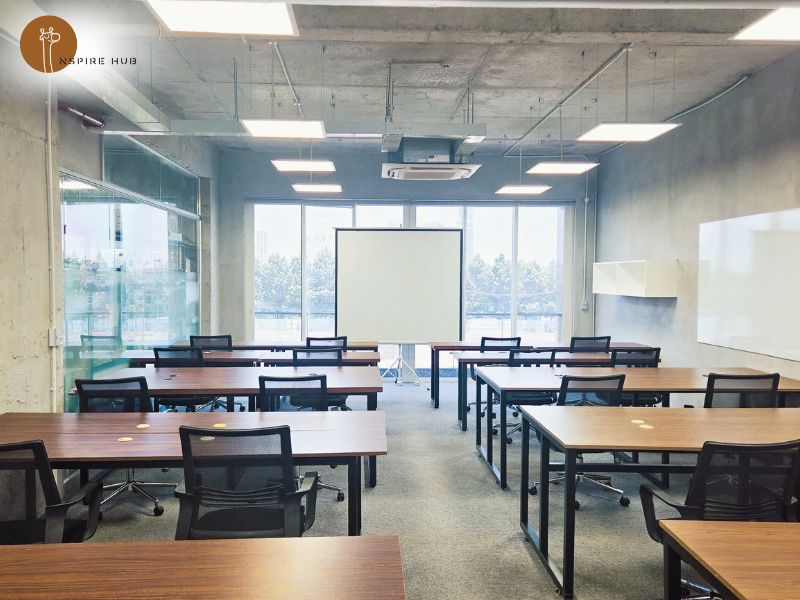
To explore office amenities in a practical way, businesses should assess each amenity group based on its impact on daily operations. Below is an office amenities list of 14 important items, together with key points to check before renting:
Reception services
Reception is the first point of contact for customers, partners, and candidates when they visit a business. A professional reception team can welcome guests, provide directions, receive mail, handle calls, and support basic administrative requests. For international businesses, professional communication skills and the ability to support foreign visitors should be priorities. Businesses should clearly ask about service hours, job scope, mail handling procedures, and after hours support policies.
Reception waiting area
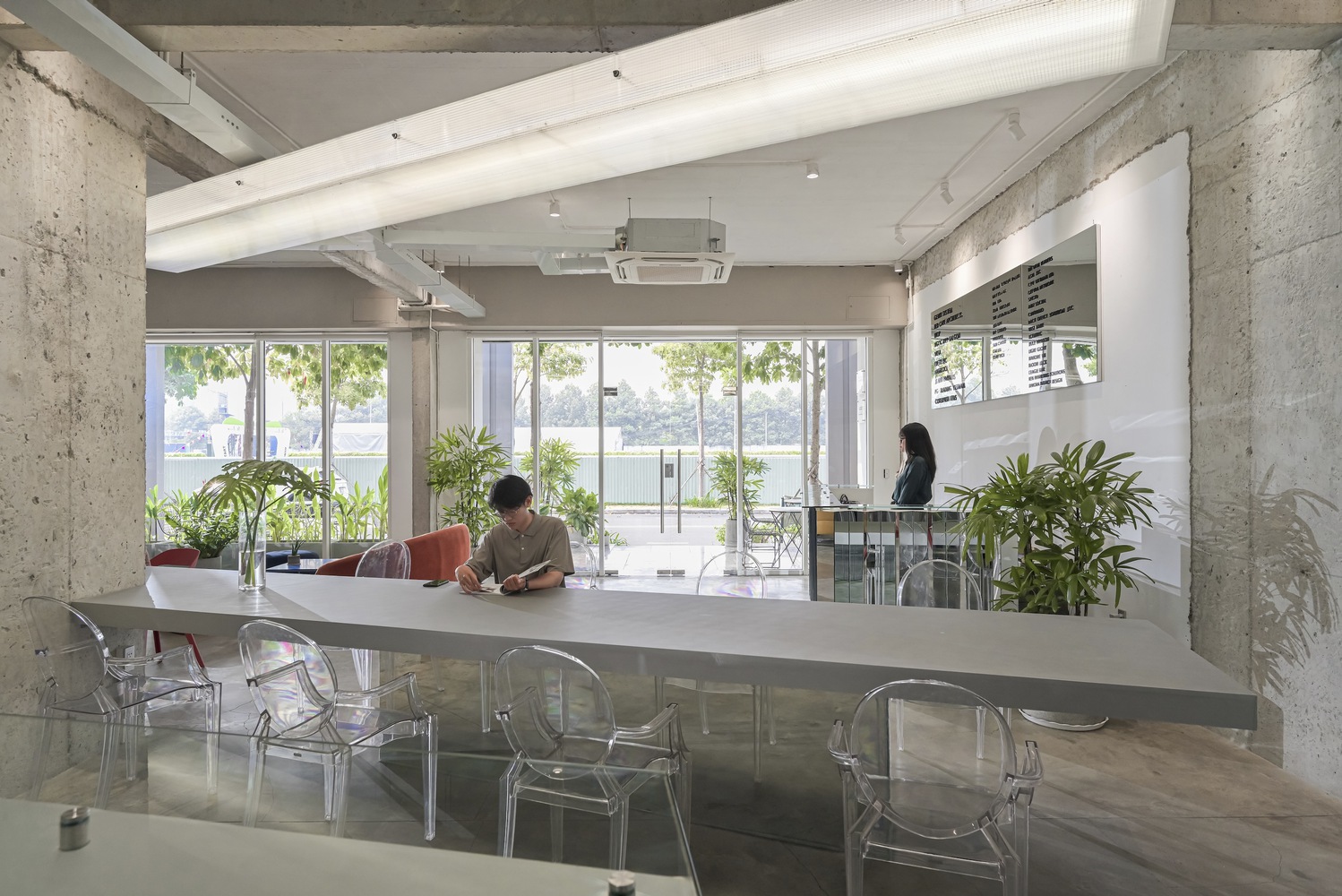
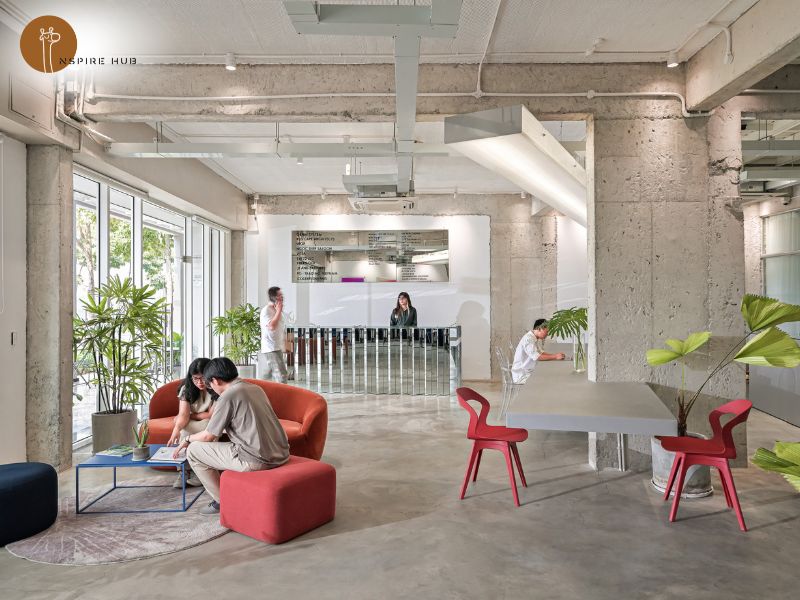
A waiting area helps show the brand position before an official meeting begins. This area should be clean, have enough seating, include a suitable design, and create a professional feeling for visitors. Businesses that often meet investors, import and export partners, or major customers should prioritize buildings with a well prepared reception lobby. A comfortable waiting area also reduces pressure on meeting rooms when guests arrive early.
Pantry and food area
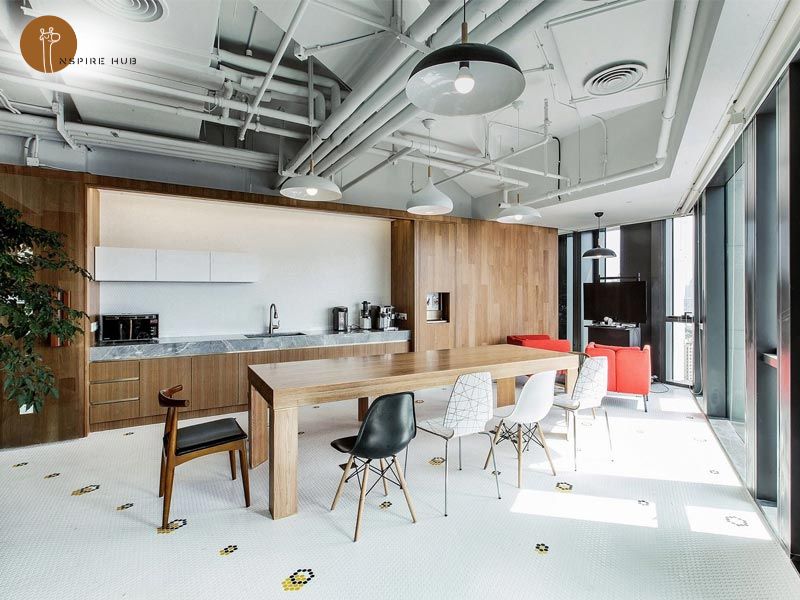
An office pantry does more than serve food and drinks. It is also a place where employees can take a short break, have informal conversations, and build stronger connections with team members. A useful pantry should provide drinking water, a basic food preparation area, suitable seating, and clear hygiene rules. In a flexible office model, businesses should confirm benefits such as tea, coffee, snacks, and the rules for using a shared kitchen.
Office desks and chairs
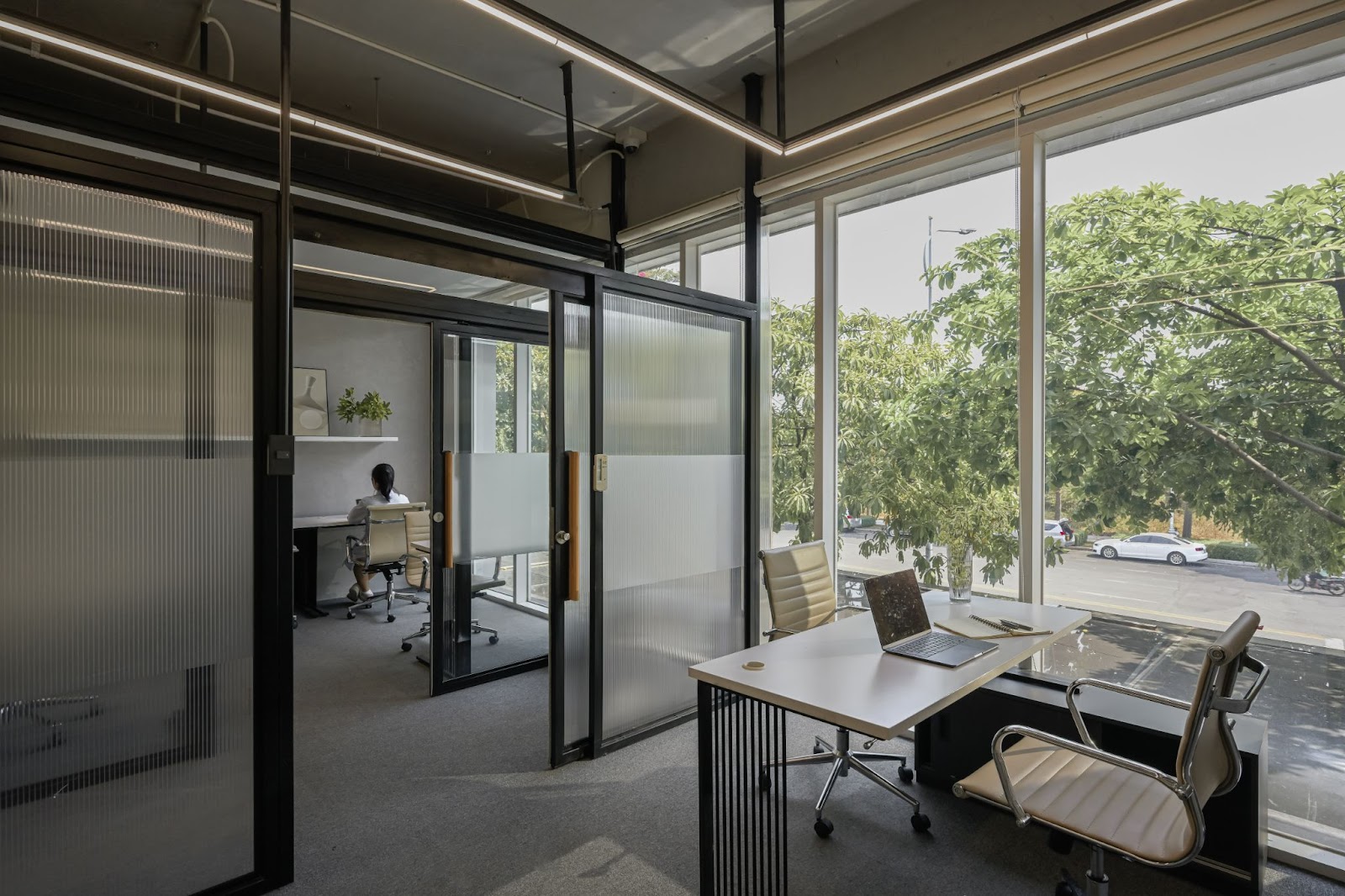
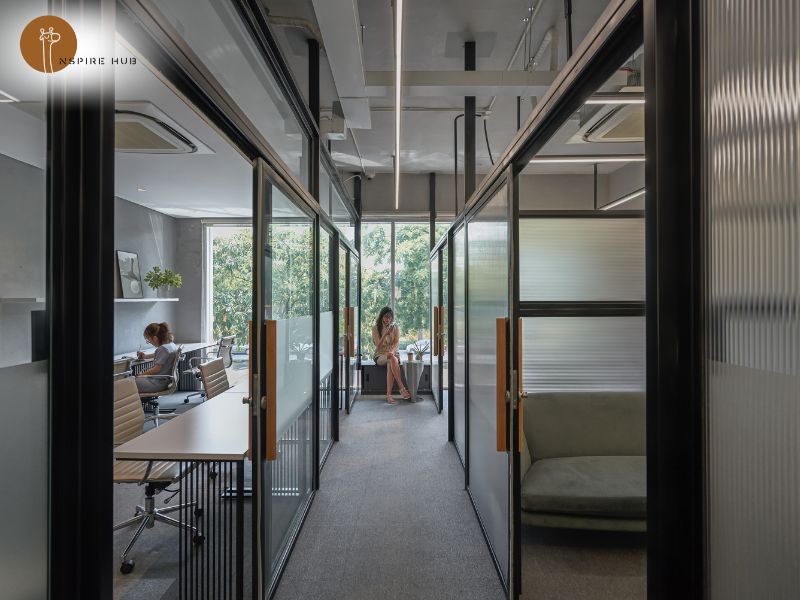
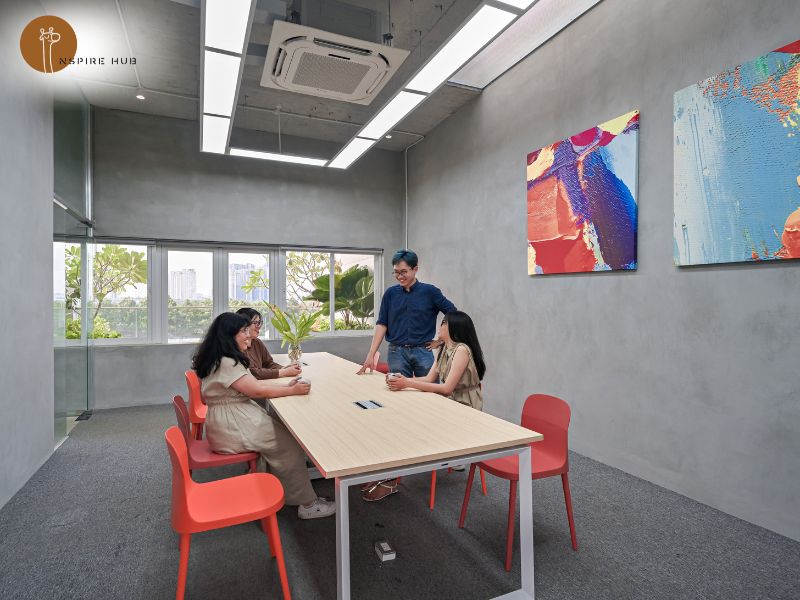
Desks and chairs directly affect employee focus, sitting posture, and work performance. The space should provide suitable desk sizes, chairs that support working posture, and a layout that allows easy movement. When renting a furnished office, businesses should check the number of seats, the condition of desks and chairs, storage cabinets, and the ability to adjust the layout based on actual needs. This is important for businesses that often change team size or need to arrange spaces for project groups.
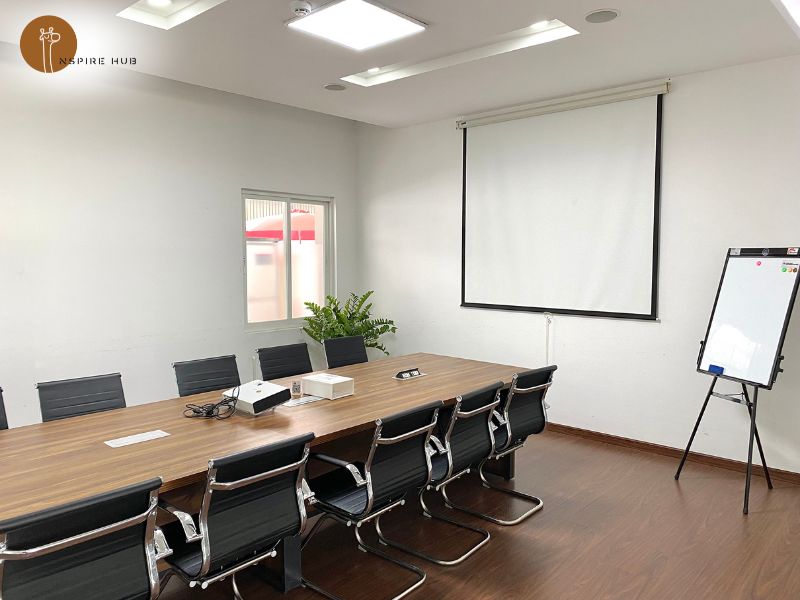
Meeting room area
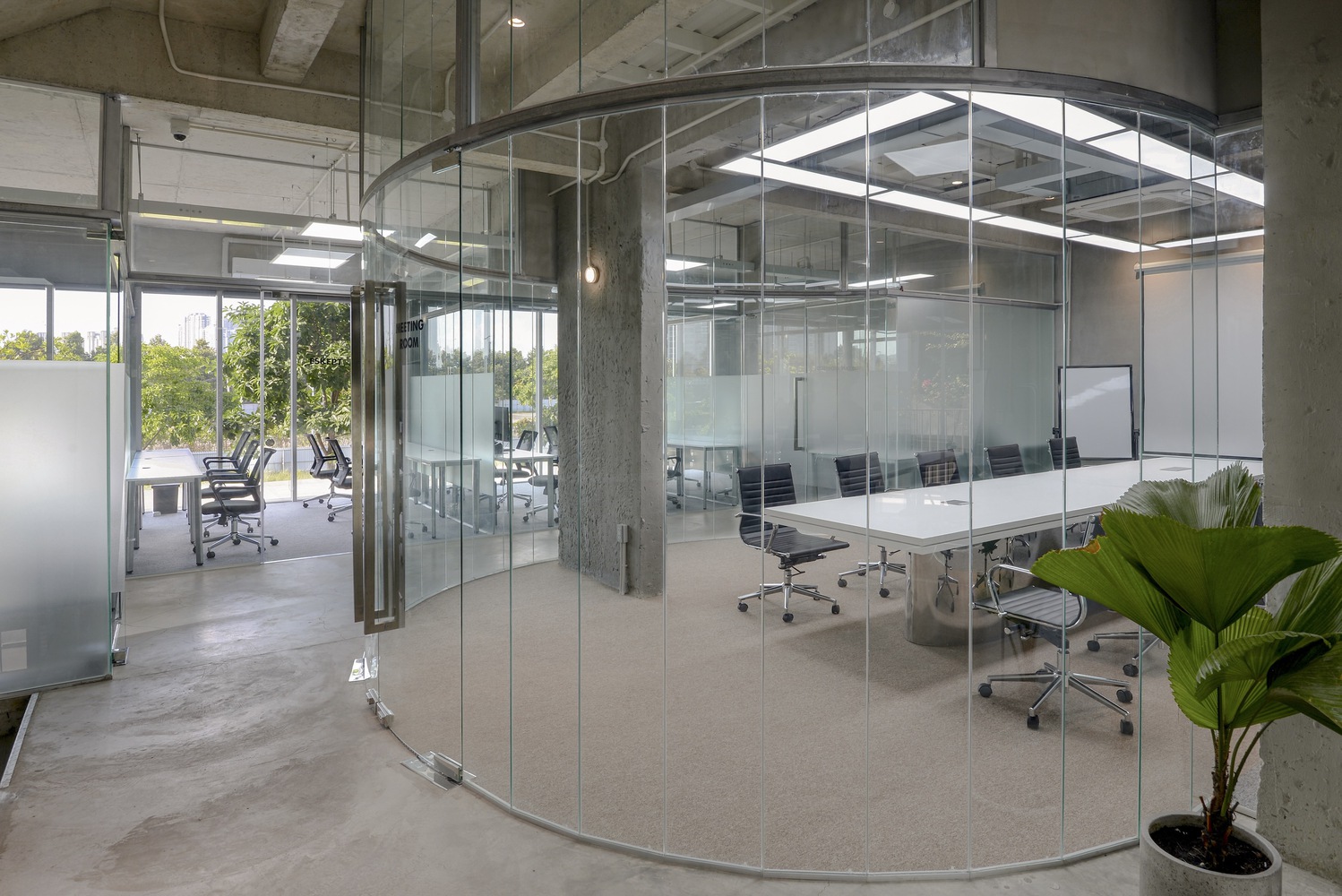
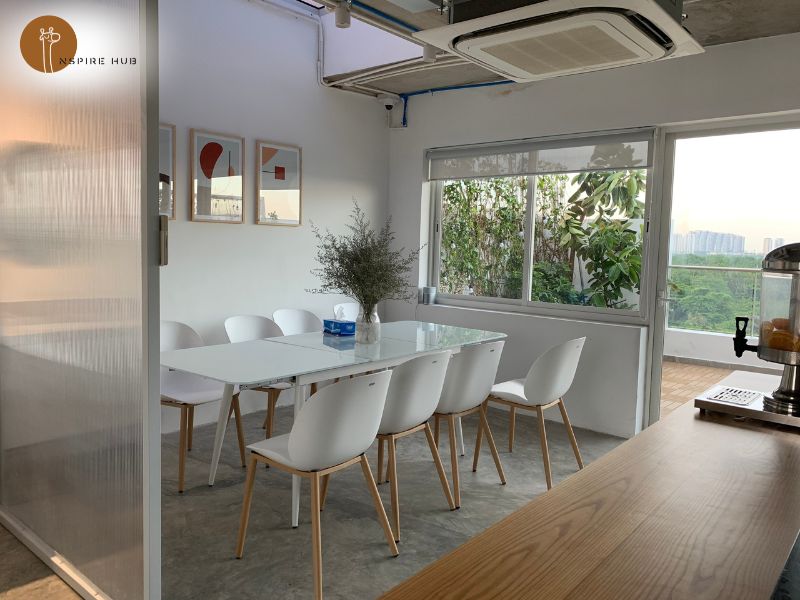
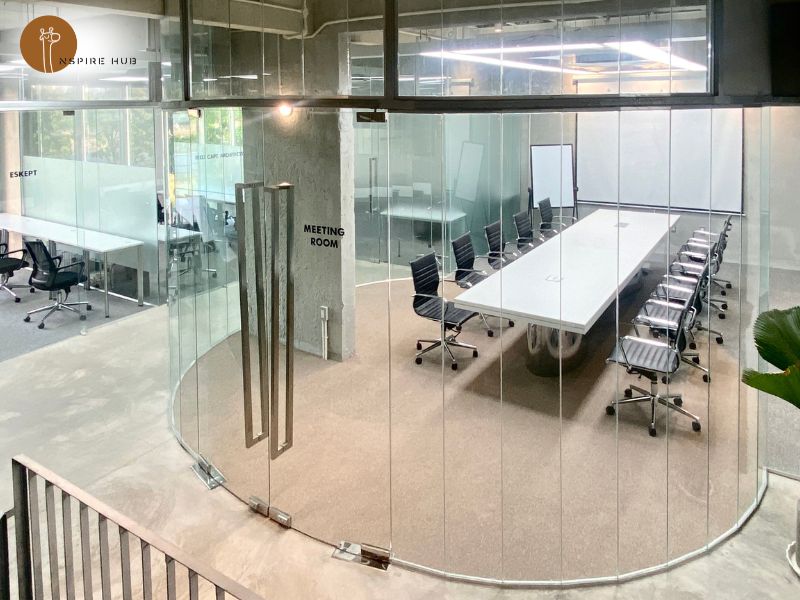
Meeting rooms are valuable office space amenities for B2B businesses. They are used for negotiations, interviews, strategy discussions, client presentations, and online meetings with international headquarters. Businesses should consider the following criteria:
- The capacity and number of meeting rooms
- The quality of screens, whiteboards, sound systems, and presentation equipment
- The level of soundproofing, lighting, and privacy
- The booking process, free usage time, and extra charges
- The ability to support online meetings with a stable connection
High speed and stable Internet
The Internet is an essential infrastructure for every modern office. For technology companies, data teams, businesses with overseas headquarters, or teams that often join online meetings, stability is more important than the advertised speed. During a site visit, businesses should ask about the provider, bandwidth, backup options, wifi coverage, and the ability to arrange a private connection when needed. The connection should be stable enough for video meetings, cloud system access, large file transfers, and continuous communication with partners in different time zones.
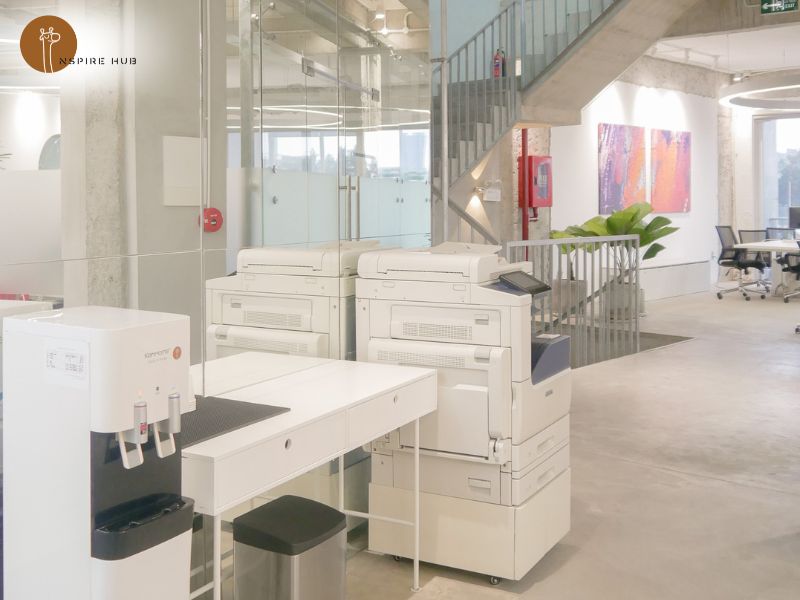
Printing and document scanning area
Although work processes are becoming more digital, printing and scanning are still necessary for many activities, such as signing contracts, preparing company records, presentation documents, import and export documents, and project files. The printing area should have stable equipment, suitable security procedures, and clear usage policies. Tenants should ask about the free printing limit, fees for extra printing, color printing support, and how urgent technical problems are handled.
Workspace cleaning services
Office cleaning affects employee health, the business image, and the experience of visitors. The service should include cleaning shared areas, waste handling, cleaning desks based on the agreement, and keeping functional areas tidy. Businesses should check the cleaning frequency, service schedule, and response process for unexpected requests. For businesses that often welcome visitors or follow high management standards, cleaning quality should not be reduced only to lower rental costs.
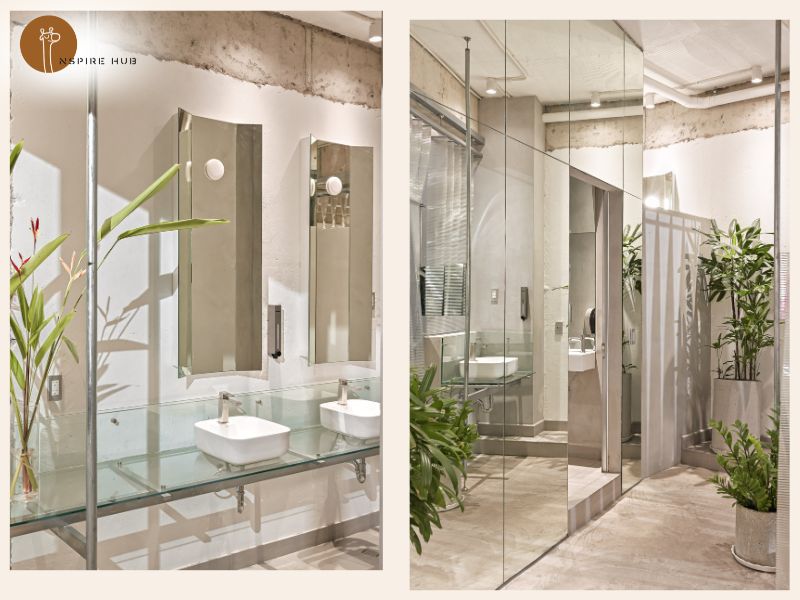
Restroom area
Restrooms are often overlooked when evaluating office space, but they clearly show the quality of building management. This area should have enough facilities, remain clean, provide ventilation, receive regular maintenance, and include essential supplies. If the office supports a large number of employees or often holds meetings, businesses should observe how convenient the area is and whether it can serve users during peak hours. A friendly, bright, and well maintained design also improves the overall feeling of the working environment.
Elevators
In multi floor buildings, elevators directly affect the travel time of employees and visitors. A suitable elevator system should have enough capacity, receive regular maintenance, operate reliably, and reduce long waiting times during peak hours. Businesses should experience the travel process during early morning, lunchtime, or the end of the day. If the company often welcomes visitors, this issue becomes more important because it affects the experience from the moment guests enter the building.
Electricity and lighting systems
Lighting strongly affects focus, visibility, and how people feel about the space. An office should combine natural and artificial light in a balanced way while reducing glare, dark areas, and screen reflections. The electrical system must also provide enough capacity for computers, meeting equipment, printers, and other operational needs. Tenants should clarify the electricity use policy, air conditioning operating hours, and cost rules for working after regular hours.
Fire safety and security systems
Fire safety and security are office amenities that must be assessed carefully. Businesses should prioritize buildings with fire alarms, firefighting equipment, emergency exits, safety signs, and clear response procedures. Office buildings subject to fire prevention and firefighting management must comply with applicable safety requirements. For security, businesses should consider guards, cameras in suitable areas, visitor control procedures, after hours access, and key or access card systems. For companies handling important documents, customer data, or investment information, these systems provide a foundation for reducing operational risks.
Safe parking area
Parking is an amenity that has a major impact on rental decisions, especially for businesses with senior managers, international partners, or customers who often travel by car. A suitable parking area should be easy to access, safe, clear about costs, and able to serve the building size. Besides the parking location, businesses should also assess traffic flow around the building, guest pick up and drop off options, the time needed to find a parking space, and solutions for visitors. This may seem like a small detail, but it can greatly affect the experience of meeting partners.
Other added value amenities
Besides core items, added value amenities help businesses create a more attractive working environment and meet more needs during the day. The following modern office amenities should be considered based on company culture and workforce needs:
- Gym area: An exercise area or workout corner helps employees maintain physical activity, especially office teams that sit for long periods. This amenity is suitable for businesses that care about health and work life balance.
- Rest area: A short rest area helps employees step away from screens, recover energy, and return to work with better focus. This space should be separated from the focused work area to avoid disturbing other people.
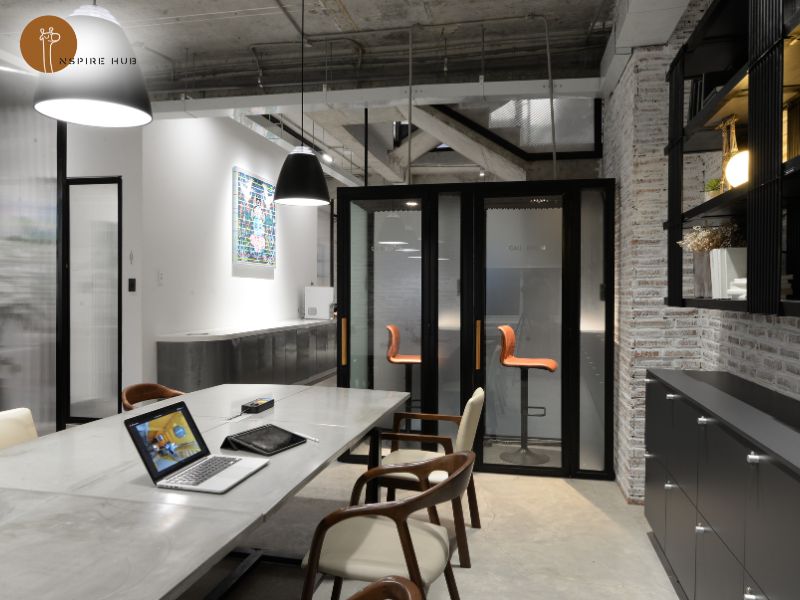
- Phone booth: A phone booth is a private space for phone calls or online meetings. It is useful for employees who need to speak with clients, interview candidates, join video meetings, or handle sensitive information without affecting the shared workspace.
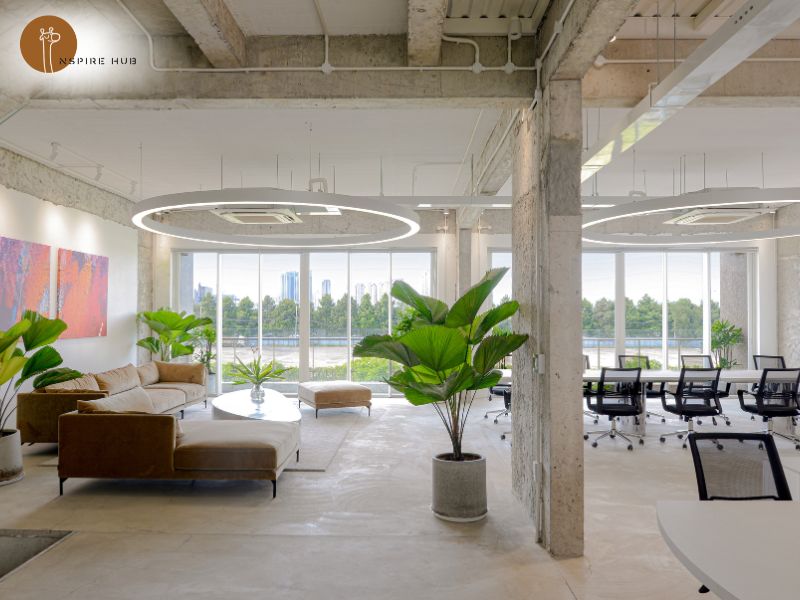
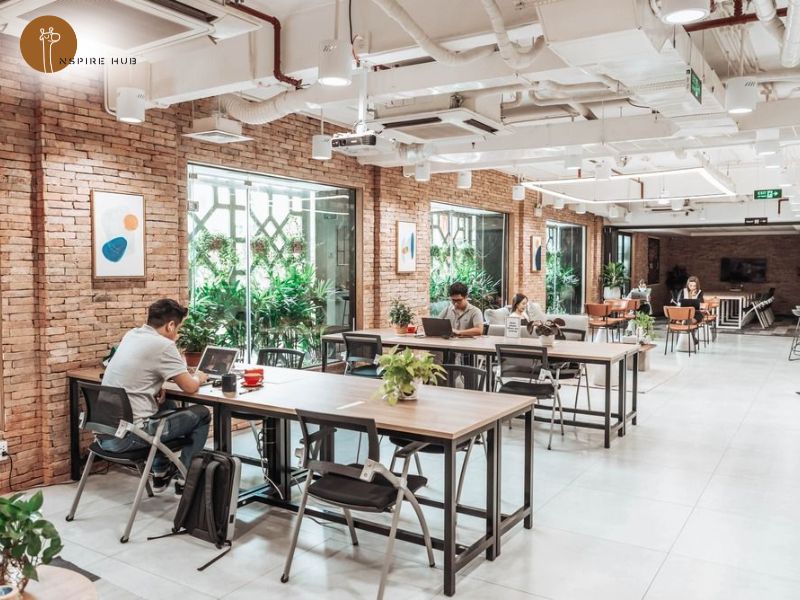
- Green space: Plants, balconies, outdoor areas, or open views can make an office more pleasant. Green space supports long working hours and can help businesses create a better office experience for employees.
- Wellness services: Some workspace operators organize activities such as workshops, yoga, running, tea breaks, or community programs. The value of these amenities comes from connecting employees and supporting their wellbeing, rather than being only formal activities.
How do office amenities differ between grade A, B, C offices?
Grade A, B and C classifications often reflect the overall quality of a building, including its location, architecture, operational management, infrastructure, and amenities. However, the market does not have one single classification standard that applies equally to every building, so businesses should make a practical assessment instead of relying only on a grade label. The table below presents important office space amenities to consider across office grades:
| Criteria | Grade A Office | Grade B Office | Grade C Office |
| Location | Usually located in areas with strong connectivity and high brand visibility | Convenient location, but it may be less central or have lower connectivity | Usually focuses on lower costs and may be farther from central areas |
| Technical infrastructure | Technical systems, security, and operations are developed to a high standard | Meets basic professional operational needs | Sufficient for normal operations, but investment may be more limited |
| Amenities | More diverse and may include premium lobbies, meeting rooms, management services, food and beverage areas, or internal amenities | Provides essential amenities, but the range and quality depend on each building | Mainly focuses on basic amenities |
| Operational management | Professional processes with high service quality requirements | Has a management team, but quality depends on the operator | May be more basic and should be checked carefully |
| Rental cost | Usually higher because of the location, image, and operational standards | A balance between cost and quality | Usually suitable for businesses with cost saving budgets |
Based on this comparison, businesses do not always need to rent a Grade A office if their actual needs do not require it. A well managed workspace with suitable amenities, convenient transportation, and transparent costs can create better results than an expensive option that does not match the working model.
How to choose suitable office amenities for your business
Choosing office amenities should begin with the operating model to identify which items are necessary, recommended, or only additional. Businesses can use the following five step assessment process:
- Identify team size and work needs: Businesses should estimate the current number of employees, expected growth rate, office attendance level, and need for private office space.
- Analyze visitor frequency: Companies that often meet investors, international partners, or major customers should prioritize reception services, waiting areas, meeting rooms, and convenient parking.
- Check technology needs: Technology companies, data companies, and cross border teams should carefully assess internet access, backup power, security systems, and online meeting capacity.
- Clarify office amenity costs: Businesses should request a quotation that clearly shows rent, management fees, electricity, water, internet, after hours air conditioning, meeting rooms, printing, parking, and other additional charges.
- Visit and test the actual experience: Businesses should visit the office during peak hours, test the internet connection, experience shared areas, observe security systems, and speak directly with the operational team.
For businesses that are new to Vietnam, choosing a workspace with ready infrastructure and operational services can reduce initial investment pressure. In contrast, companies with high branding or security requirements should prioritize space customization, access control, and private meeting rooms.
Inspire Hub provides flexible workspaces with full office amenities at competitive prices
Inspire Hub provides flexible workspace solutions for businesses from small teams to large groups, including private room, workstations, serviced offices, and spaces that match operational needs. Inspire Hub also provides solutions for teams from one to more than 100 employees, while allowing businesses to choose between coworking spaces, core offices, and traditional office models.
At Inspire Hub, office amenities are designed to help businesses operate more conveniently. These amenities include visitor spaces, meeting rooms, pantry areas, high speed internet, printing areas, reception support, and shared spaces. Inspire Hub also provides other benefits, such as 24 hour access, car parking, and high speed wifi within its workspaces.
For international businesses, the advantage of this model is the ability to start operations quickly, reduce administrative work, and maintain a professional experience when meeting partners. Inspire Hub also provides workspaces in the Sala Urban Area, with flexible designs, green spaces, and amenities that support work, meetings, and rest. Businesses can speak directly with Inspire Hub to identify a suitable model based on team size, budget, privacy needs, meeting room usage, and future expansion plans.
Frequently asked questions about office amenities
What is an amenity room?
An amenity room is a space arranged to serve a specific need outside the main desk area. Depending on the building or office model, an amenity room may be a pantry, meeting room, printing room, rest room, phone booth, mother and baby room, exercise area, or relaxation area. Businesses should ask whether the amenity room is shared or private, whether booking is required, and whether there are additional usage fees.
Are office amenity costs included in rent or charged separately?
This depends on the rental model and the policy of each office provider. In a traditional office, businesses usually pay separately for management fees, electricity, water, internet, cleaning, security, furniture, and many other items. In serviced offices or coworking spaces, many office amenities may be included in the monthly fee. However, some services, such as meeting room use beyond the free limit, large printing volumes, parking, after hours air conditioning, or customized services, may be charged separately.
Before signing the agreement, businesses should request a detailed cost schedule that clearly states:
- Items included in the rental fee
- Free usage limits
- Unit prices for additional amenities
- Taxes and deposit requirements
- Price adjustment policies during the agreement term
Can businesses request the building owner to add specific amenities?
This depends on the available infrastructure, rental type, agreement term, and the policy of the building owner or operator. Common requests include additional desks and chairs, filing cabinets, meeting equipment, company signs, a private internet connection, layout changes, more seats, or a storage area. To ensure that the request is handled effectively, businesses should clearly describe the required item, quantity, required date, and expected budget. Customized items should usually be confirmed in writing, including the cost, implementation time, maintenance responsibilities, and handover conditions when the lease ends.
In summary, office amenities are an important part of the decision to rent a workspace. Suitable office amenities help businesses optimize operations, reduce initial investment costs, improve employee experience, and create a professional image for partners. If your business is looking for a flexible workspace in Ho Chi Minh City with complete office amenities, contact Inspire Hub via hotline 079 777 4 777 to discuss your actual needs, visit the space, and choose an office solution that matches your team development plan.