

 Tiếng Việt
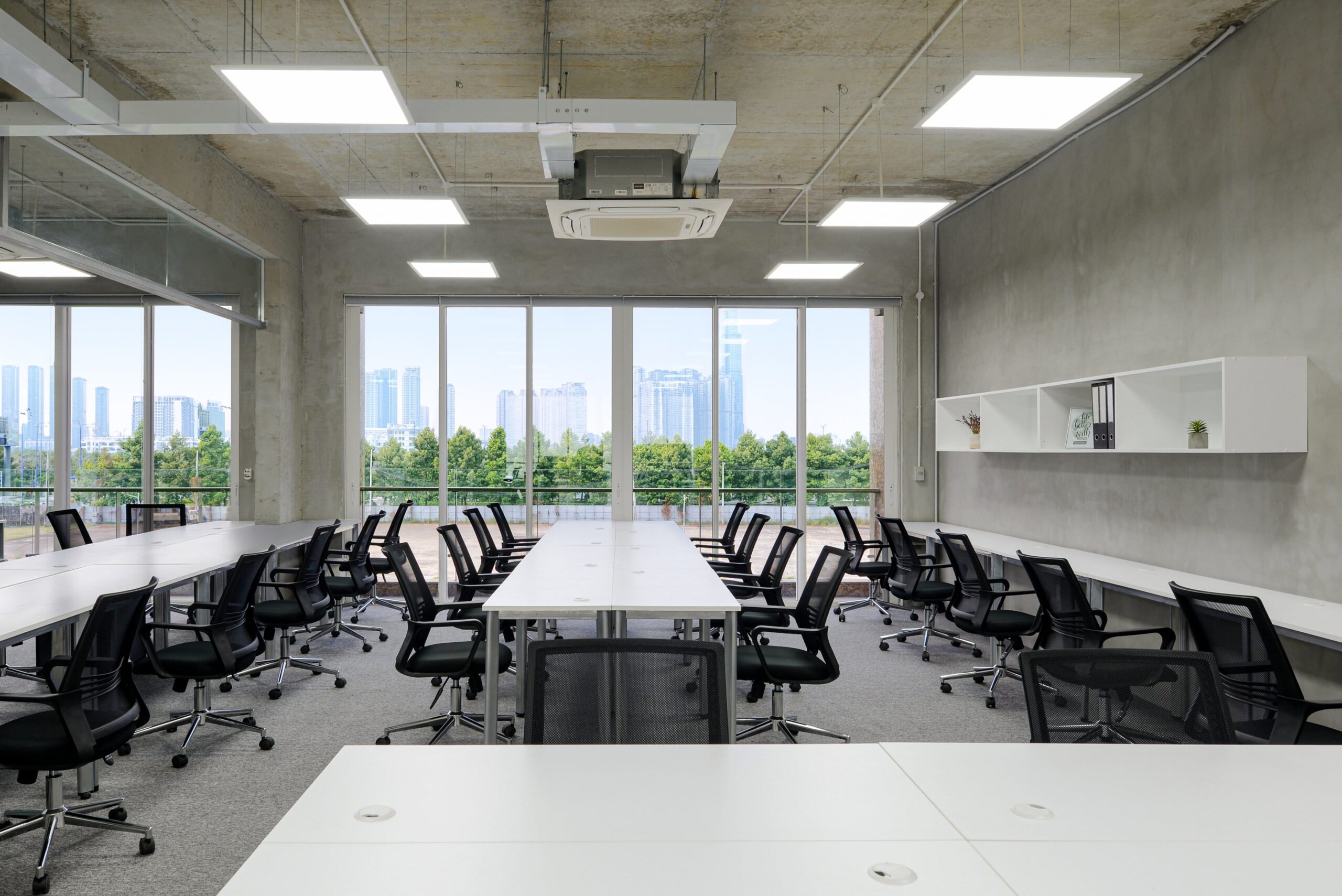
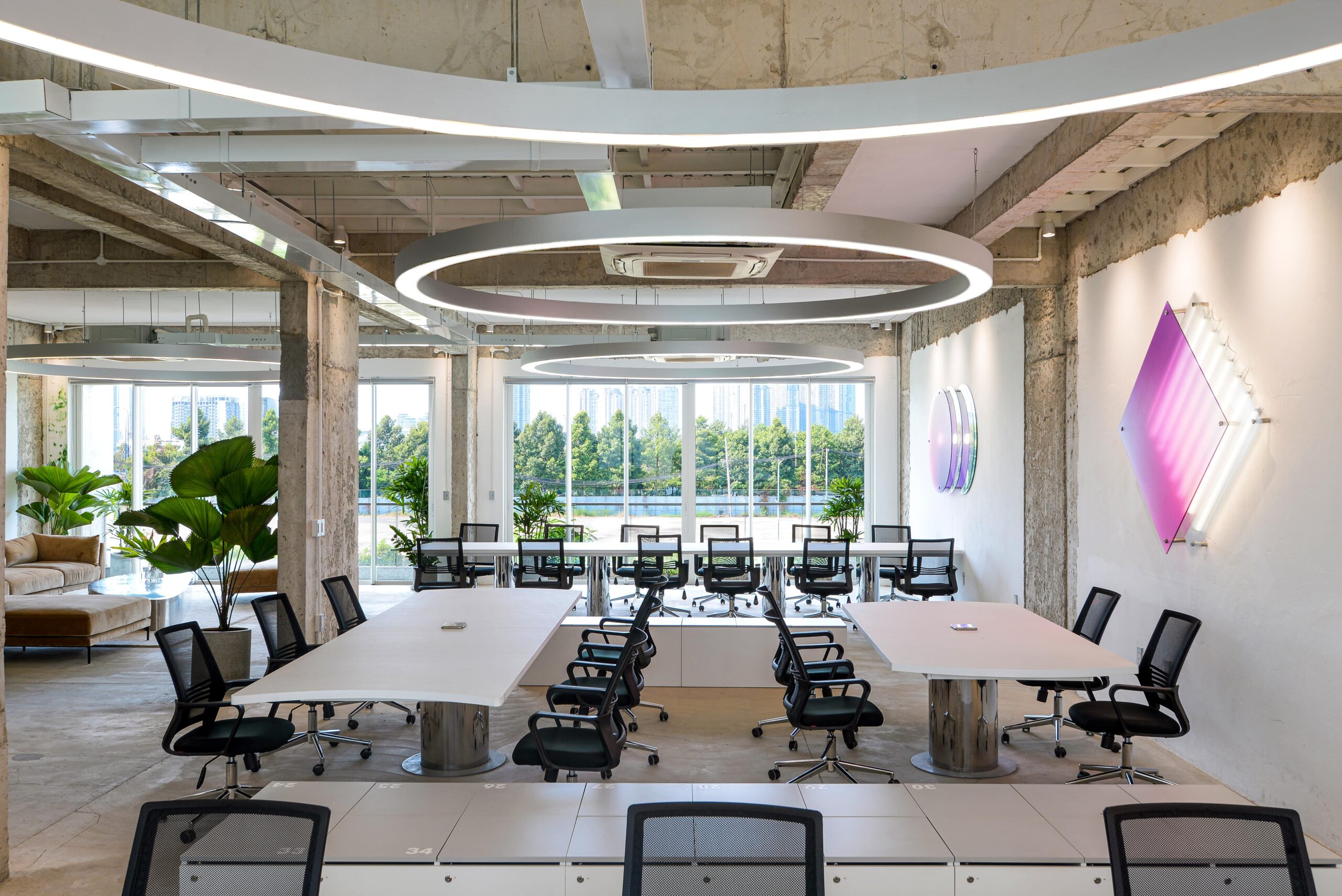
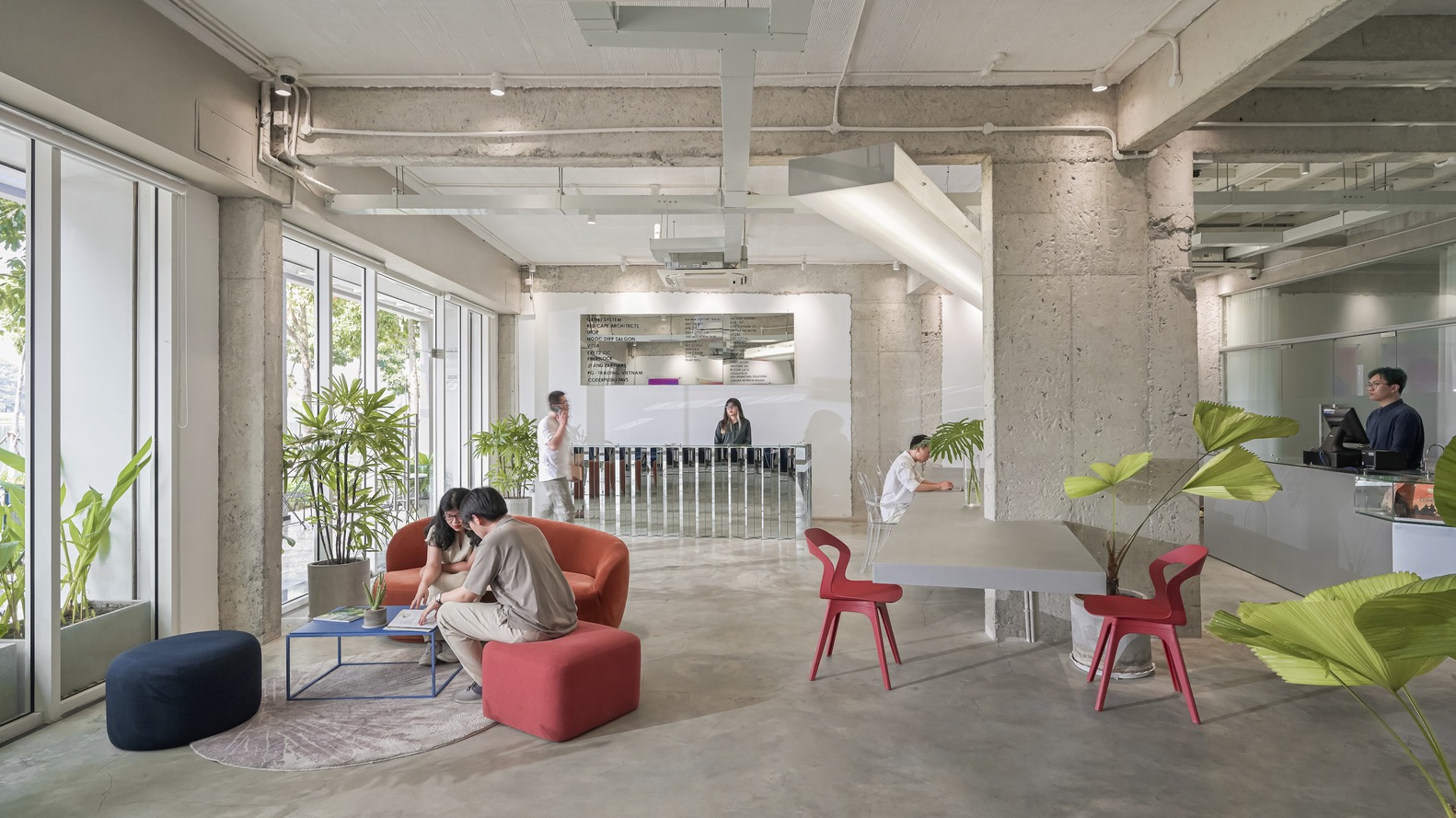
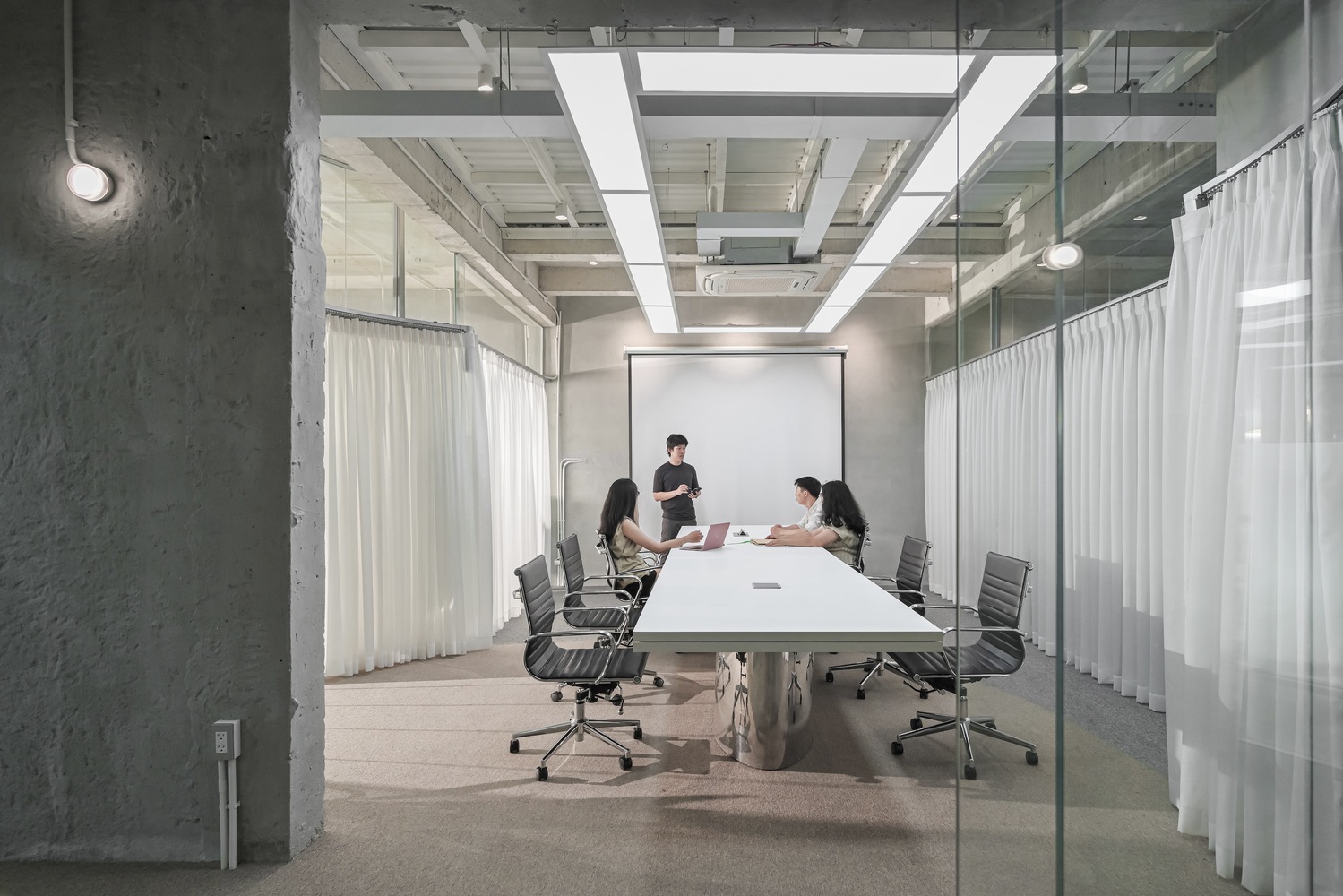
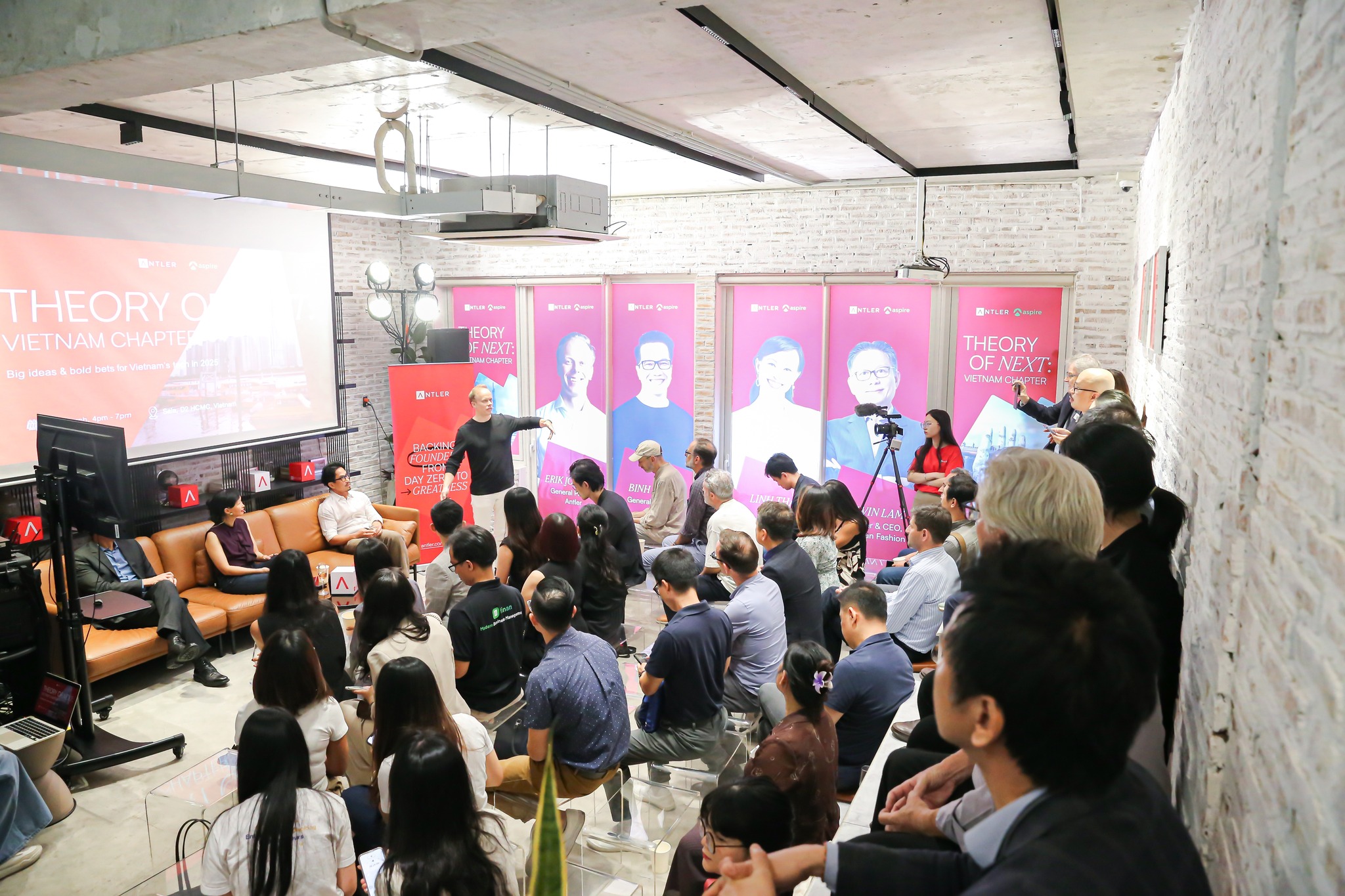
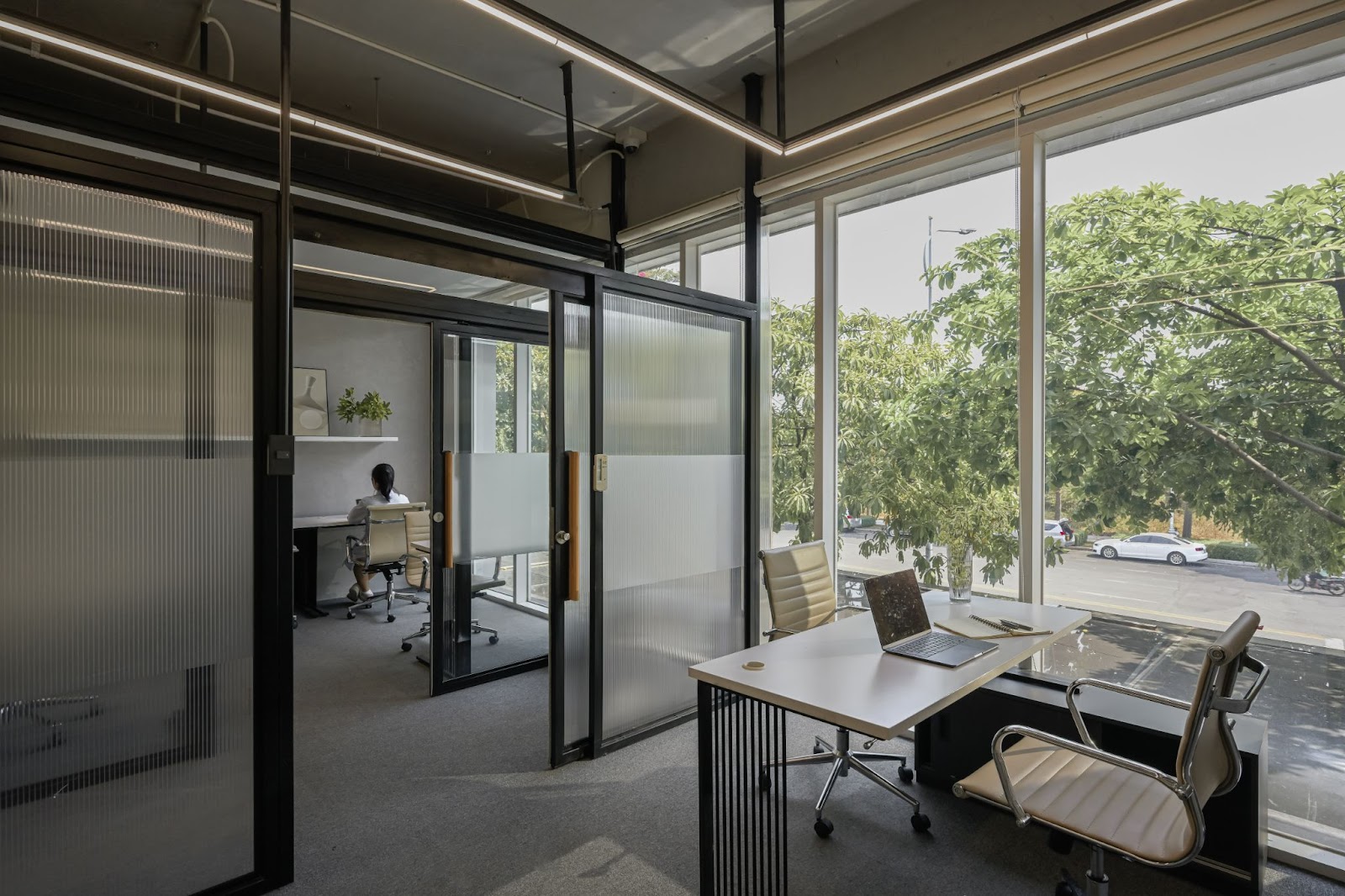
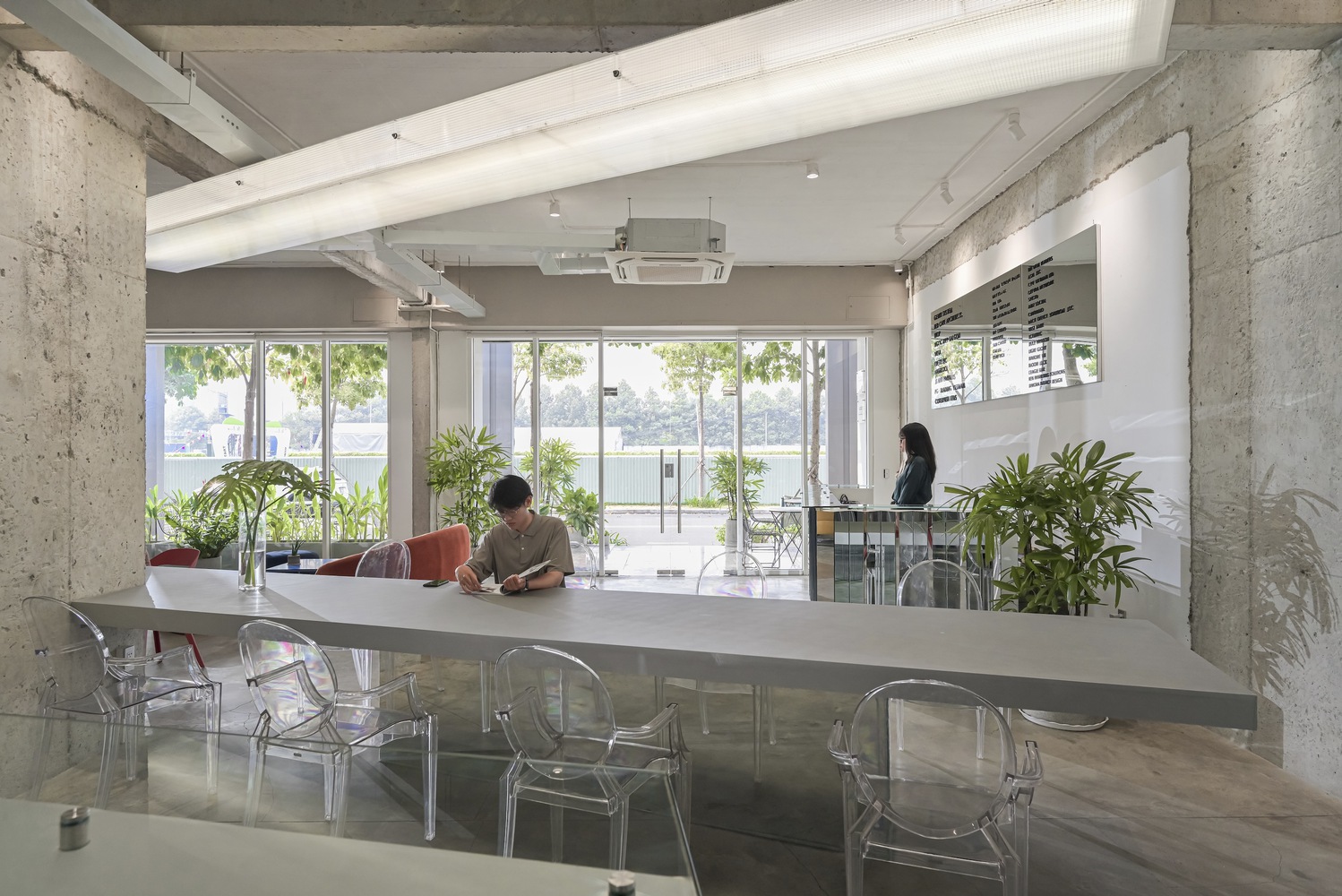
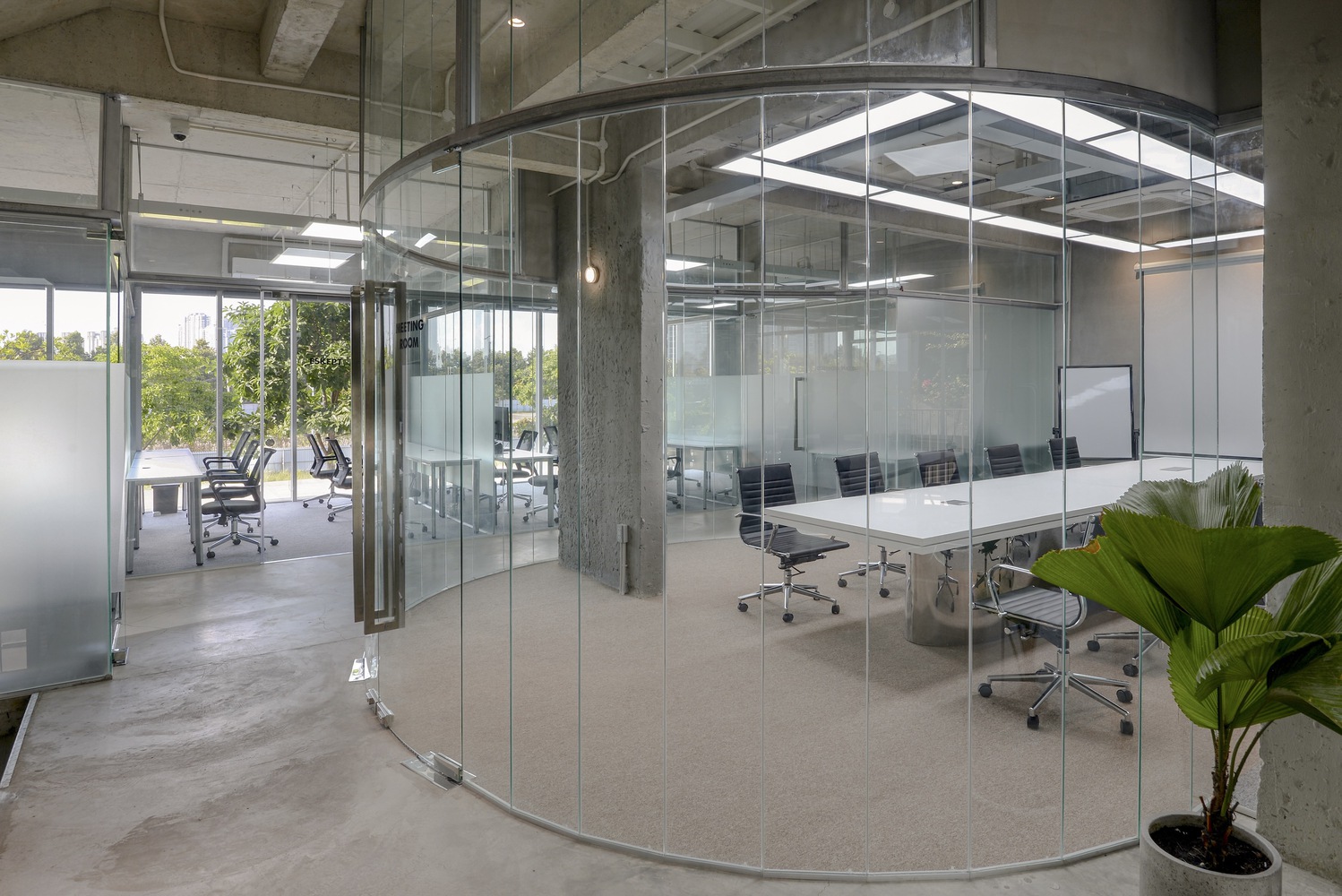
When entering a new market, many companies start with a small satellite office before making a larger investment. This approach can lower initial costs and give the company more time to understand the local market. In this article, Inspire Hub will explain what a satellite office is, its main benefits and challenges, and the current growth of this office model in Vietnam.
What is a satellite office?
A satellite office is a small company office in a different location from its main headquarters. It usually works closely with the main office and supports specific business goals. A satellite office may focus on a few key tasks, such as:
- Sales
- Customer service
- Product development
- Local market research
- Business representation in a new area
For international technology companies, venture capital funds, and foreign architecture firms, a satellite office can be a practical first step into a new market. The decision may affect how quickly the company enters the market and how well it uses its starting budget.
Benefits of a satellite office for businesses
The satellite office model can bring several clear business benefits. The four main benefits are lower costs, greater flexibility, better support for hybrid work, and wider access to talent.
Lower operating costs
Compared with expanding a head office or opening a large branch, a satellite office can give a company access to locations with lower rental and labor costs (The Executive Centre, 2025). Many companies choose satellite office space inside a coworking space or serviced office. This helps them avoid large initial costs for furniture, technical systems, and complex office setup.
Greater flexibility in business operations
One important benefit of satellite offices is the ability to change office size based on real needs. A company may not need to sign a long-term lease like it would for a traditional office. It can add or reduce workspace as its local team changes. This structure also supports the hub-and-spoke model. In this model, the main headquarters acts as the central hub, while smaller satellite offices connect teams in other locations. For foreign companies testing the Vietnamese market, this flexibility reduces risk. They can change their plans without losing a large amount of money if business needs change.
Better support for flexible and hybrid work
A satellite office can support a hybrid working strategy. Employees can work from an office closer to home instead of travelling to the main office every day. According to a Gallup report cited in a 2026 workplace trends study, 52% of employees who can work remotely are using a hybrid model (Neat, 2026). This shows growing demand for smaller and more flexible workplaces in different locations. Global flexible office data also shows a gap between actual and planned office use. Average global office use was 54%, while companies had a target of 79% (JLL, 2026). This helps explain why many companies use smaller satellite offices instead of keeping one large office with many empty desks.
Better access to talent
Opening satellite offices near where skilled people live can help companies recruit talent without asking employees to move home (The Executive Centre, 2025). This benefit is especially useful in sectors that need specialist skills, such as technology, architecture, and investment analysis. Suitable candidates may live in different parts of a city or region. An office closer to home can also reduce travel time and improve work-life balance. For technology companies and investment funds competing for senior talent in Vietnam, a satellite office may support recruitment together with salary and employee benefits.

Challenges of using satellite offices
Satellite offices offer flexibility, but they also create management challenges. Companies should prepare clear systems for reporting, communication, teamwork, and quality control.
Divided resources and less direct supervision
When a company has several workplaces, managers may find it harder to follow performance and company culture at each location. Management resources, team leaders, and reporting tools must support more than one office. Without one central reporting system, company leaders may not see problems at each location early enough.
Communication and coordination problems
The distance between satellite offices and the main headquarters can make internal communication more difficult. Online meetings and collaboration tools can help. However, less face-to-face contact may still slow information sharing and make it harder to build strong working relationships between departments. For projects that need close teamwork across several departments, physical distance may cause delays or misunderstandings.
Uneven work quality
A small satellite office may not have the same specialist support as the main headquarters. Employees may need to handle tasks outside their main area of skill. This can increase pressure and lead to uneven work quality across locations. Employees may also feel less connected to the main company culture. Without a clear plan for team connection, this distance can reduce motivation.

Which businesses can benefit from a satellite office?
The satellite office model is suitable for companies that want to test or expand into a market at a reasonable cost. It can be a good choice for the following groups:
- International technology companies: Companies entering Southeast Asia, including Ho Chi Minh City, may use a satellite office to test the market before making a larger investment. The office can be opened quickly with lower starting costs.
- Venture capital funds and international investors: These organizations need a professional place to meet partners, review projects, and build local business relationships. They may prefer flexible satellite office space without a long lease.
- Foreign architecture firms: A satellite office can receive clients and present project plans in Vietnam, while the main design team remains at the overseas headquarters.
- Import-export, industrial, and construction businesses: A satellite office can give these companies a local presence near ports, industrial parks, or logistics centres. They do not need to invest in a large permanent office at the start of market entry.

Growth of the satellite office model
Vietnam’s coworking and flexible workspace market is growing, which supports the development of satellite offices. According to Vietnam Investment Review, the coworking market in Ho Chi Minh City recovered strongly in 2024 after a slower period. New projects continued to open, including spaces outside the city centre for young companies and technology start-ups (VIR, 2025).
The hub-and-spoke model is also becoming a common global office strategy. A company keeps one central headquarters and adds smaller satellite offices in other areas. Industry research predicts that flexible workspace may represent about 30% of total office space worldwide by 2030 (Serendipity Labs, 2025). This reflects a move from one large central office to a more flexible network of workplaces.
In Vietnam, new urban areas can be attractive locations for foreign companies that need a satellite office. These areas may offer modern infrastructure, lower building density, and convenient connections to business and financial centres. This type of location may help companies manage costs while providing a high-quality workplace for international teams entering Southern Vietnam.
Frequently asked questions about satellite offices
How many people usually work in a satellite office?
A satellite office may provide a few hot desking or space for several dozen employees. The right size depends on the company’s business goals (The Executive Centre, 2025). A company testing a new market may start with about 3 to 15 people. A company with a long-term growth plan may use a larger satellite office space for several dozen employees.
Is a satellite office different from a branch office?
Yes. A branch office is often a full business unit with its own management and many business functions. It may work almost independently from the main office. A satellite office is usually smaller. It focuses on a limited number of tasks and stays closely connected to the headquarters for important decisions.
Does a satellite office need legal registration in Vietnam?
The legal requirements depend on how the satellite office operates in Vietnam. If it operates as an official representative office or branch, the company must follow registration rules under Vietnamese business law and regulations for foreign investment. If a company only uses a coworking space as a temporary workplace without creating a separate legal business unit, it should ask a qualified legal adviser which registration duties apply to its situation.
What should a company look for in satellite office space?
A company should consider location, lease flexibility, internet quality, meeting rooms, security, reception support, and room for team growth. The space should also make it easy for employees, clients, and business partners to travel there.
A satellite office gives foreign companies a flexible and cost-effective way to enter the Vietnamese market. It can reduce starting costs, support hybrid work, and help a company reach local clients and talent. However, businesses also need strong systems for communication, supervision, teamwork, and quality control. Choosing a workspace provider with reliable facilities, professional services, and a well-connected location can reduce these challenges.
If your company is looking for satellite office space in Ho Chi Minh City, contact Inspire Hub at 079 777 4 777. Our team can help you choose a flexible workspace that matches your team size and business plans.