

 Tiếng Việt
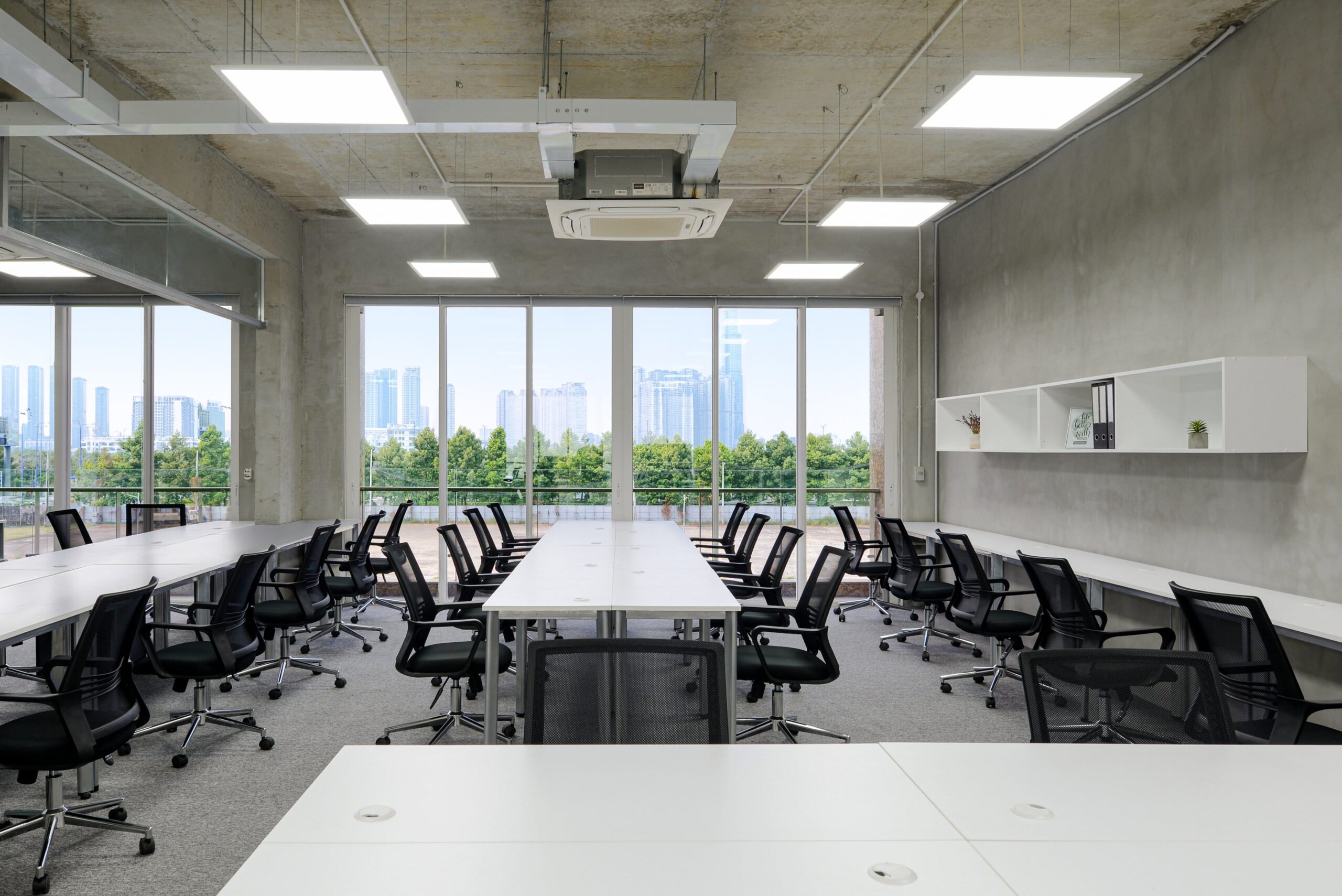
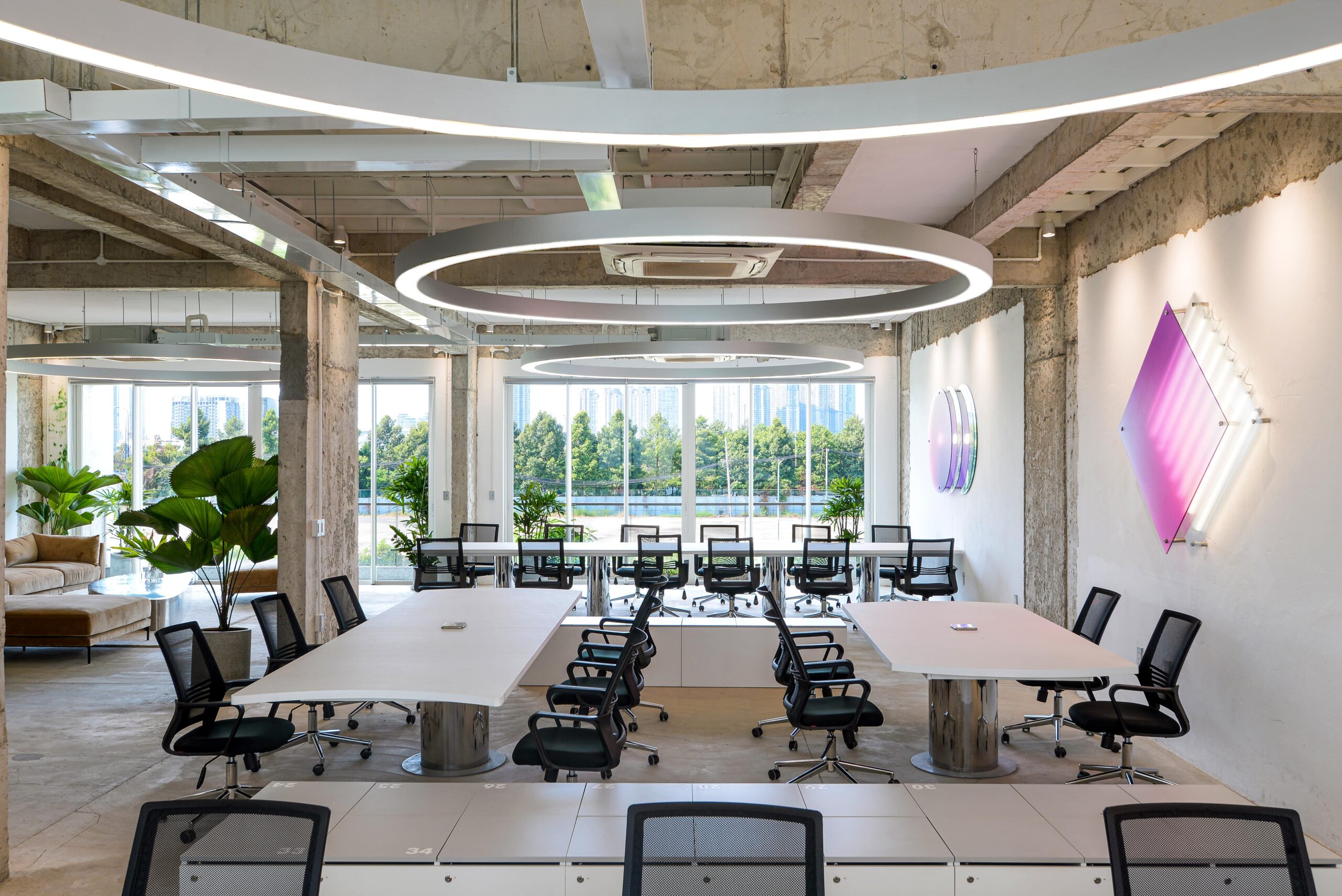
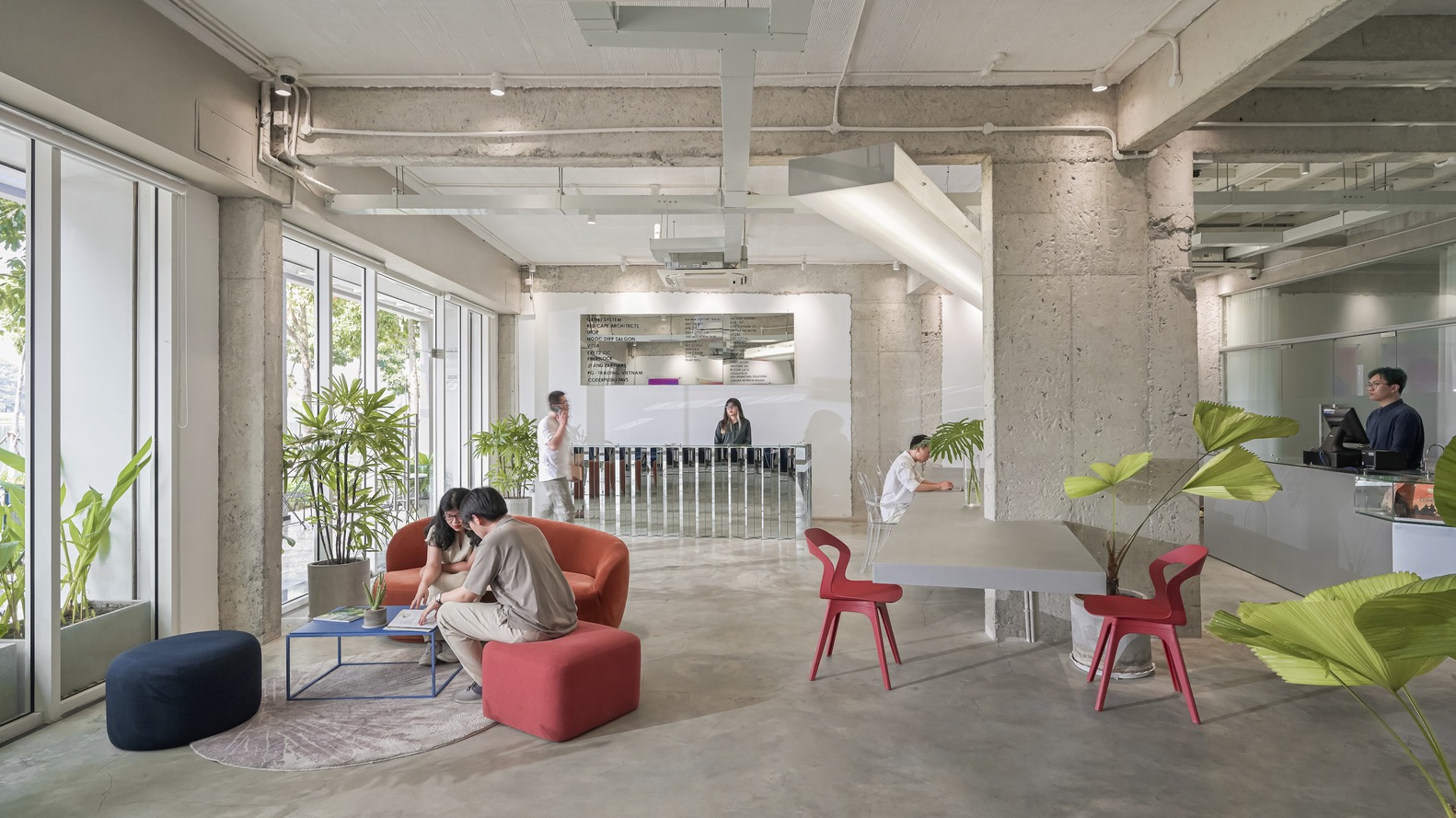
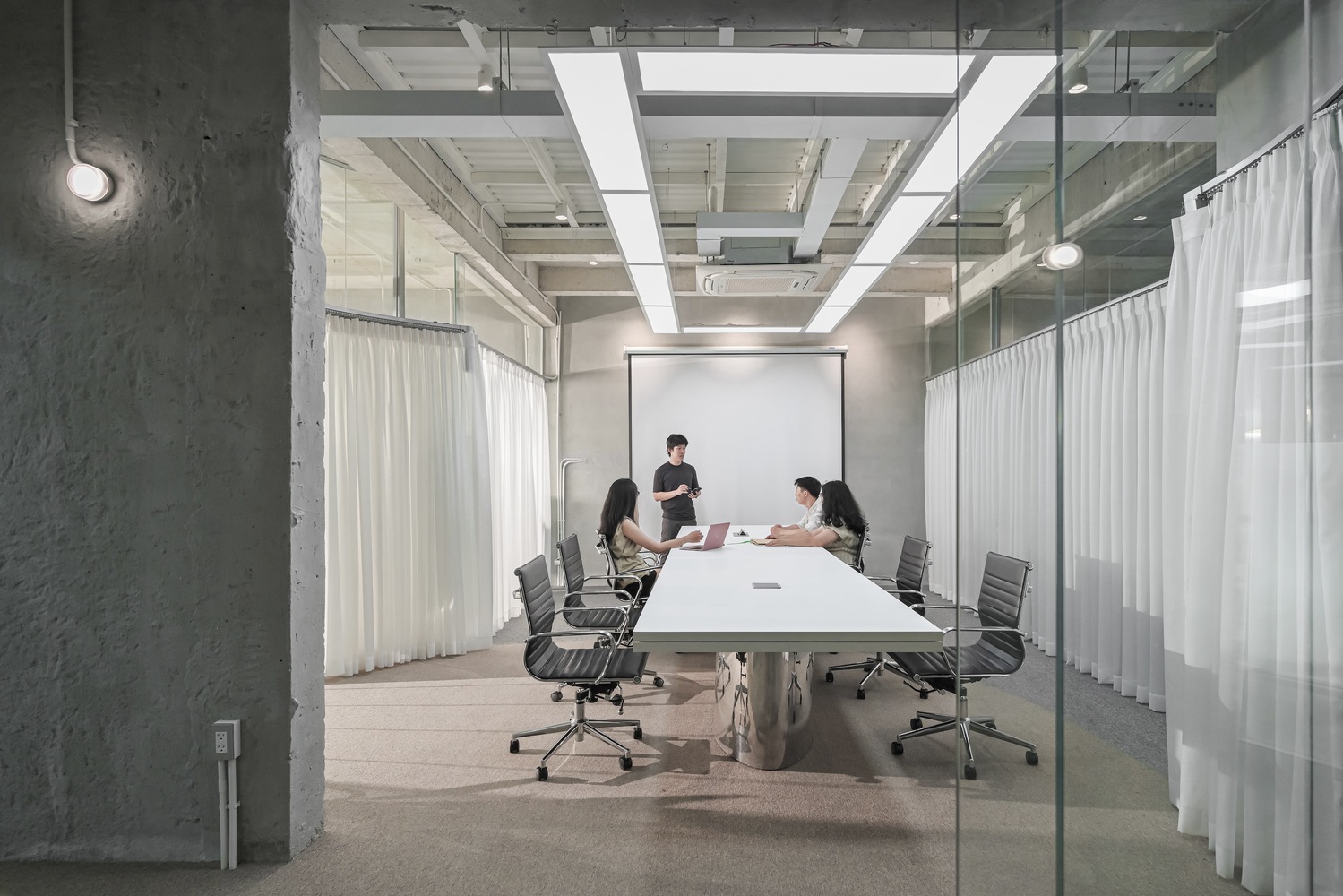
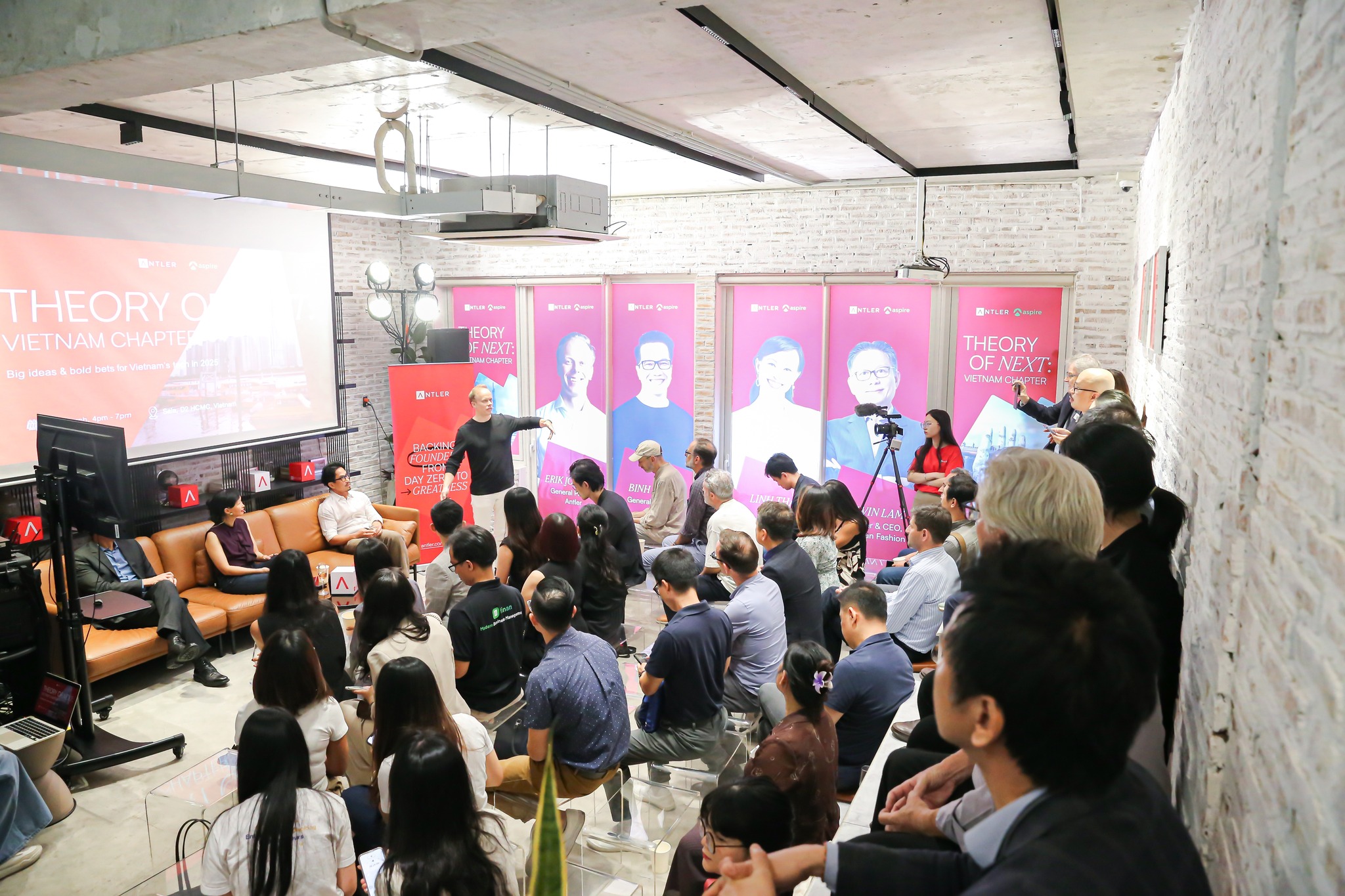
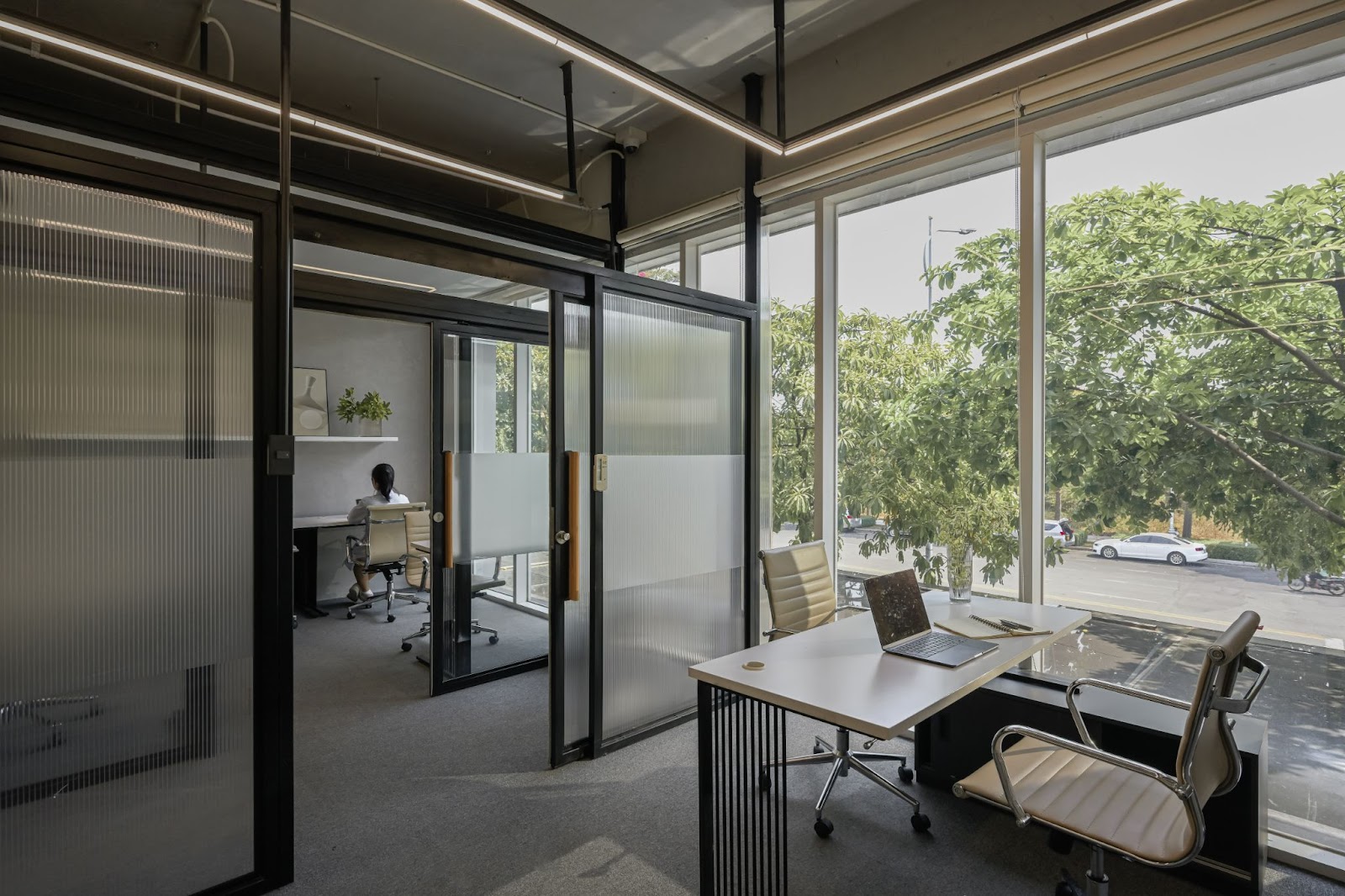
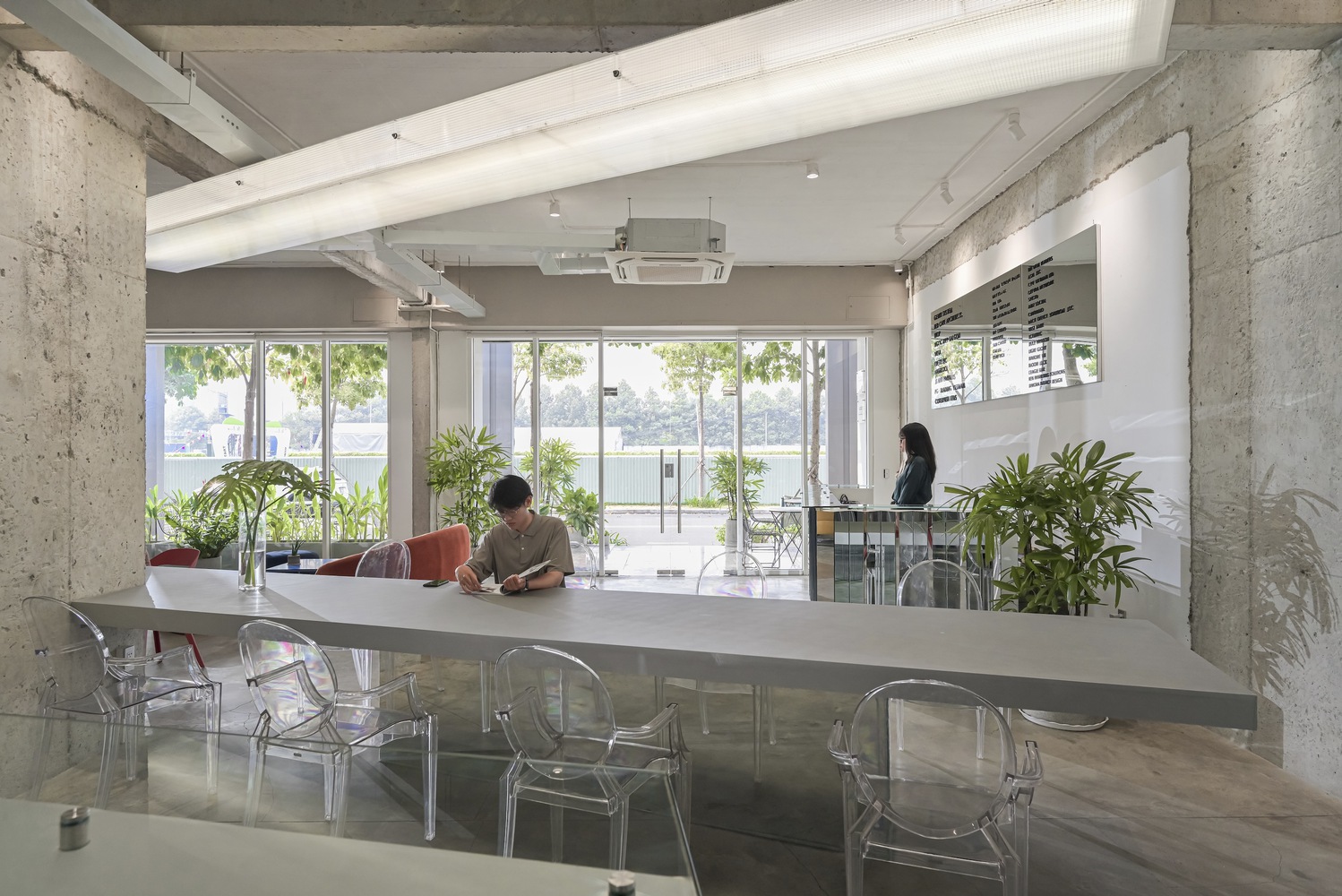
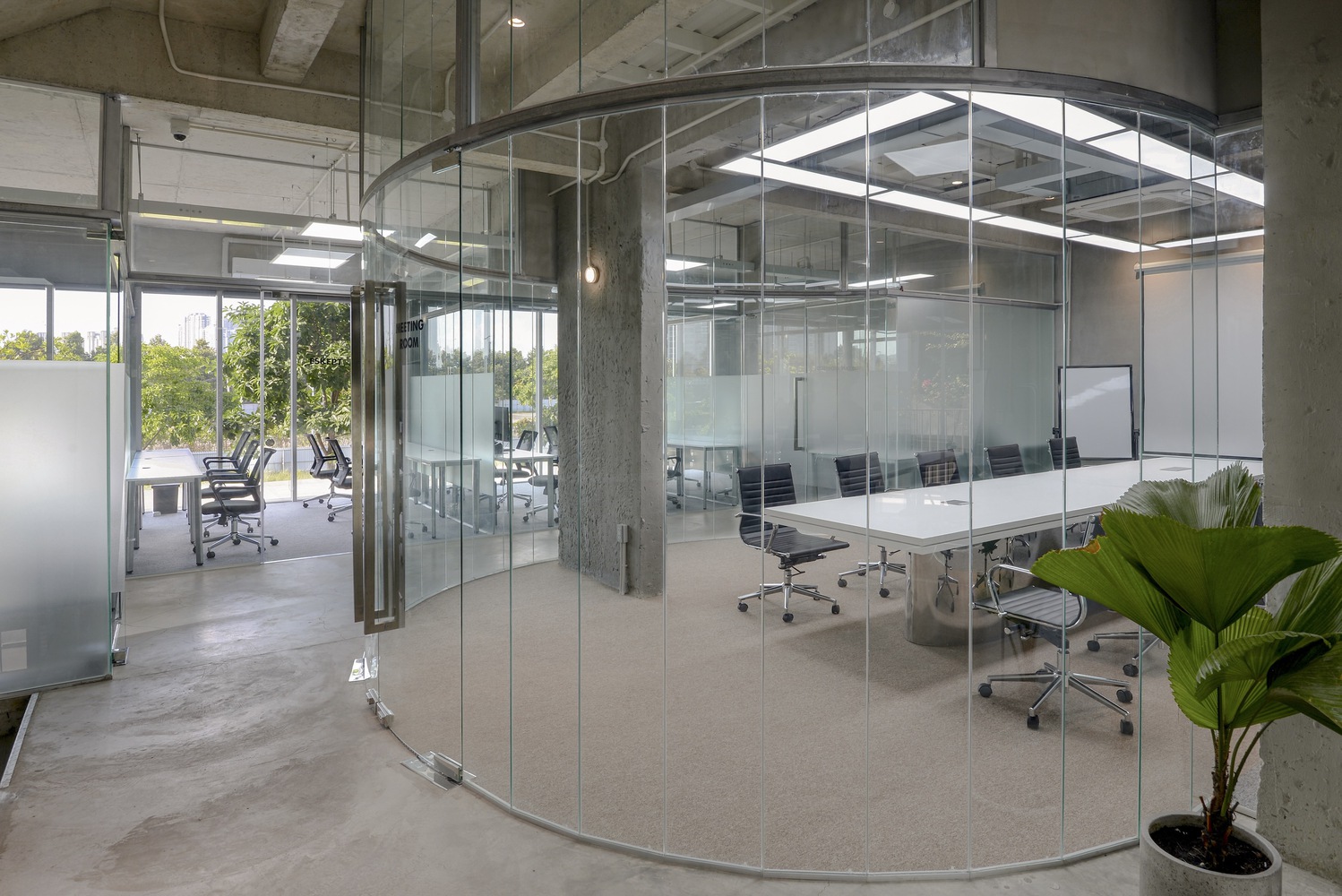
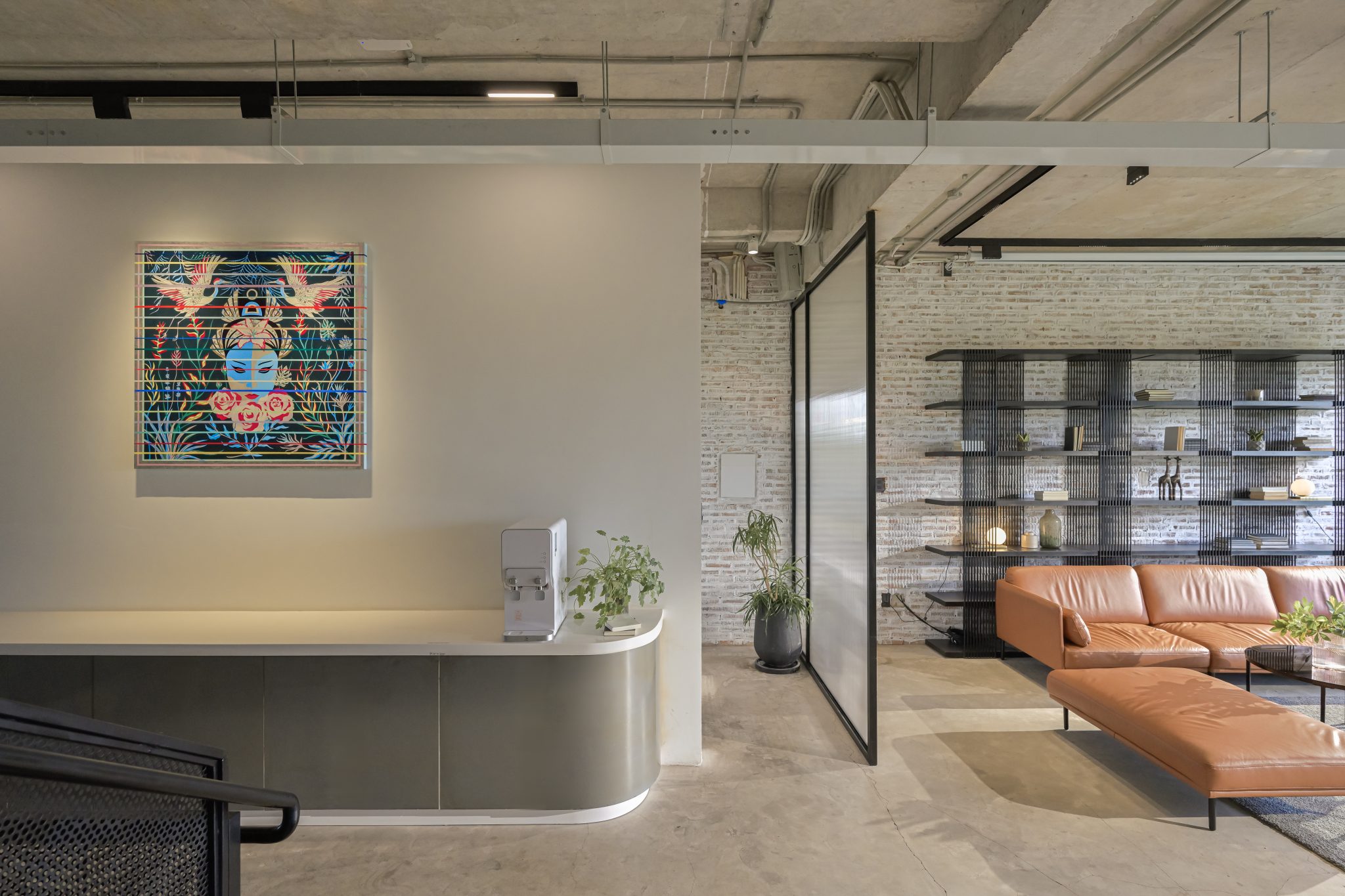
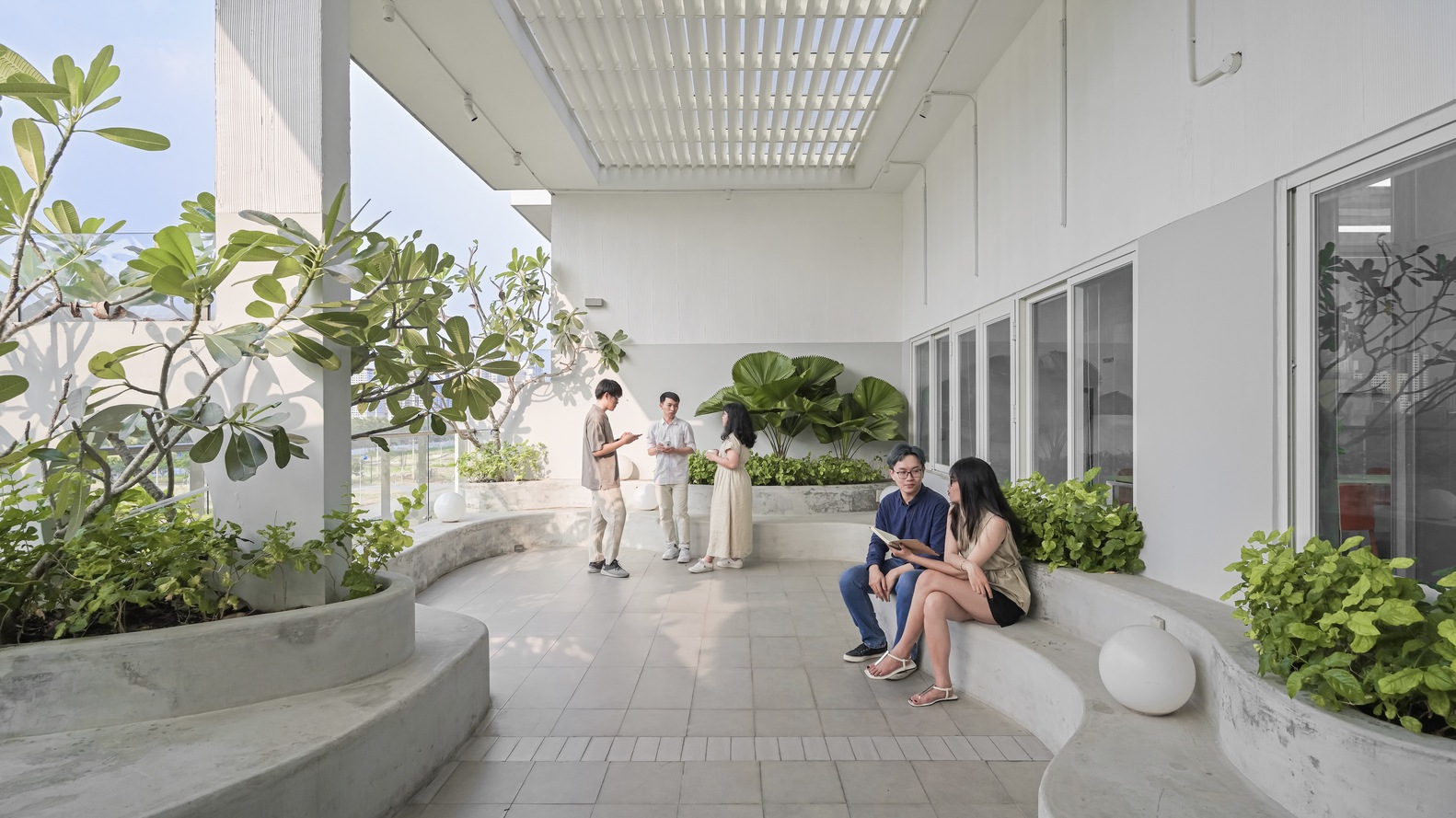
A corporate office is the central workplace where a company coordinates people, operations, and resources to achieve its business goals. In this article, Inspire Hub will provide a practical guide to understanding the corporate office, including its functions, common layouts, and differences from other business office types.
What is a corporate office?
A corporate office is a physical or managed workplace used by a business to run its core daily activities, such as administration, finance, human resources, management, sales, and client communication. It can be a conventional leased office, a serviced private office, or a dedicated workspace within a coworking space.
Key functions of a corporate office
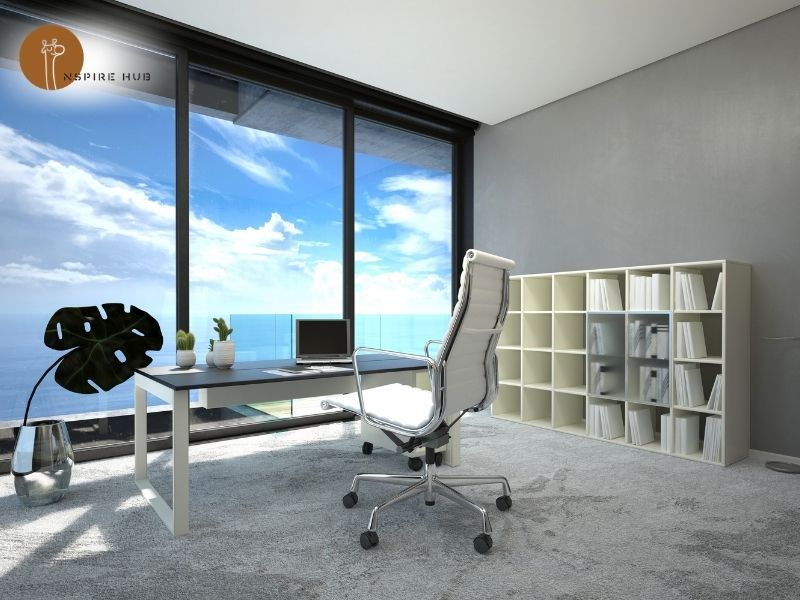
A well-planned corporate office gives a business a reliable base for working, managing teams, and meeting stakeholders. Depending on the company’s size and structure, its key functions may include:
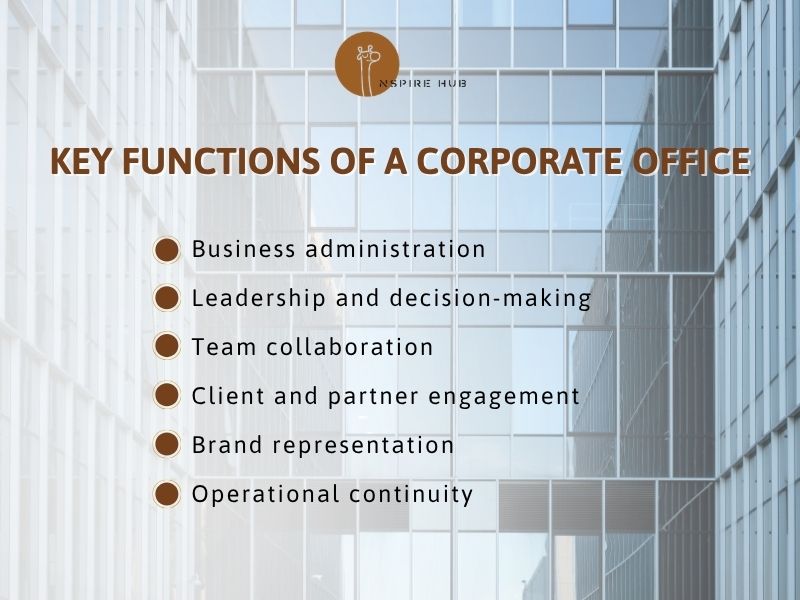
- Business administration: Supporting finance, HR, legal documentation, procurement, and other back-office processes.
- Leadership and decision-making: Giving managers and department heads a place to coordinate strategy, priorities, and performance.
- Team collaboration: Providing meeting rooms, focused work areas, shared spaces, and tools for cross-functional teamwork.
- Client and partner engagement: Creating a professional environment to host interviews, presentations, negotiations, and business meetings.
- Brand representation: Reflecting the company’s identity through its location, reception experience, interior design, and workplace culture.
- Operational continuity: Ensuring employees have the connectivity, facilities, equipment, and support services required to work consistently.
Difference between a corporate office vs head office and other office roles
Office terms may sound similar, yet each one has a different purpose within a company structure. Understanding these distinctions helps business leaders choose a space that matches operational needs, legal requirements, and growth plans:
| Criteria | Corporate office | Registered office | Headquarter | Branch office | Satellite office |
| Definition | The workplace where the enterprise carries out core business and administrative activities. | The official address recorded with the competent business registration authority. | The main office where the organization is led and managed strategically. | A dependent unit located outside the headquarters, carrying out part or all of the company’s business activities. | A secondary workplace, separate from the main office or headquarters. |
| Main function | Supports daily operations, team productivity, administration, and collaboration. | Receives official correspondence and serves legal/administrative purposes. | Sets company-wide strategy, governance, major decisions, and central functions. | Conducts direct business (sales, contract signing) in the local market, expanding customer service reach. | Supports local teams, market expansion, and flexible or hybrid work arrangements. |
| Legal status | May or may not be the legally registered business address. | Holds an official legal role, requirements vary by country or jurisdiction. | May be registered, depending on local regulations and corporate structure. | Has no separate legal personality, shares liability with the parent company but must be registered where it is located. | May require registration depending on the jurisdiction and activities carried out. |
| Team size & management | Typically 10 to 200+ staff, may support one department or the entire business. | No on-site staff required, may serve only as an official business address. | Typically 50 to 1,000+ staff, usually including leadership and core teams. | Typically 10 to 150 staff depending on market scale, has its own branch manager, operates independently but reports to headquarters. | Typically 5 to 100 staff, a smaller team managed alongside the main office. |
| Setup & operating cost | Varies by office model, fit-out requirements, and accompanying services. | Usually the lowest physical space cost, though compliance or service fees may apply. | Usually the highest setup and operating cost due to scale and strategic facilities. | Lower than headquarters, but can exceed satellite office costs if it handles full business functions. | Usually lower than headquarters due to smaller scale and focused function. |
Common layouts of corporate office
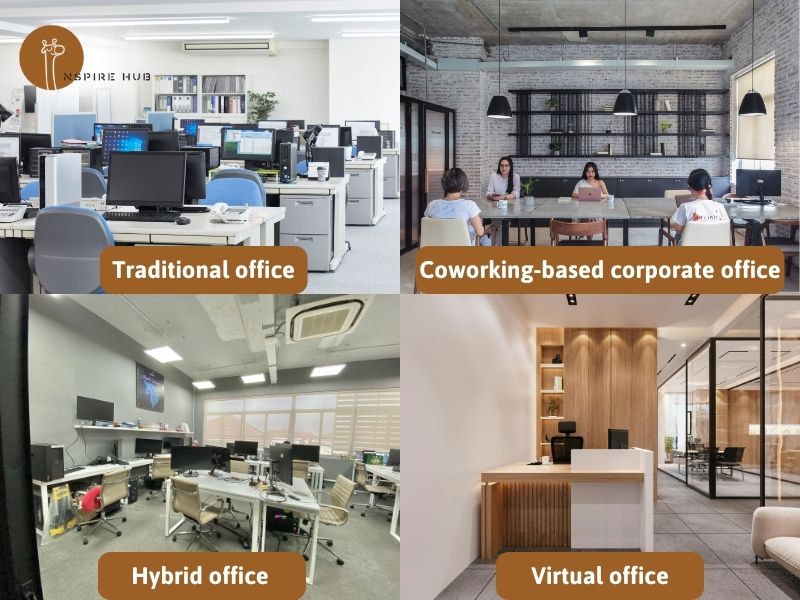
Businesses can choose from several corporate office layouts, each offering different levels of flexibility, privacy, operational support, and cost control. The most common options include:
- Traditional office: A traditional corporate office is a dedicated leased space that offers maximum control over layout, branding, and operations, but usually requires greater upfront investment and management responsibility.
- Coworking-based corporate office: A coworking-based corporate office places a team in a ready-to-use, service-managed environment with shared amenities and flexible space options, helping reduce setup time and operational workload.
- Hybrid office: A hybrid corporate office combines dedicated work areas with shared collaboration zones and policies that support a mix of in-office and remote work.
- Virtual office: A virtual office provides a professional business address and selected administrative services without requiring employees to occupy a permanent physical workspace every day.
How to choose a corporate office for your business
The right corporate office should match your current operational needs while allowing the company to adapt as it grows. Before committing to a workspace, assess these practical factors:
- Business purpose: Decide whether the office will primarily support daily operations, client meetings, executive management, team collaboration, or market expansion.
- Team size and growth plans: Choose a solution that fits your current headcount and can expand or contract without disrupting business activities.
- Location and accessibility: Prioritise an address that is convenient for employees, clients, and partners, with suitable transport links and nearby business amenities.
- Budget structure: Compare not only monthly rent but also deposits, fit-out costs, furniture, utilities, internet, cleaning, security, maintenance, and parking.
- Brand experience: Consider how the building, reception area, meeting spaces, and interior environment will affect client confidence and employee engagement.
- Privacy and flexibility: Determine the right balance between private offices for focused work and shared areas for collaboration, networking, and events.
- Business compliance: Confirm whether the space can support your intended business registration, tax, licensing, and correspondence requirements under applicable local regulations.
Choosing the suitable corporate office layout at Inspire Hub coworking space
Inspire Hub provides flexible workspace solutions, including private offices, dedicated desks, hot desks, meeting rooms, virtual offices, and core office solutions in Sala Urban Area, Ho Chi Minh City. These options help international businesses establish a professional corporate office that can adapt to changing team sizes and operational needs.
Inspire Hub supports the key benefits that businesses need when choosing a suitable office layout:
- Private Room: Suitable for small and growing teams that need a secure, dedicated, and fully furnished workspace.
- Core Office Solution: Appropriate for businesses seeking a ready-to-use furnished office while retaining more control over their own day-to-day operations.
- Dedicated Desk: A practical choice for individuals or compact teams that value a fixed workstation within a collaborative coworking environment.
- Virtual Office: Suitable for businesses that need a professional business address and selected administrative support without maintaining a full-time physical workspace.
- Hot Desk: Ideal for freelancers, remote professionals, or small teams that need a flexible workspace without a permanently assigned desk.
- Traditional Office: Better suited to companies that need full control over fit-out, branding, and long-term workplace configuration.
A corporate office is more than a place to work: it is an operational foundation that can support productivity, leadership, collaboration, and a credible business presence. Contact Inspire Hub to explore a corporate office layout that fits your team’s size, growth plans, and brand ambitions in Ho Chi Minh City.