

 Tiếng Việt
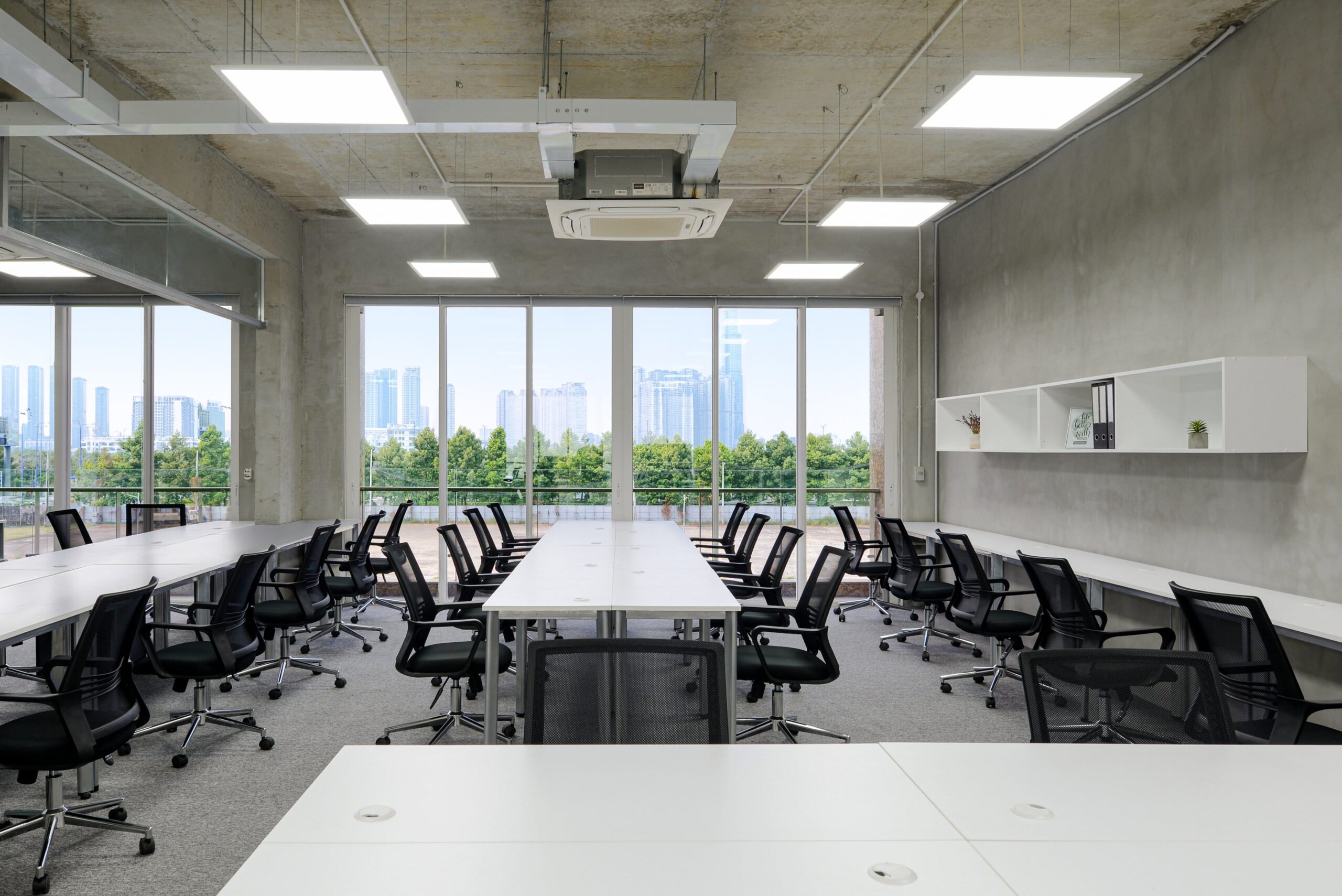
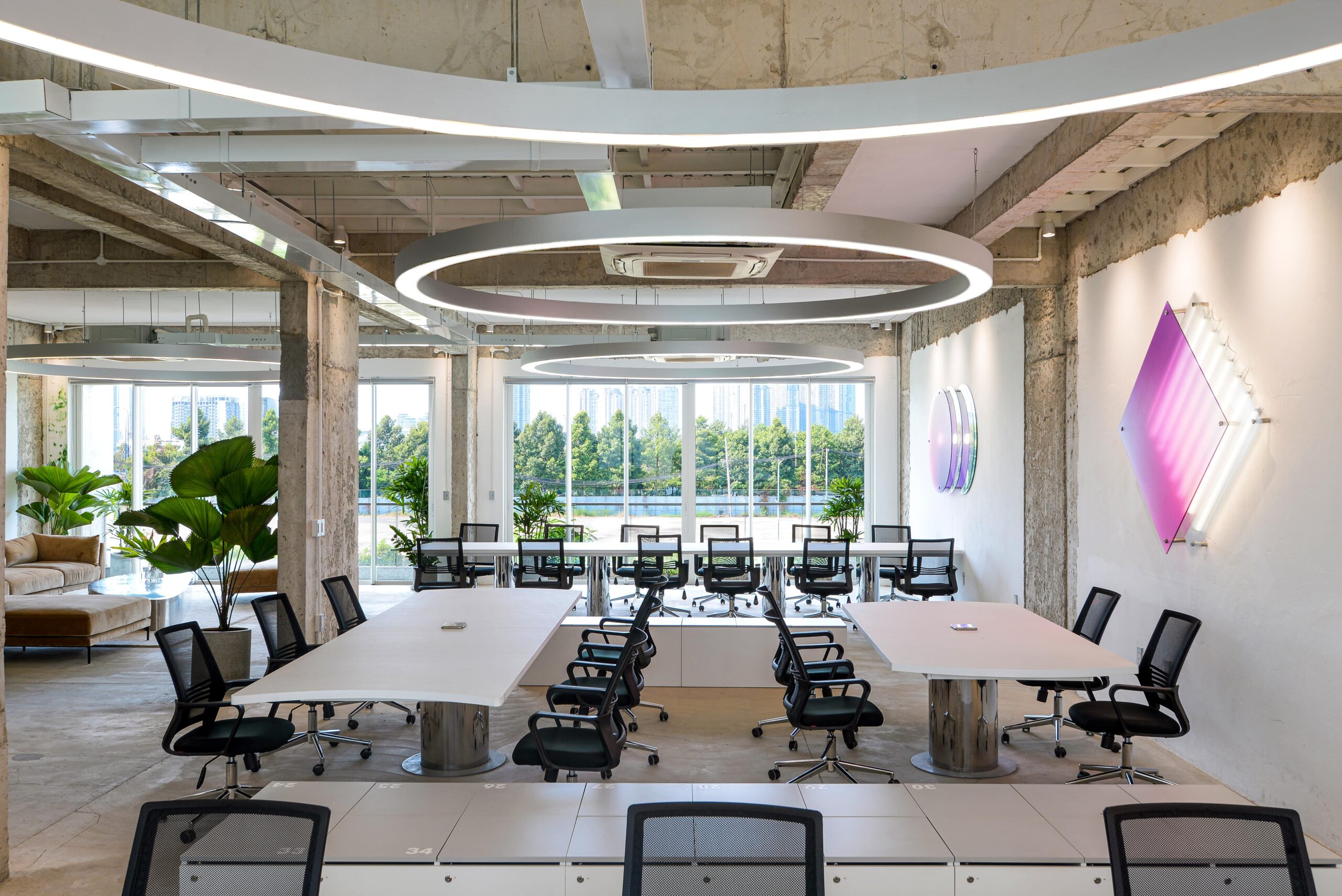
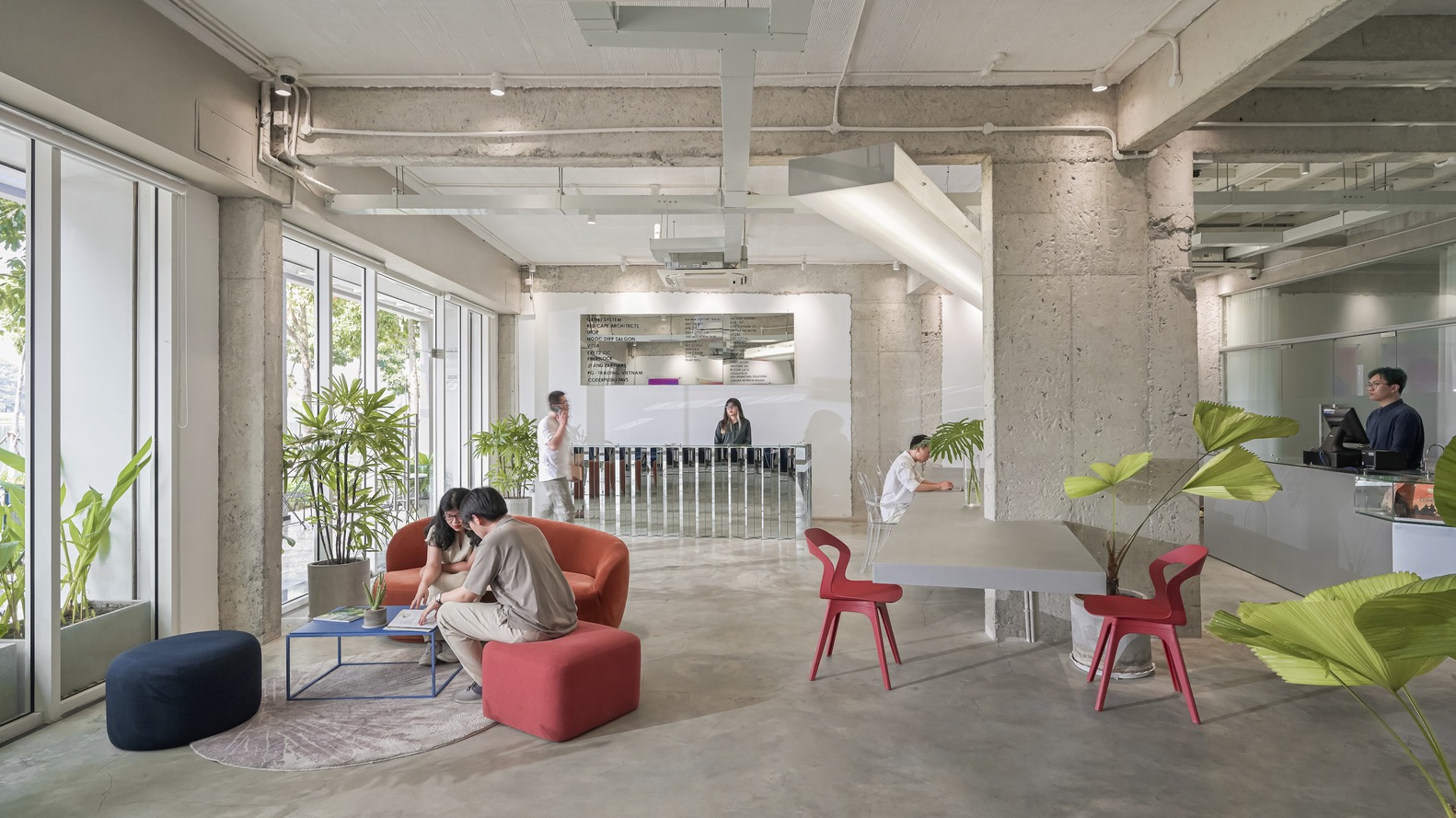
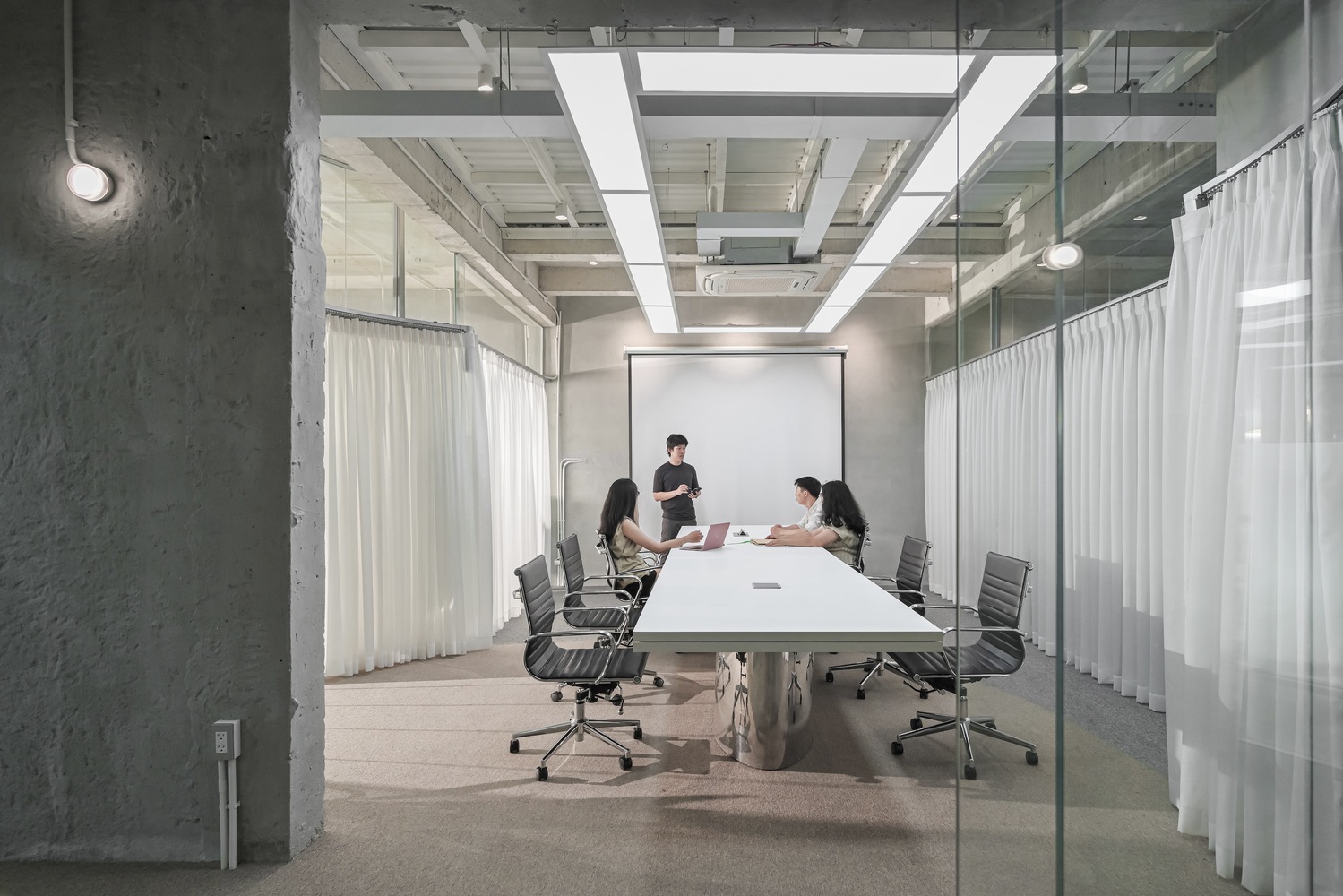
The coworking space model is increasingly the go-to workspace solution, not just for startups, but for foreign companies expanding operations across Southeast Asia. This guide by Inspire Hub answers everything you need to know: what is a coworking space, how the model works, and whether it’s the right fit for your business.
What is a coworking space?
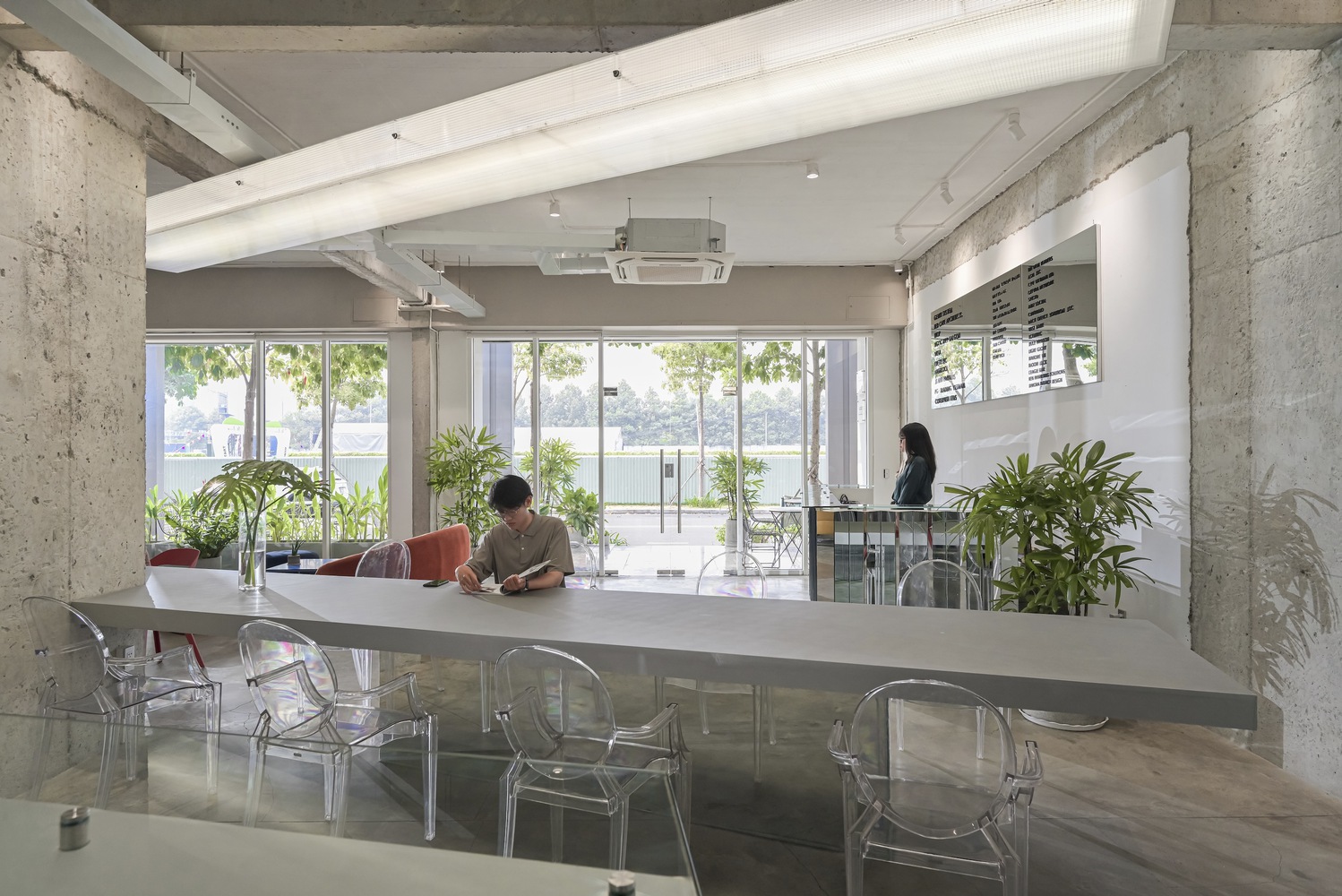
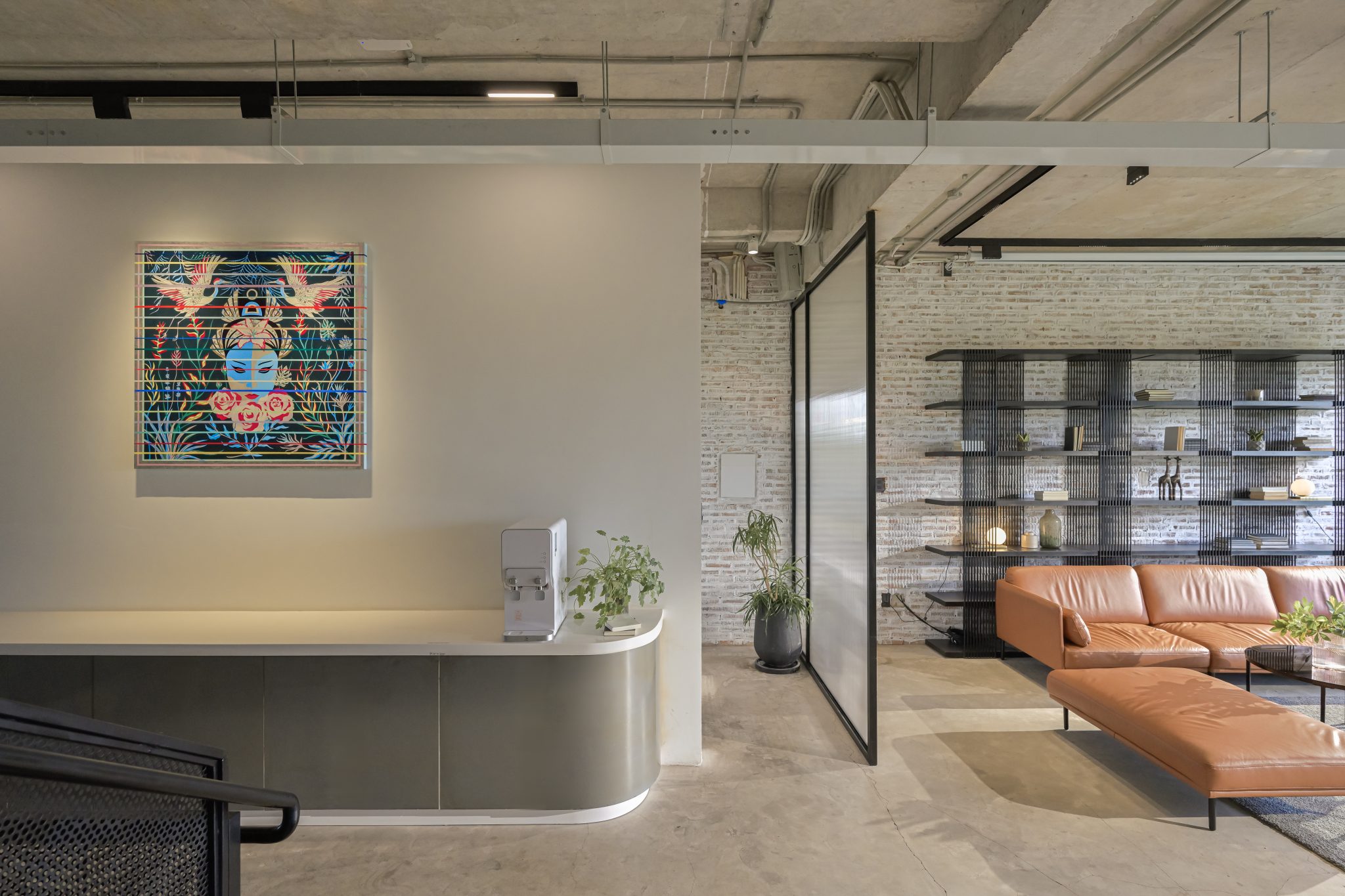
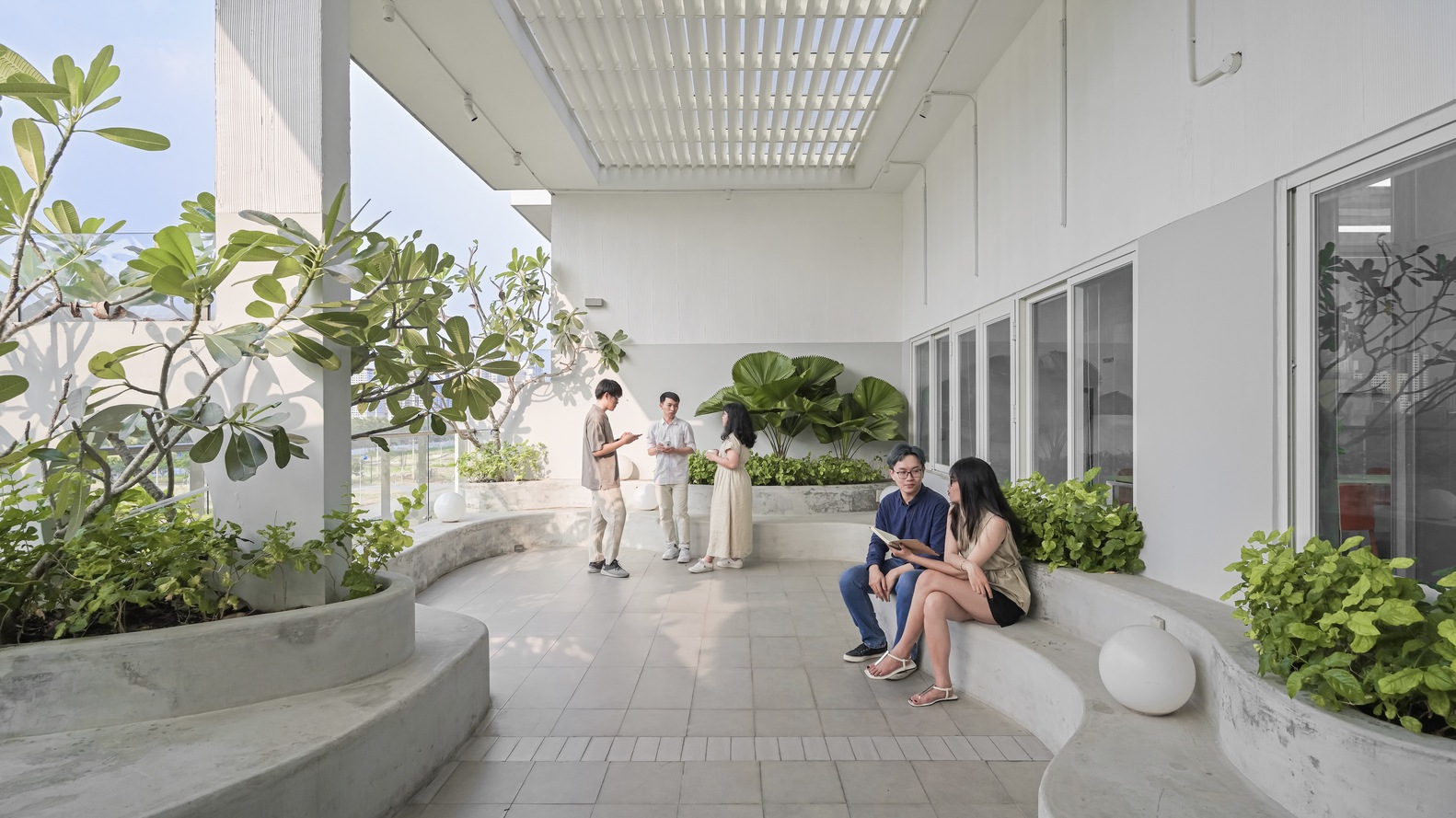
A coworking space, also known as a shared workspace, is a fully equipped office environment where individuals, teams, and businesses from different industries work under the same roof. A typical coworking office space includes desks and chairs, high-speed internet, meeting rooms, reception areas, a pantry, and other modern office amenities.
Unlike a traditional office lease, a coworking space operates as an all-inclusive service: the management team handles all operational costs from electricity and water to cleaning, security, and technical maintenance, so tenants can focus entirely on their core business. At its core, the coworking model is a flexible blend of the privacy needed for productive work and an open community spirit, allowing businesses to scale up or down at any stage of growth without being locked into a long-term lease.
Origin & growth of coworking
The term “coworking” was first coined in 2005 by Brad Neuberg, a programmer in the United States, when he opened the first shared workspace to combine the flexibility of freelance work with the community spirit of a traditional office. Starting from a small space with just a few desks, the model exploded globally after the 2008 economic recession, as businesses sought to cut costs without sacrificing workplace quality.
By the early 2020s, especially following the COVID-19 pandemic, the coworking space industry experienced a powerful second wave of global growth. The rise of “hybrid work” became the dominant trend, prompting large corporations, including international tech, investment, and architecture firms, to prioritize flexible office solutions over long-term fixed-space commitments. In Vietnam, the coworking market grew strongly in Ho Chi Minh City and Hanoi, attracting a surge of foreign enterprises entering or expanding in the Southeast Asian market.
Types of coworking spaces available today
Understanding the different workspace types helps businesses choose the right solution for their team size, work style, and budget. Most providers offering coworking space for rent operate three main seating formats.
Private office
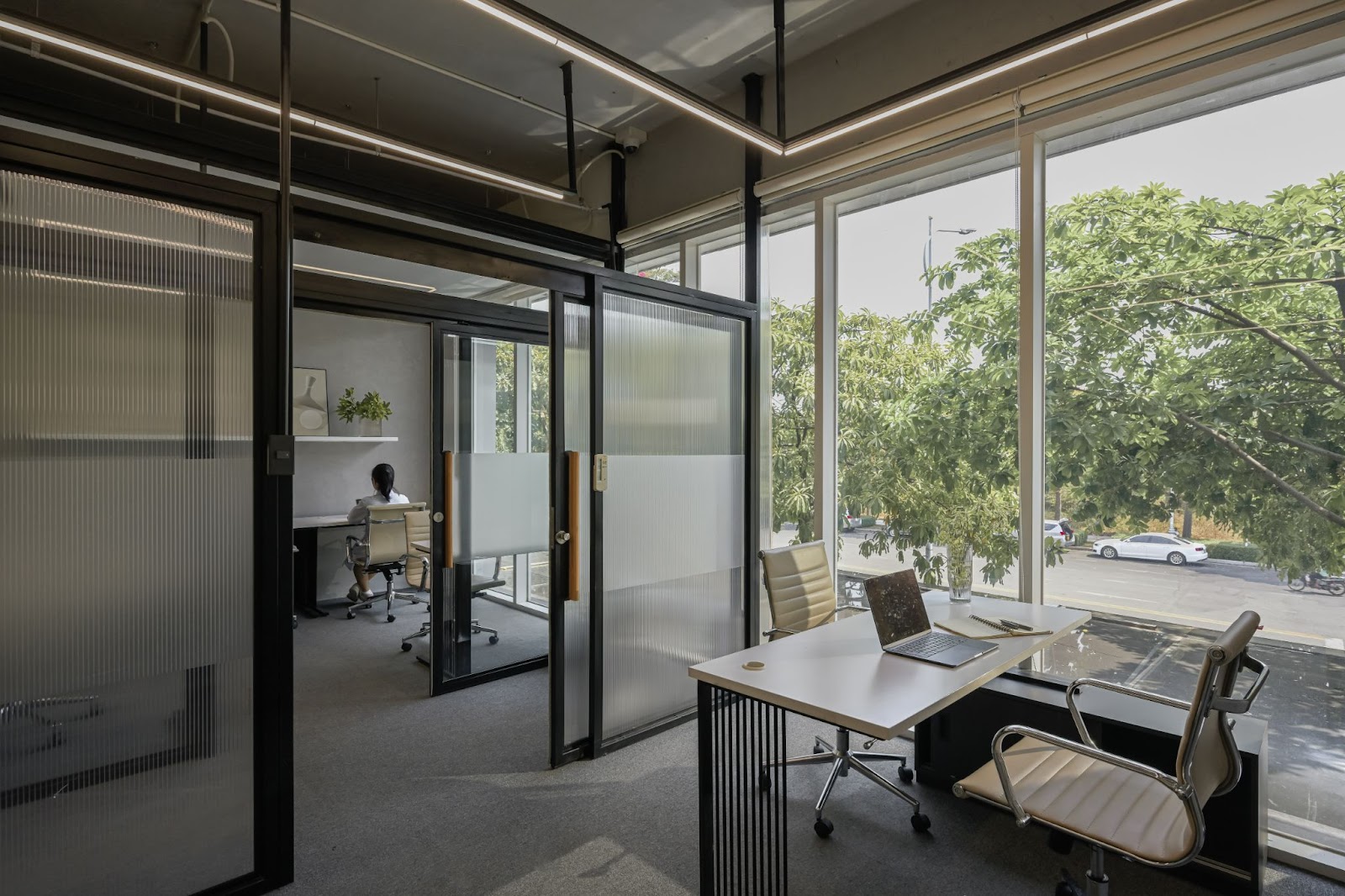
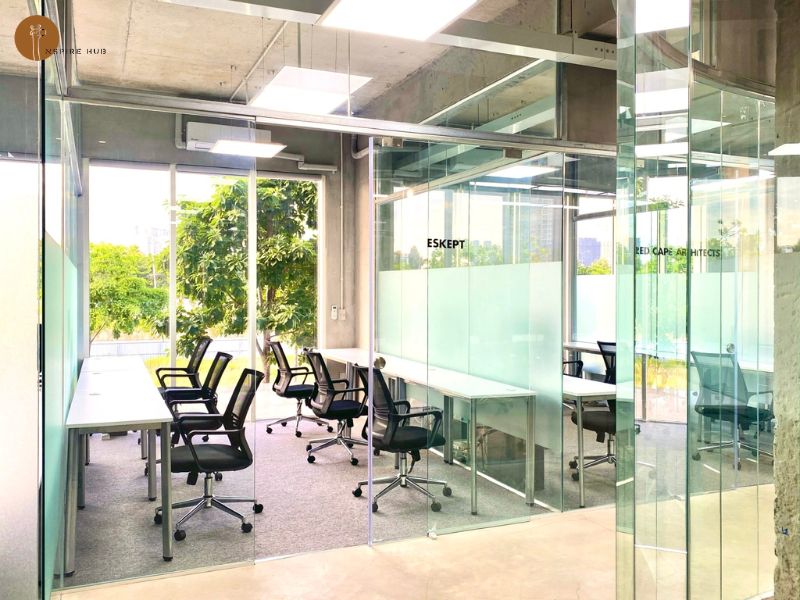
A private office is an enclosed, dedicated room for a single company or team. It suits companies of 3 to 50+ people, especially those requiring data confidentiality, a professional client-reception area, or a high-focus environment. Tenants have full control over their internal space while still accessing all shared building amenities: meeting rooms, reception lobbies, pantries, and administrative support services.
>> EXPLORE OUR PRIVATE ROOM SOLUTIONS AT INSPIRE HUB
Dedicated desk
A dedicated desk is a fixed workstation assigned to one person or a small group, located within the open-plan area of the coworking office space. Users can leave their equipment and personal items overnight and always have priority access to their seat without booking in advance each day. This is ideal for individuals or small teams who need routine consistency but aren’t yet ready to rent a coworking space with a fully enclosed room.
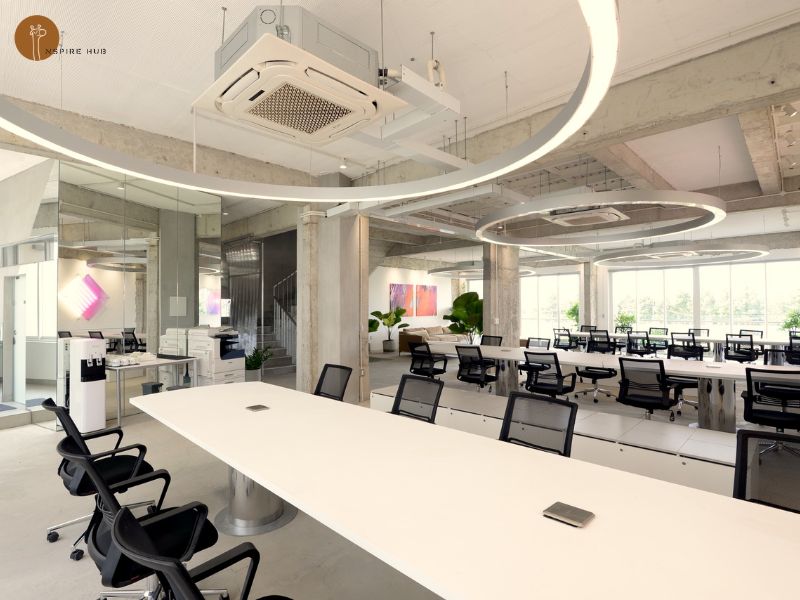
>> EXPLORE OUR DEDICATED DESK SOLUTIONS AT INSPIRE HUB
Hot desk
Hot desking is a flexible seat available by the day or hour, with no fixed location. Users simply pick any available spot in the shared work area when they arrive, making this the most flexible option for freelancers, traveling employees, or businesses with irregular office usage. It’s also the most accessible entry point for foreign organizations in the early stages of exploring the Vietnamese market.
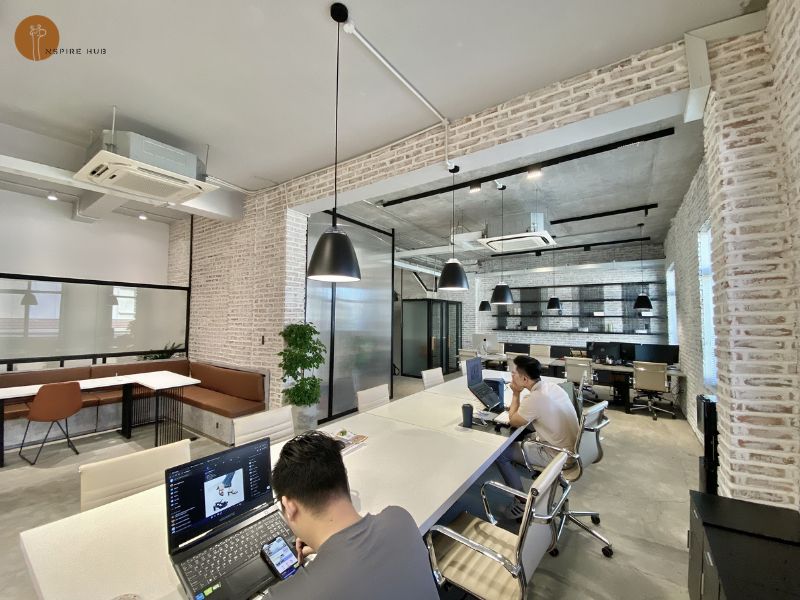
Inspire Hub currently operates two locations: Inspire Hub 1 (Cozy Style, warm and inspiring) and Inspire Hub 2 (Minimalism Style, refined and contemporary), giving businesses the flexibility to find a space that matches their culture and identity. A single membership grants access to both locations.
Benefits of coworking spaces in the modern era
The global workforce is shifting away from traditional fixed structures toward performance-driven, flexible models. In that context, the benefits of coworking spaces extend far beyond just a desk, they represent a strategic operational infrastructure for modern businesses.
On the operational side, a coworking space eliminates the burden of logistics management: equipment maintenance, building cleaning, IT systems, and internet management are all handled, freeing leadership to focus entirely on business strategy. On the talent side, a professionally designed, modern workspace with a diverse business community is a genuine competitive advantage for attracting and retaining top talent, especially Gen Z and Millennial professionals who value creative, connected, and aesthetically strong work environments.
Key advantages of coworking for businesses
For foreign companies in particular, choosing to rent coworking space offers clear operational and strategic advantages across finance, speed, and governance. Here are five core benefits worth evaluating seriously:
Low upfront investment
With a coworking space, businesses require almost zero capital expenditure (CAPEX) on interior fit-out, construction, electrical systems, plumbing, or internet installation. Everything is ready from day one, particularly valuable for foreign subsidiaries or representative offices newly established in Vietnam that need to manage cash flow tightly during their initial market entry phase.
Networking & business collaboration
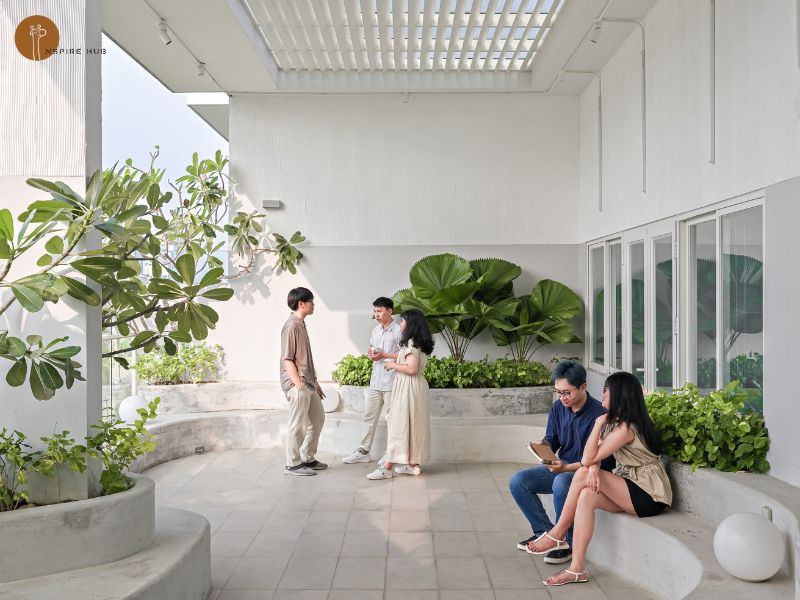
One of the most powerful benefits of coworking spaces is the diverse community environment, where companies from different industries work under the same roof. This creates an organic foundation for building partnerships, finding suppliers or potential clients, and gaining multi-dimensional perspectives from an international business community.
Scalable & space-efficient
Businesses pay only for the exact space and number of seats they use, no wasted budget on unnecessary square footage. More importantly, when headcount grows or shrinks, adjusting office size within a coworking space for rent can be done quickly, without waiting months for fit-out or renovation work as required in traditional offices.
Fast setup & business registration-ready
Unlike a traditional office, which can take 1 to 3 months for contract procedures, renovation permits, and construction, a coworking office space lets businesses sign a contract, register their business address, and start operating on the same day. This is especially critical for foreign companies that need a legal address in Vietnam to establish a legal entity or sign contracts with local partners.
Reduced operational burden
All facilities management, cleaning, security, technical maintenance, mail handling, and printing support, is handled by the building management team. Businesses avoid hiring and managing additional operational staff, saving significantly on indirect personnel costs and freeing leadership from tasks that don’t directly generate business value.
Coworking space vs. traditional office
To make the right decision, here’s a clear comparison across key operational criteria:
| Criteria | Coworking Space | Traditional Office |
| Upfront Cost | Near zero, furniture, internet, and equipment already in place | Very high, fit-out, furniture, and infrastructure investment required |
| Monthly Rent | All-inclusive: utilities, internet, cleaning, meeting rooms | Base rent + management fee + separately billed utilities |
| Contract Term | Flexible, monthly or annual | Long-term commitment of 3–5 years |
| Setup Time | Ready on Day 1 | 1–3 months for procedures and construction |
| Scalability | Easily add or reduce desks at any time | Constrained by existing floor area and contract |
| Operations | Fully managed by building team | 100% self-managed by the tenant |
| Community | Open, collaborative environment | Closed, isolated from external networks |
Who can use a coworking space?
A coworking space is not a one-size-fits-all solution, but for many businesses it is the optimal choice when evaluated on cost, operational speed, and strategic flexibility. It works especially well for:
- Foreign companies entering Vietnam: Need a legal address, workspace, and admin support immediately, but aren’t ready to commit to a long-term office lease in the early stage.
- Foreign subsidiaries or representative offices: Small teams of 3–30 people needing a professional space for client meetings, without the overhead of an independent traditional office.
- Tech, investment, and architecture firms: Industries that prioritize creative environments, community connections, and brand image, all of which a premium coworking office space delivers naturally.
- Funded startups (Series A and above): Scaling headcount quickly but not ready to commit to fixed premises while business strategy is still evolving.
- Import/export & international trade businesses: Frequently host foreign partners and need a professional meeting environment that matches their brand stature.
What to look for when you rent a coworking space
Before making a decision, evaluate these key factors to ensure the space aligns with your long-term operational strategy:
- Location & accessibility: Prioritize buildings near major transport routes, international airports, or central business districts, critical for businesses that regularly host international clients and partners.
- Contract flexibility: Check terms for scaling up or down, renewal, and early termination. Fast-growing businesses need a provider that can accommodate rapid expansion.
- Operations management quality: A professional, responsive admin team that genuinely cares about member experience is the single most important factor driving long-term satisfaction.
- Business registration eligibility: Confirm that the address is accepted as a valid registered business address under Vietnamese law, a non-negotiable requirement for foreign companies establishing a new legal entity.
Inspire Hub: A complete workspace solution in Ho Chi Minh City
If you’re looking to rent coworking space in Ho Chi Minh City that not only meets your working needs but also elevates your brand image, Inspire Hub is a top-tier choice. Located in the Sala Urban District, one of the most prestigious commercial zones in HCMC, Inspire Hub has been rewarded by ArchDaily (USA), Gooood.cn (China), and won the VMARK 2024 Design Award for Best Office Space Design.
Available workspace solutions include:
- Private Office: Enclosed, private rooms for teams of 3 to 50+ people, ideal for foreign firms that need a professional space to operate and host international partners.
- Core Office Solutions: A ready-to-use office with furniture, utilities, and Wi-Fi, offering greater privacy than open coworking.
- Traditional Office: A fitted-out space for businesses requiring full control and custom branding of their interior.
- Virtual Office: A legal business address, mail handling, and admin support, perfect for foreign companies needing a legal presence in HCMC without physical space.
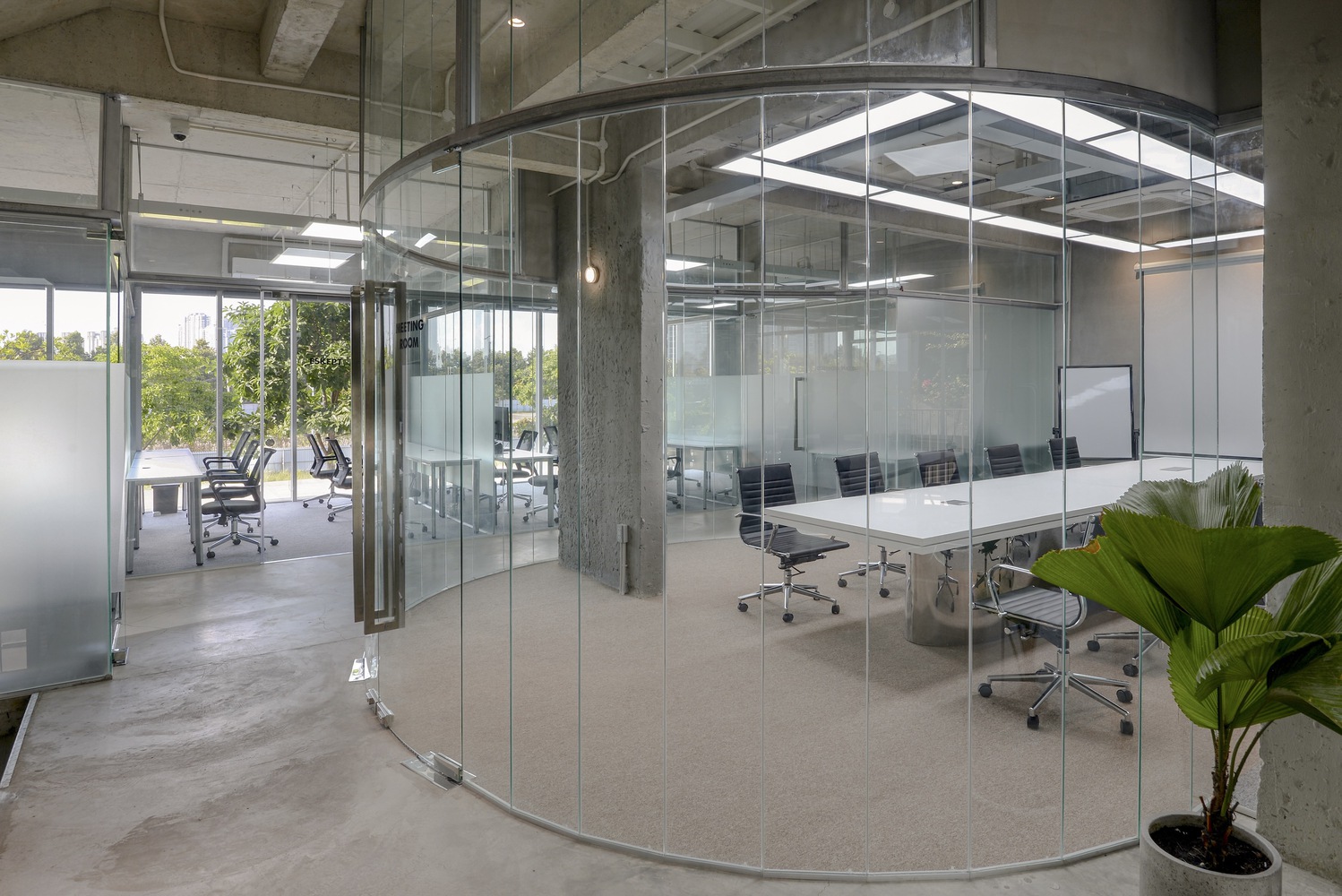
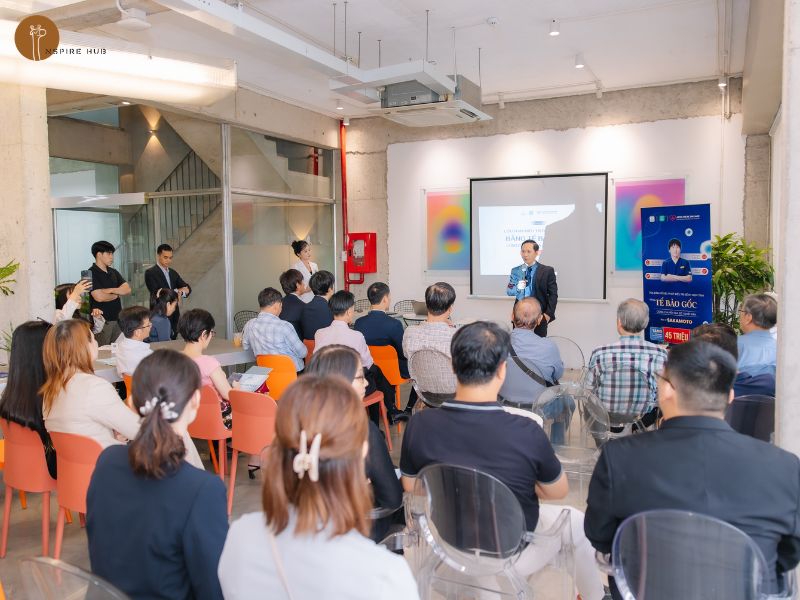
- Meeting Rooms & Event Hall: Meeting rooms for 3–20 people and an event hall for 40+, suitable for workshops, seminars, and large-scale client events.
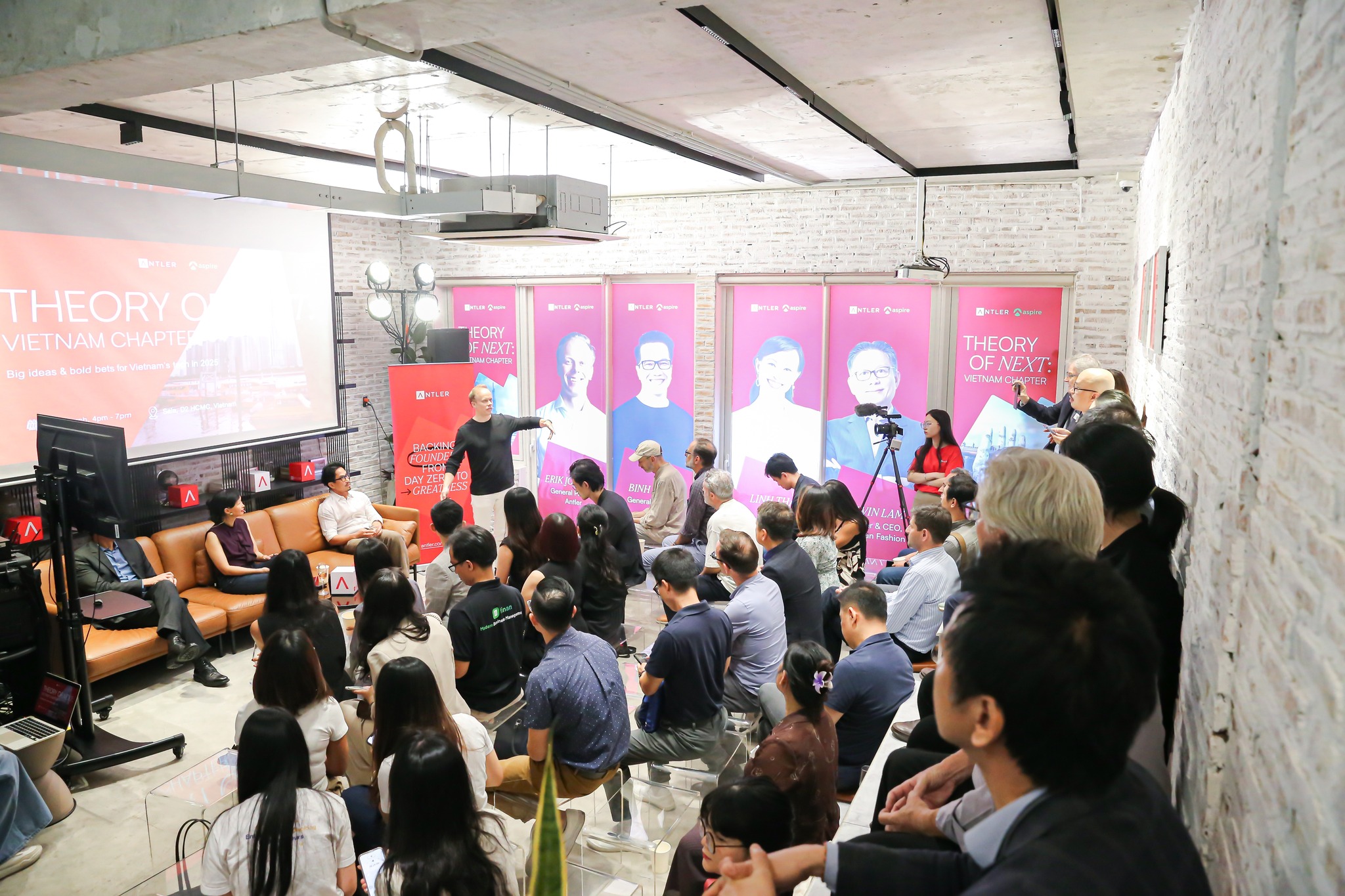
Inspire Hub’s client community includes internationally recognized brands such as ANTLER, AEDAS, SBA, PES-Architects, 54 VN, SKIOLD A/S,… a testament to the world-class service standards and workspace quality on offer.
FAQ: Common questions about coworking spaces
How do I choose the right coworking space?
Evaluate four core criteria:
- location convenient for both staff commutes and client visits
- infrastructure quality and workspace design
- contract flexibility and scalability
- the quality of the management team and existing member community
Most providers allow a site visit and trial before signing.
Can a coworking space replace a traditional office?
For many businesses, especially mid-sized companies, fast-growing startups, or foreign representative offices, a premium coworking space can fully replace a traditional office in terms of work environment quality, while outperforming it on flexibility and cost efficiency. For large corporations requiring comprehensive control or high-level data security, a traditional office may still be the better fit.
Does renting a coworking space require a long-term contract?
No, this is one of the defining differences when you rent a coworking space versus a traditional office. Most reputable providers allow month-to-month or annual leases, with the ability to flexibly increase or decrease seats based on actual needs, no 3–5 year commitment required.
A coworking space is not just a place to work, it’s a strategic infrastructure decision. For foreign businesses building a strong foothold in Vietnam, a premium coworking office space in a strategic location like Inspire Hub can be the launchpad that accelerates growth from day one.