
 Tiếng Việt
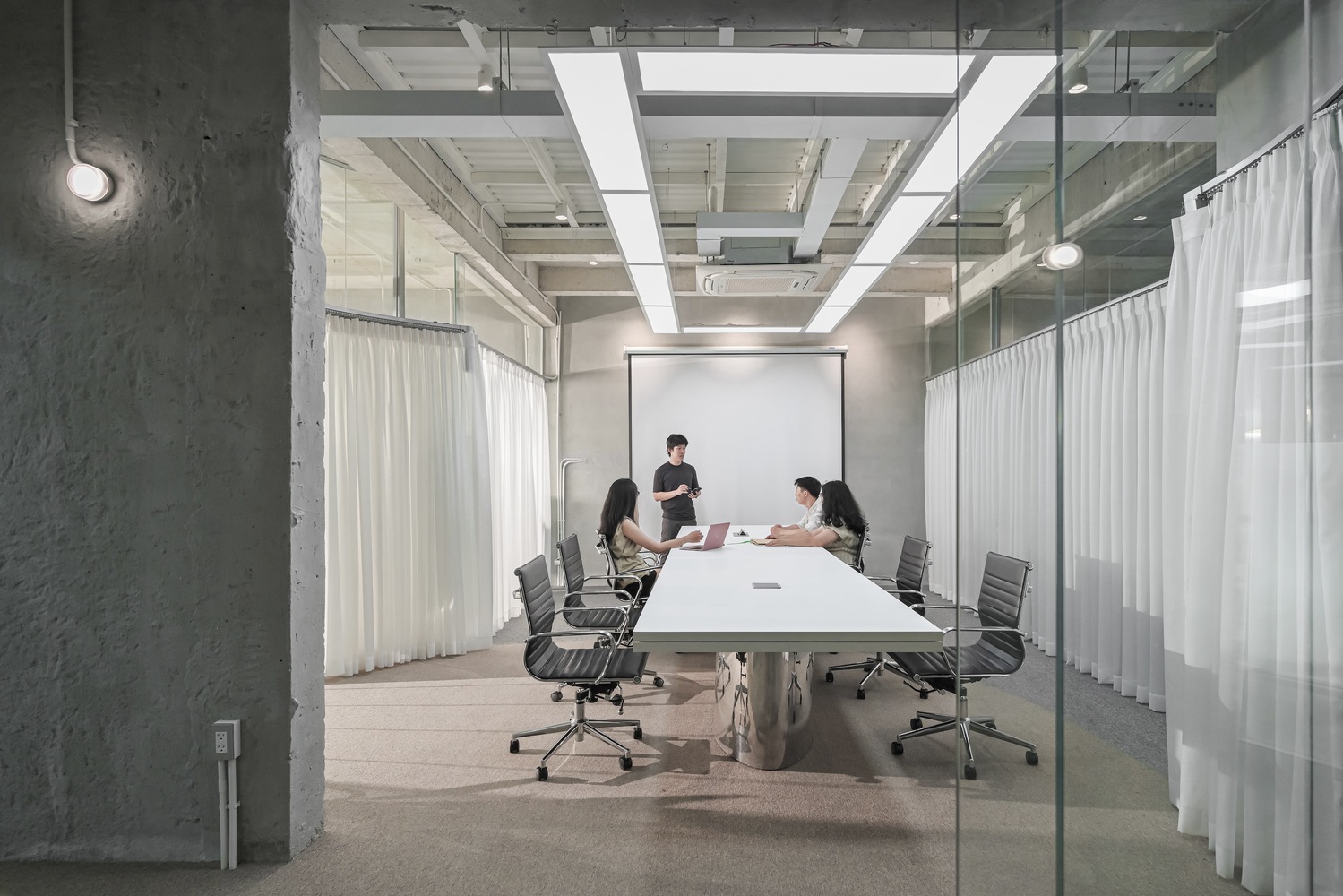
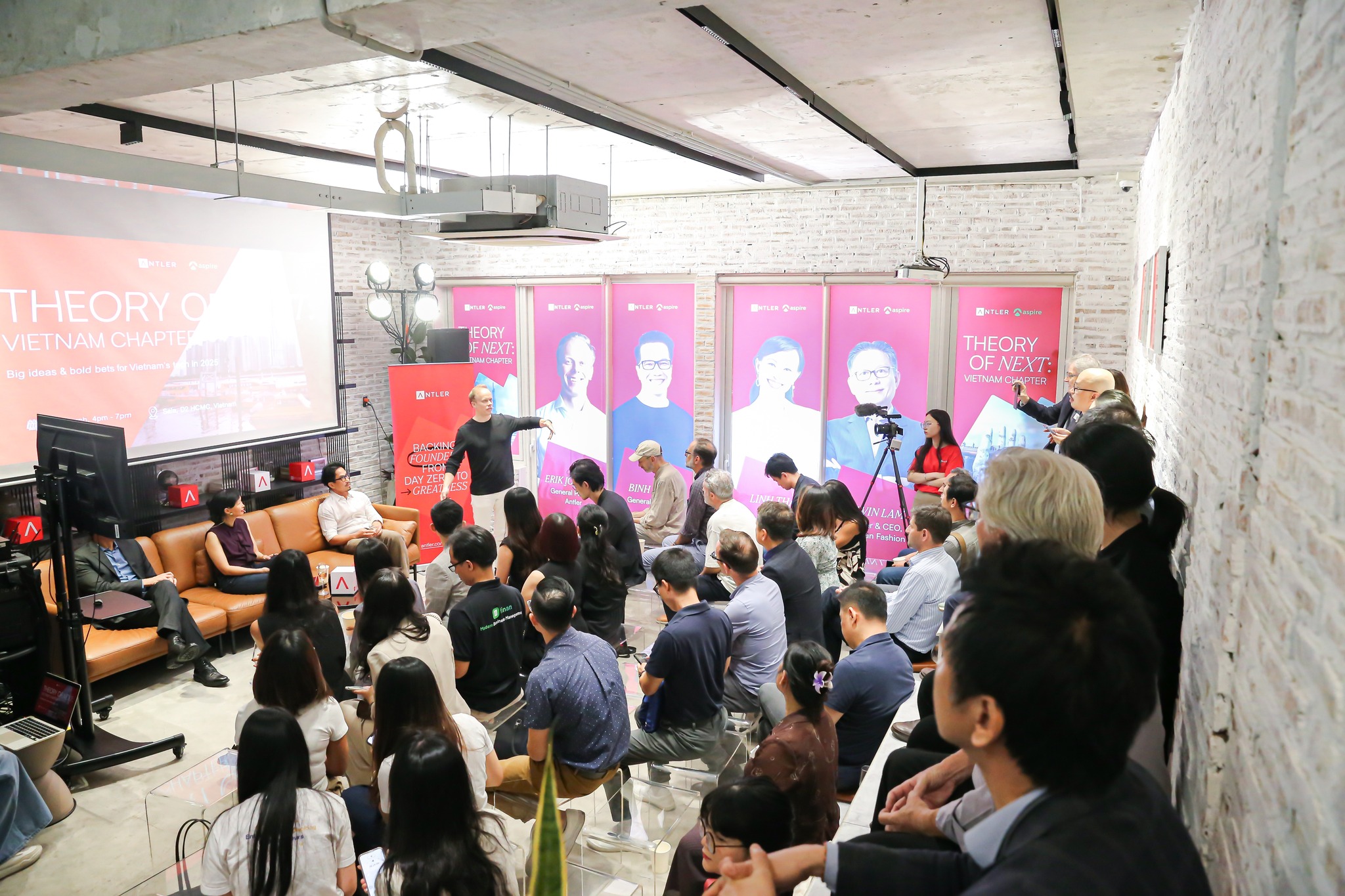
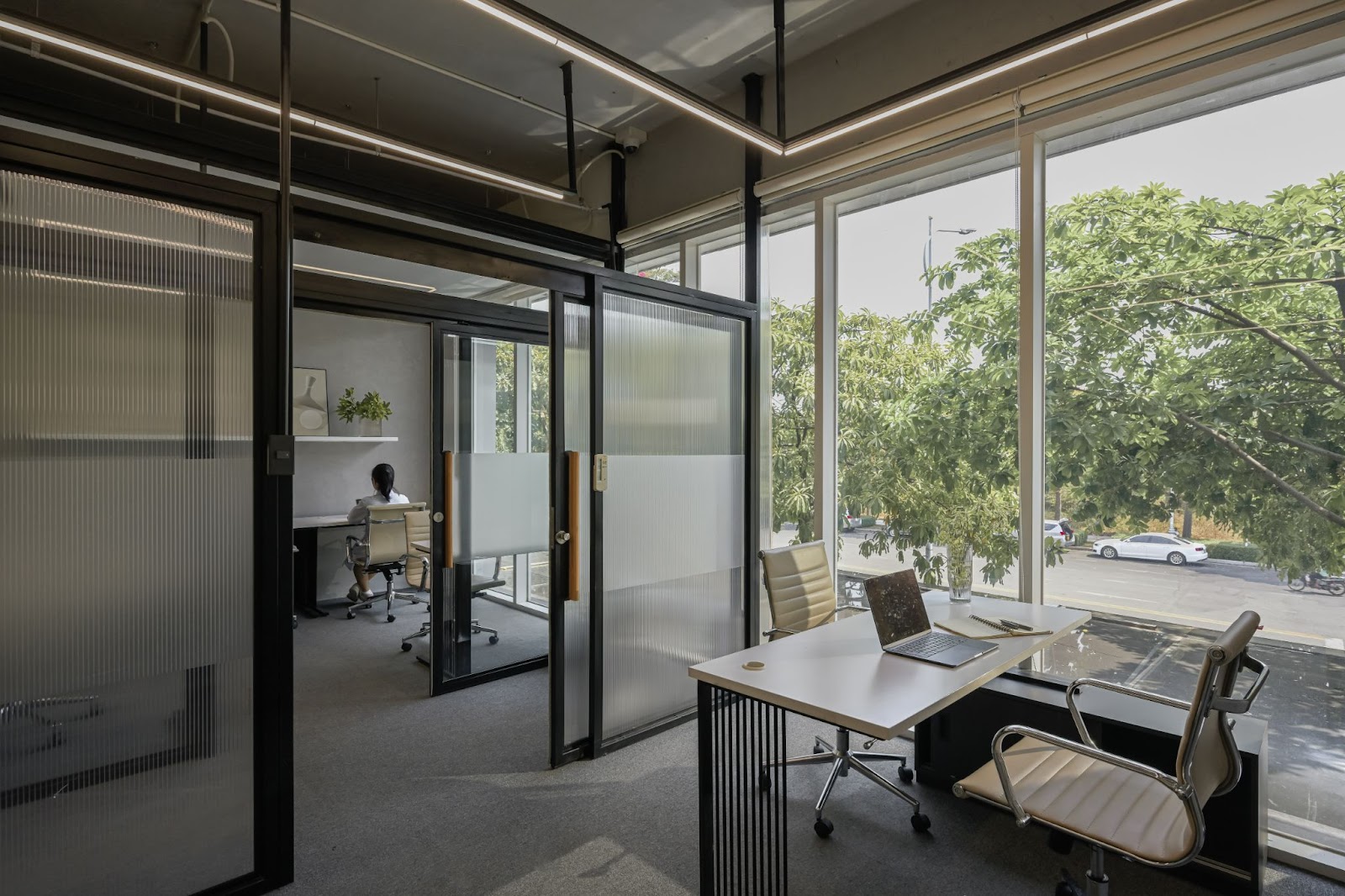
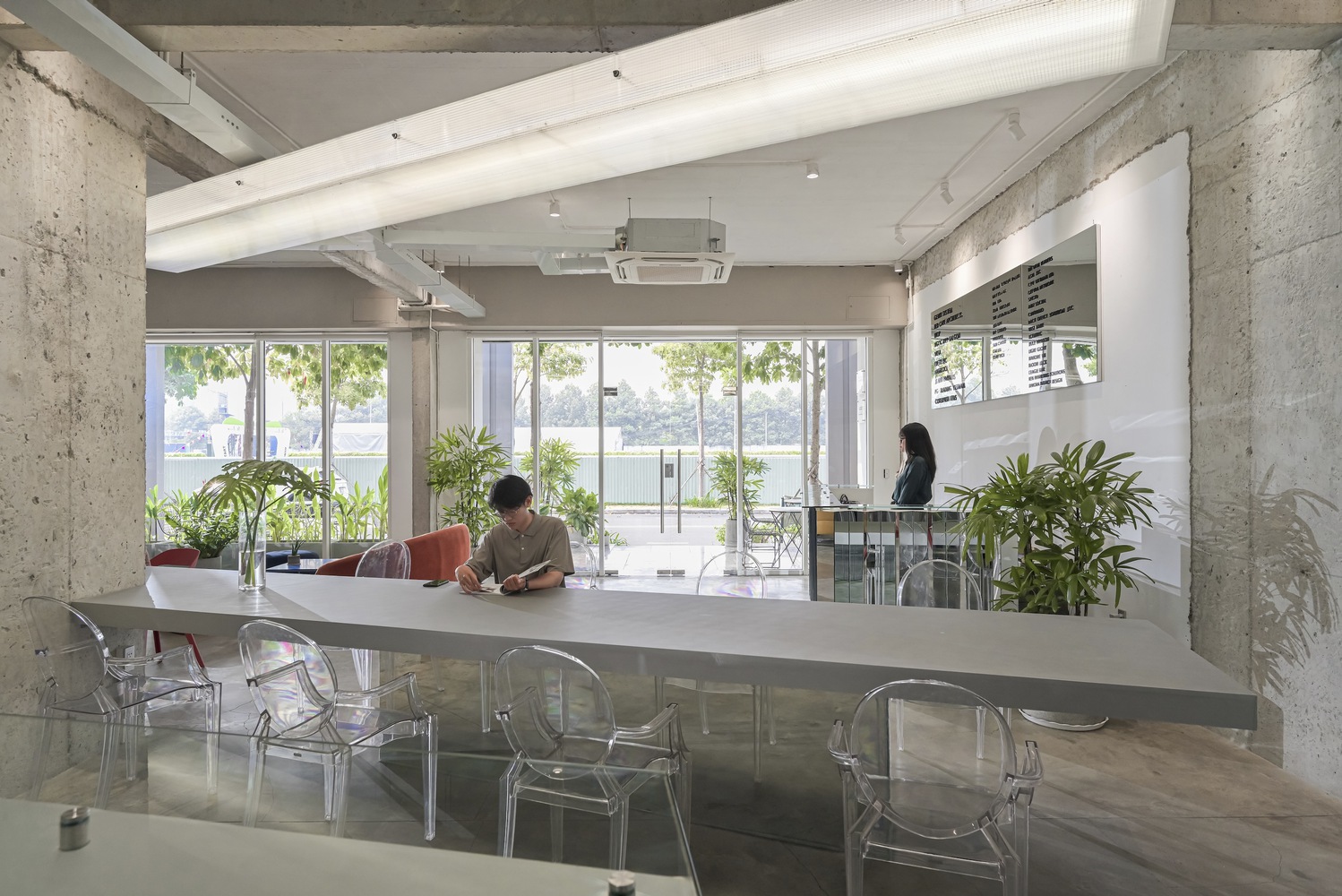
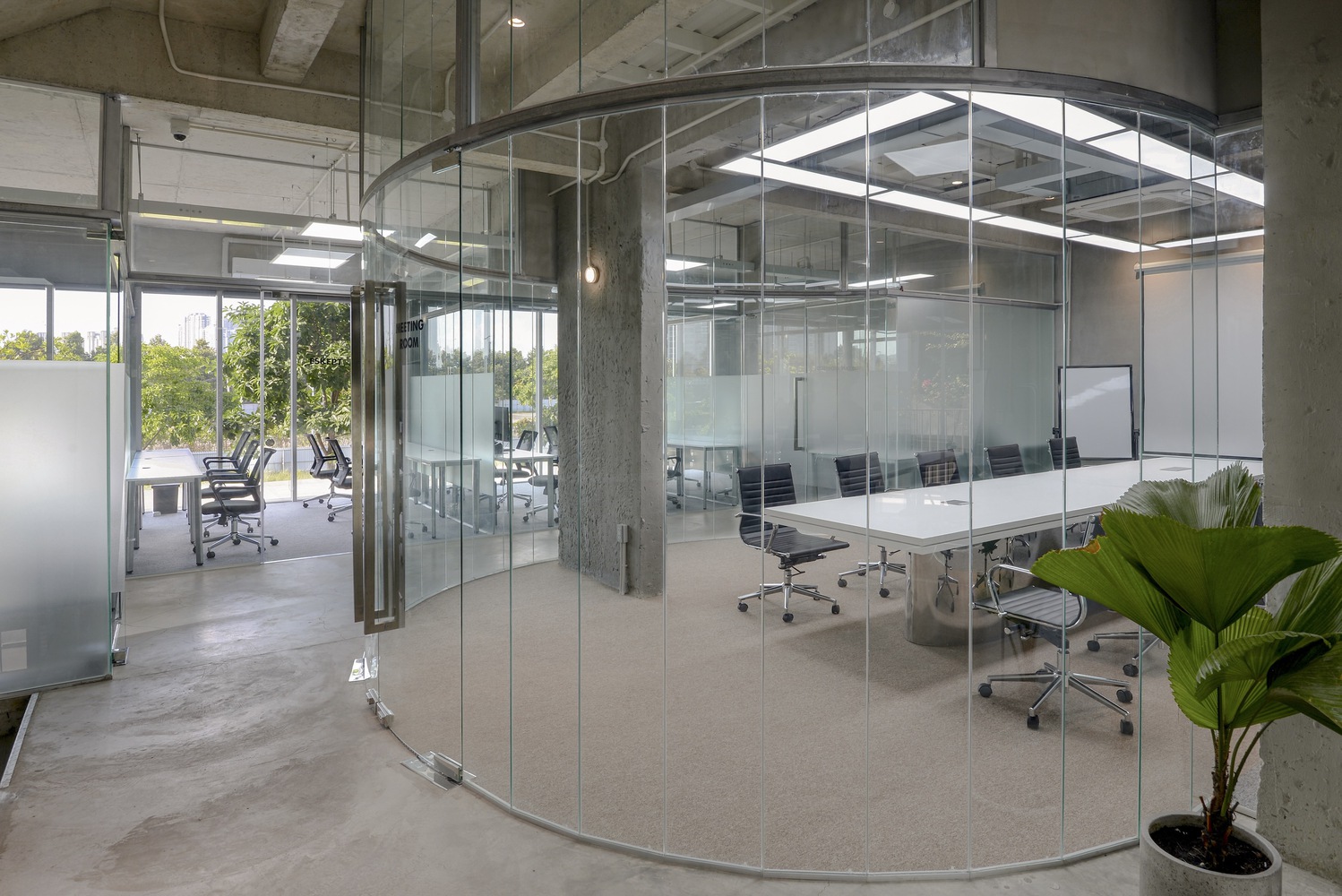
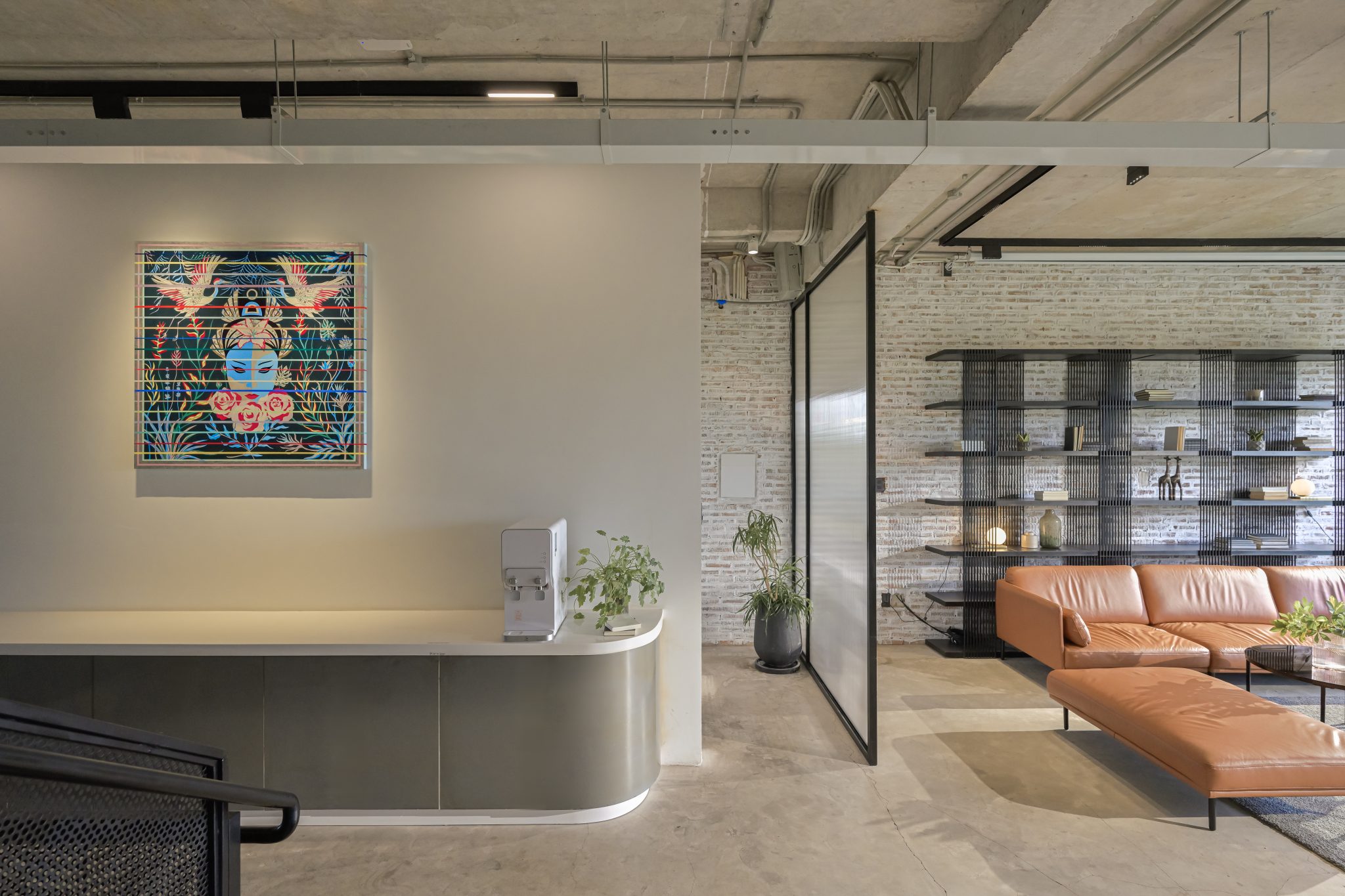
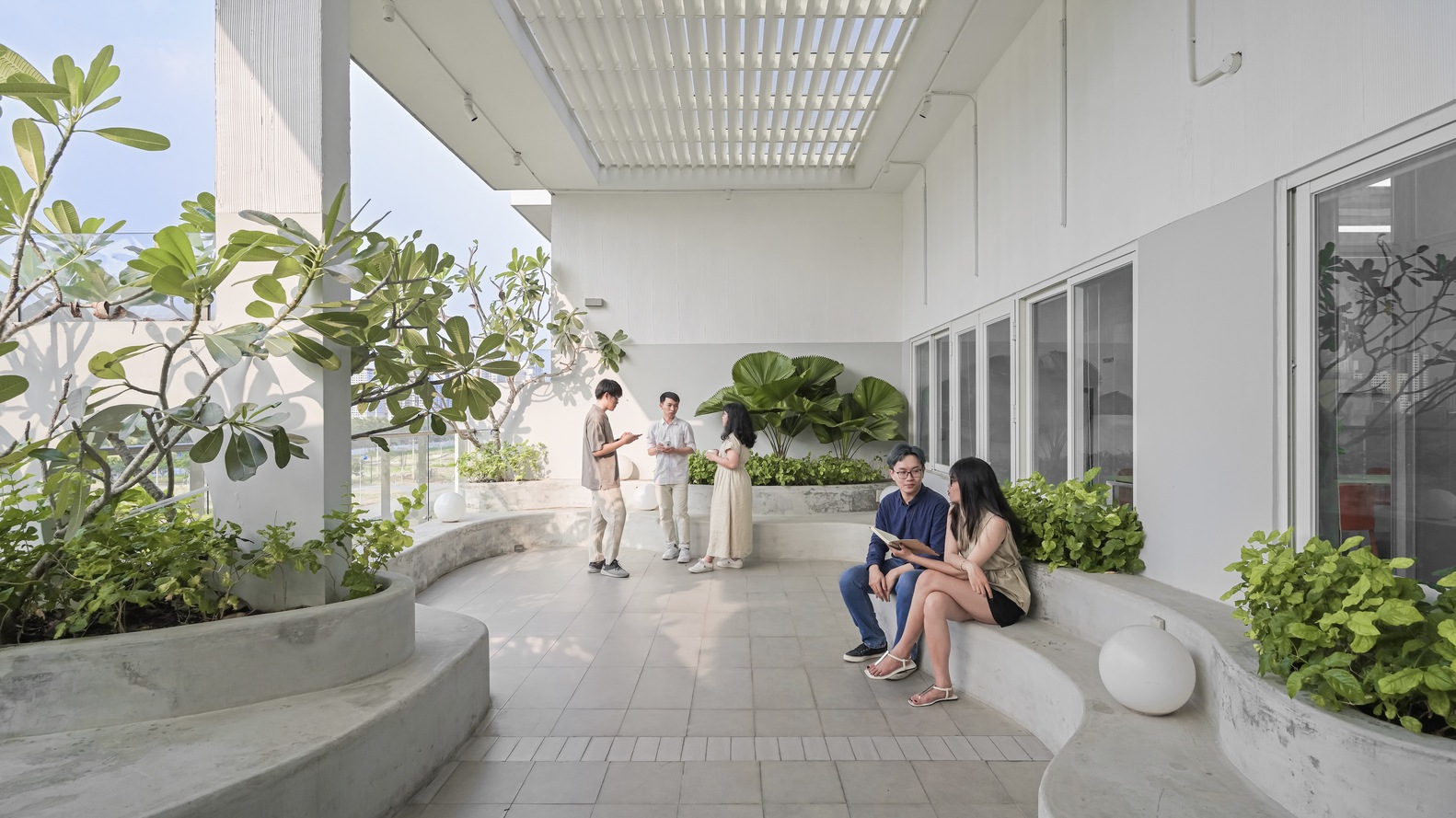
When multinational corporations and investment funds choose offices in Vietnam, green building standards are now an important factor. Among the certification systems in use, EDGE building certification is a popular choice for many developers and businesses. It is flexible, affordable, and suitable for many building types. In this article, Inspire Hub will explain what EDGE certification is, its levels, its assessment criteria, and the notable projects in Vietnam that have earned it. This guide helps businesses make a better decision before they lease or invest in a sustainable workspace.
What is EDGE green building certification?
EDGE green building certification is an international system developed and operated by the International Finance Corporation (IFC), a member of the World Bank Group. EDGE stands for Excellence in Design for Greater Efficiencies, which means excellent design that uses resources more efficiently. To earn EDGE certification, a project must achieve at least 20% savings in energy, water, and embodied carbon in materials, compared with a local baseline. The system is used in more than 100 countries, mainly in emerging markets such as Vietnam, where the need for sustainable development grows together with urbanization.
In Vietnam, the first EDGE certified building appeared in 2015. By the end of the second quarter of 2023, 106 of the 296 green buildings in Vietnam had been certified under this system, covering more than 3.8 million square meters of floor area. This made EDGE the green building certification system with the largest market share in Vietnam.
Benefits of EDGE Certification for businesses
For foreign companies, subsidiaries of international groups, and investment funds looking for offices in Vietnam, EDGE certification offers value beyond environmental benefits. The main benefits are:
- Lower operating costs over the long term, thanks to reduced use of electricity, water, and embodied energy in materials. This is especially useful for companies that lease offices for many years.
- A stronger brand image and more trust among international partners, investors, and customers, who increasingly value ESG criteria in their decisions.
- Better access to capital and more favorable financing terms, because many financial institutions and investment funds link green building criteria to their lending and investment policies.
- Support for the ESG and sustainability requirements that many multinational groups set for their supply chains and representative offices in emerging markets.
- A competitive advantage when attracting tenants or international partners, who often prefer workspaces with a globally recognized green standard.
These benefits are also central to the green office concept, which combines lower environmental impact with a healthier and more efficient workplace. For technology firms, architecture firms, import and export companies, and venture capital funds, choosing a workspace linked to a green building standard also shows a long term commitment to environmental responsibility. International partners and investors look at this factor carefully before they cooperate.

The levels of EDGE Certification
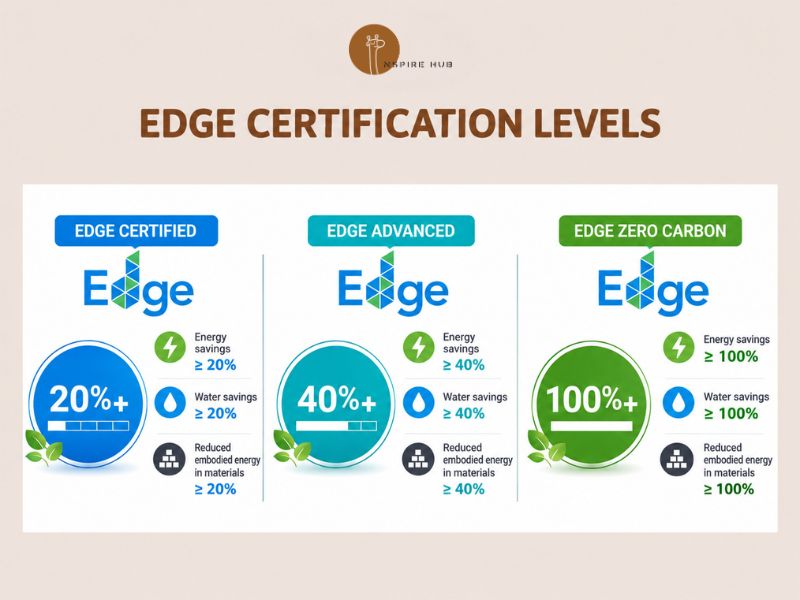
EDGE certification has a simple structure with three levels of recognition. Each level reflects how strongly a building commits to saving resources and reducing emissions. The three levels are shown below.
| Level | Main requirement | Meaning |
| EDGE Certified | At least 20% savings in energy, water, and embodied energy in materials | The base level, most common for new buildings |
| EDGE Advanced | Meets EDGE Certified and achieves at least 40% on site energy savings | Also recognized as Zero Carbon Ready |
| EDGE Zero Carbon | Meets EDGE Advanced and uses 100% renewable energy on site or off site, or buys carbon offsets to cover the remainder | The highest level, aimed at buildings with net zero carbon emissions |
These three levels let a business choose a target that fits its budget and development plan. They also give a reason to upgrade to higher levels in later stages of the building’s life. While EDGE focuses on resource efficiency, WELL certification places greater emphasis on the health and well-being of people who use a building.
What are the EDGE assessment criteria?
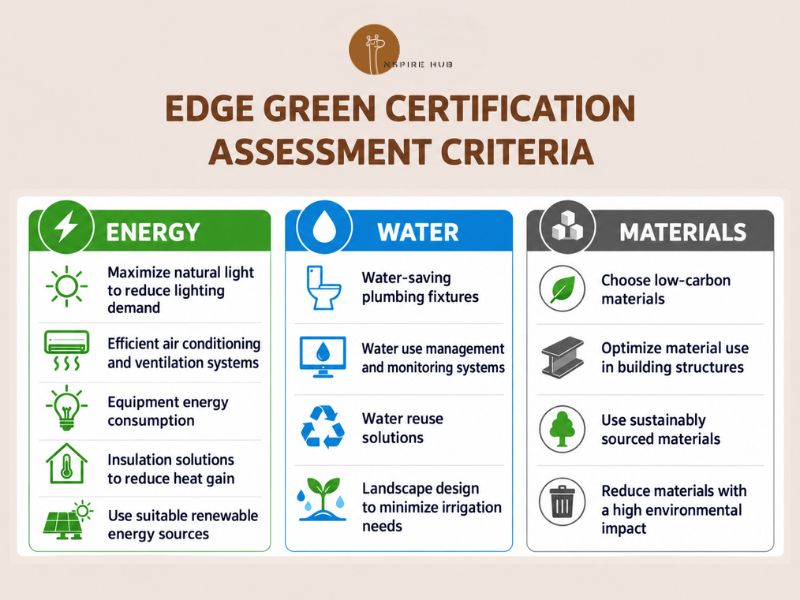
The EDGE standard focuses on three main pillars. The results are calculated with an online application developed by IFC.
Energy efficiency
This criterion measures how much a building reduces electricity use compared with a standard reference building. Typical solutions include passive design, insulation materials, and high efficiency lighting and air conditioning systems. Many projects in Vietnam have saved far more energy than the minimum threshold, which shows that this criterion works well in a tropical climate.
Water efficiency
This criterion looks at solutions that reduce the use of fresh water during building operation. These include water saving sanitary fixtures, systems that reuse rainwater or treated wastewater, and low water landscaping. It is an important factor for large cities in Vietnam, where pressure on fresh water supply increases with urbanization.
Sustainable resources and materials
The third criterion relates to the embodied energy in building materials, which is the energy needed to produce, transport, and install them. EDGE encourages the use of recycled materials, local materials, and optimized structural solutions. These solutions reduce the amount of material used while still meeting technical and safety requirements.
Top buildings in Vietnam have EDGE Certification
The Vietnamese market has many EDGE certified projects of different types, from housing and offices to industrial and educational buildings. This shows that the EDGE system can be applied to many construction contexts in Vietnam. Notable examples include:
- Anland Complex in Hanoi, developed by Nam Cuong Group, is one of the first high end projects in Vietnam to receive EDGE certification. It saves about 28% in electricity, water, and the energy used to produce materials.
- Artisan Park in Binh Duong, developed by Gamuda Land Vietnam, earned EDGE Advanced certification. It has average energy savings of about 70%, water savings of about 28%, and a reduction of about 45% in embodied energy in materials.
- Sycamore in Binh Duong, developed by CapitaLand Development Vietnam, earned EDGE certification. It covers more than 75,000 square meters of floor area, with energy savings of at least 25% and water savings of at least 29%.
- K-Home New City in the Ho Chi Minh City area, in the Bang Lang subdivision, is the first social housing block in this area to receive EDGE preliminary certification. It reduces energy use by 26%, water use by 28%, and carbon in building materials by 52%.
- TD Tower in Thu Duc, Ho Chi Minh City, is designed to the EDGE Advanced Preliminary standard. It reaches energy efficiency of up to 41% and water efficiency of up to 43%.
These projects show that EDGE certification is no longer a new idea. It is now a practical standard used across residential property, industrial parks, and office buildings in major Vietnamese cities.
How can a business obtain EDGE Certification?
A company that is not a developer but wants to lease an office can take a practical approach. Businesses that prefer to lease can compare coworking spaces in Ho Chi Minh City and choose a workspace that matches their location, size, and sustainability priorities.
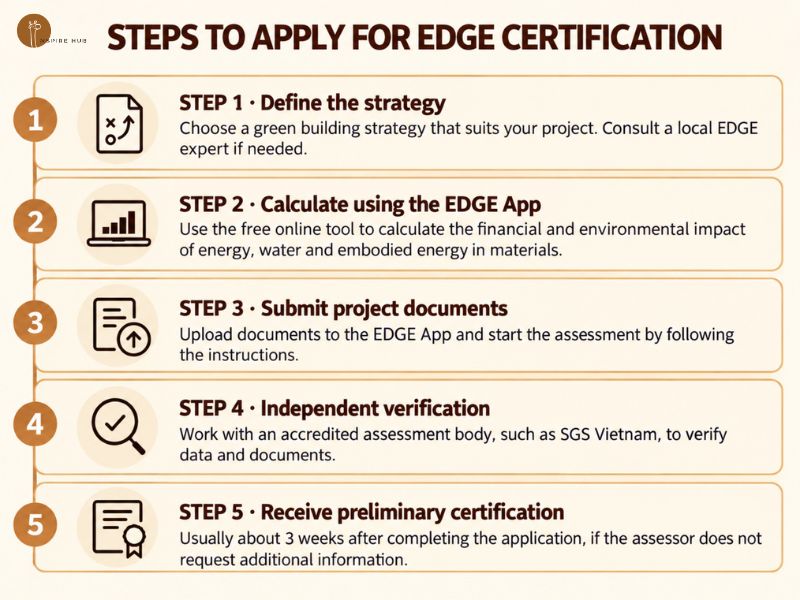
- Step 1: Define a green building strategy that suits the project. A locally trained EDGE expert can support this step.
- Step 2: Use the EDGE App, a free online tool, to calculate the financial and environmental impact related to electricity, water, and embodied energy in materials.
- Step 3: Upload the project documents to the EDGE App and start the assessment process as guided by the system.
- Step 4: Work with an accredited independent auditor, such as SGS Vietnam, to verify the declared data and documents.
- Step 5: Receive the preliminary certificate, which is usually ready about three weeks after the documents are complete, if the auditor does not request additional information.
A company that is not a developer but wants to lease an office can take a practical approach. It can choose a workspace operator with a clear sustainability direction, located in an area with coordinated green planning, low building density, and modern infrastructure. This lets the company work in an environmentally friendly space without going through the full certification process.
EDGE building certification has become one of the most influential green building standards in Vietnam. It has three clear levels and a set of criteria focused on energy, water, and sustainable materials. With more than 100 certified projects and a growing certified floor area, choosing a workspace that meets green standards is becoming a necessary requirement for international companies, technology groups, and investment funds in Vietnam.
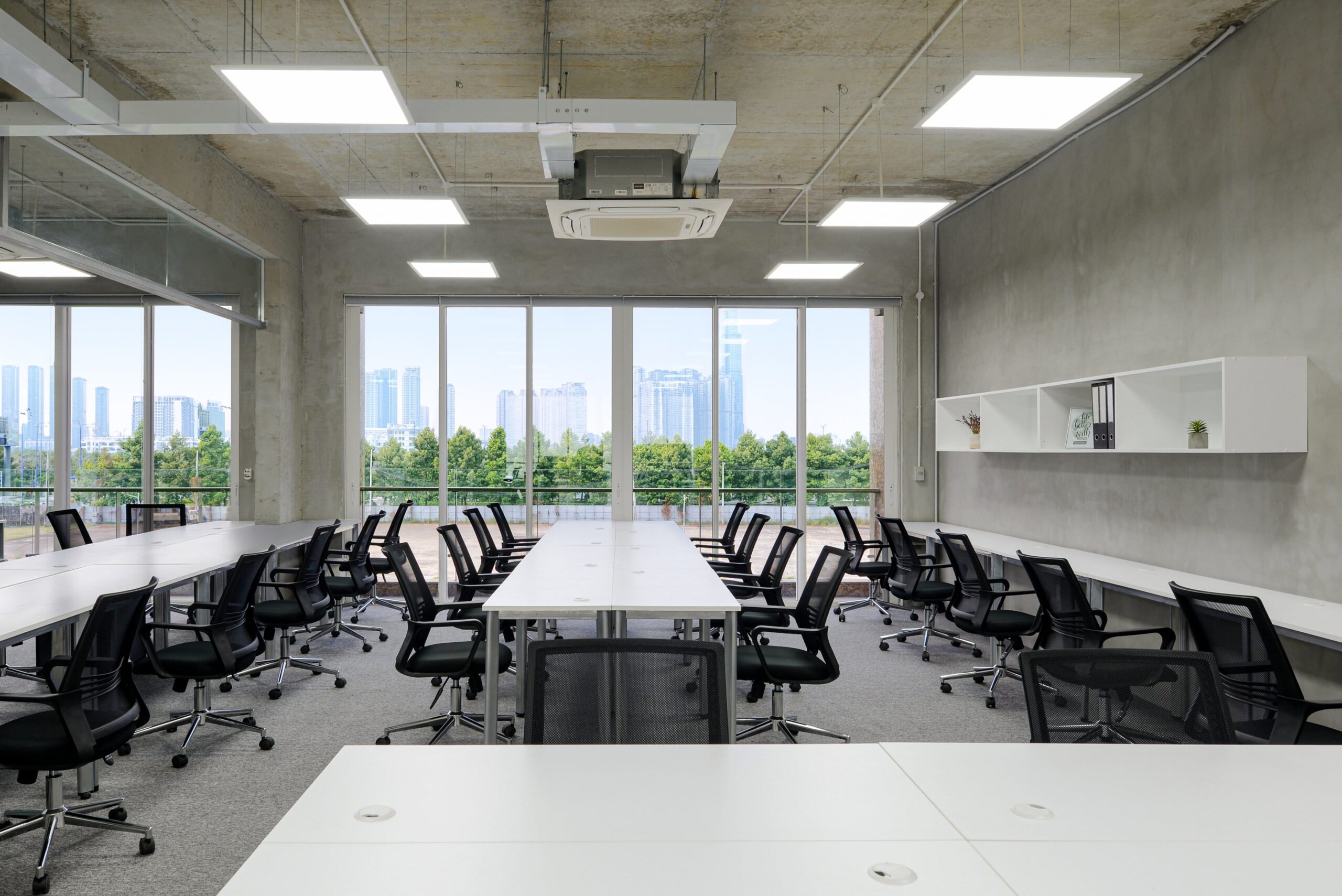
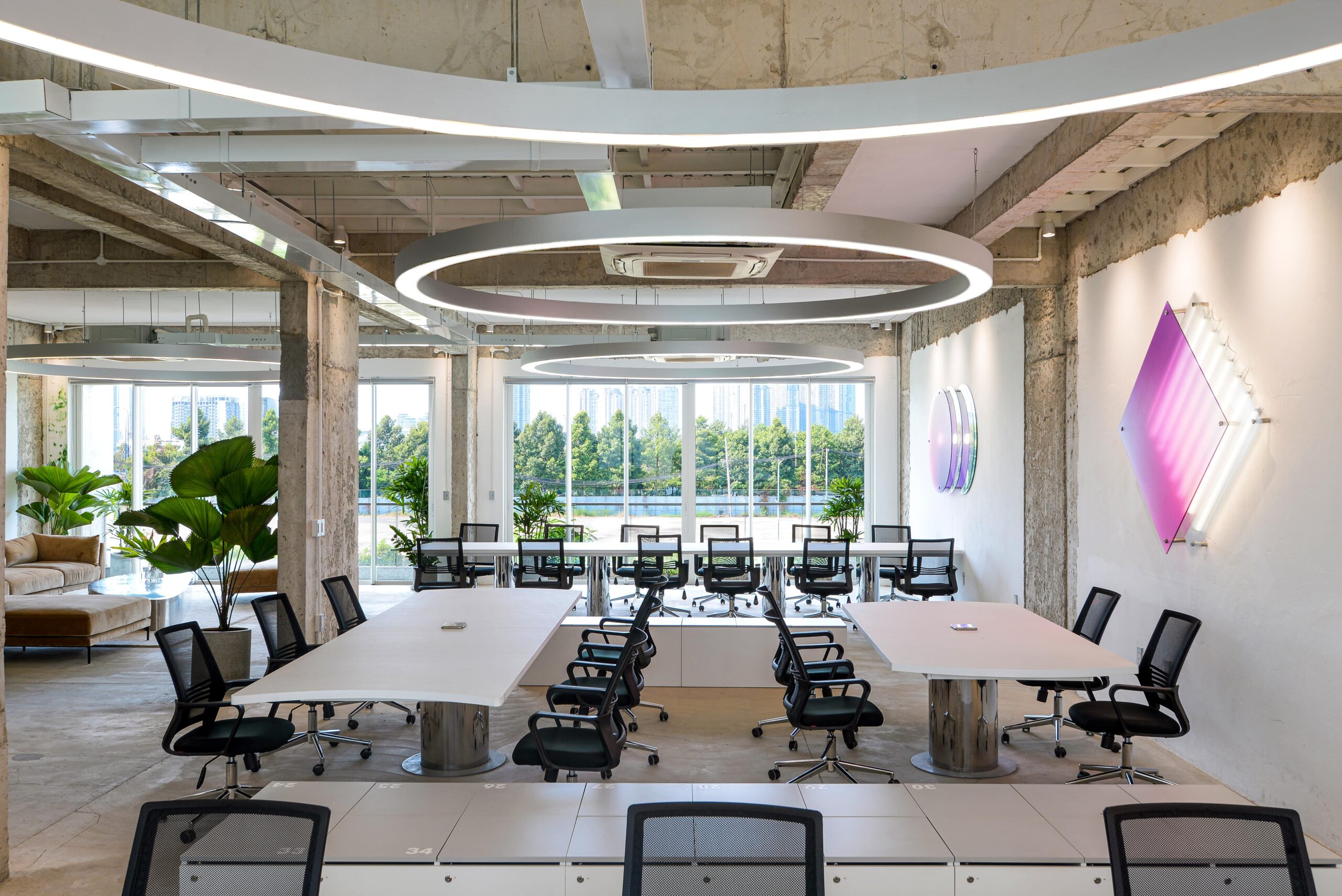
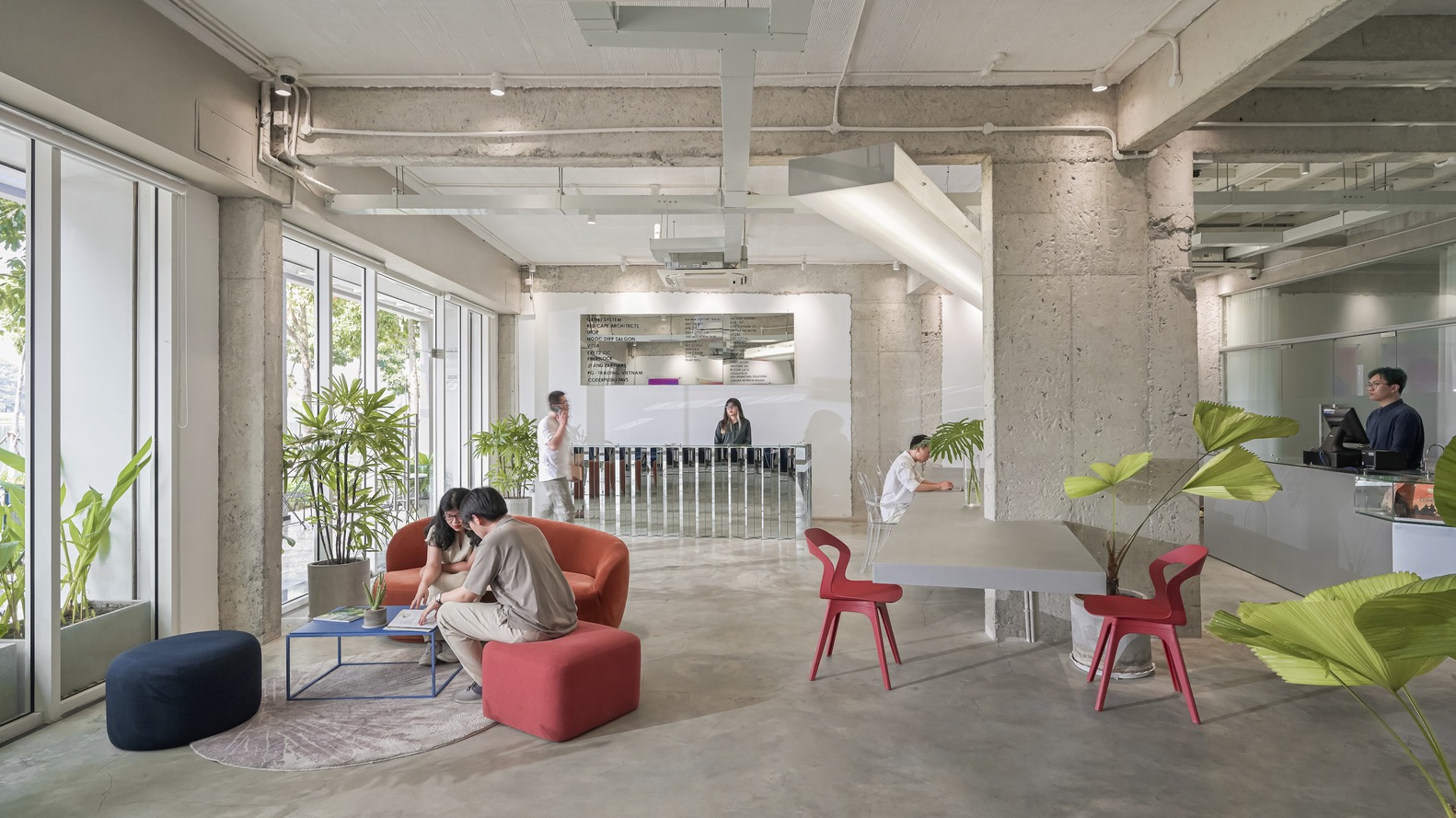
If your business is looking for a professional, modern workspace with a green focus in Ho Chi Minh City, Inspire Hub is ready to support you. We offer flexible office solutions in a strategic location in the Sala Urban Area. Contact Inspire Hub today to find a workspace that fits your sustainable growth plan.