

 Tiếng Việt

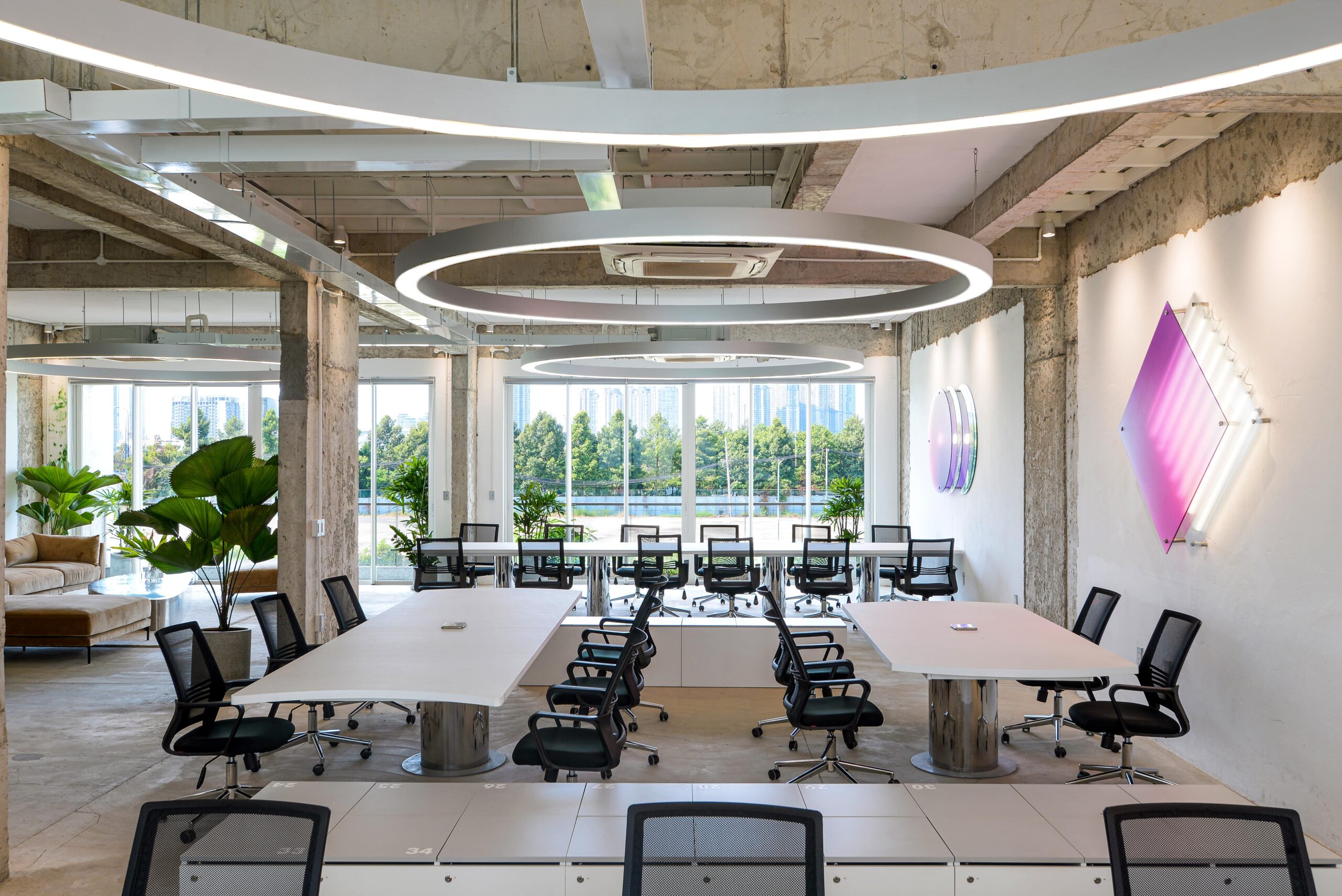
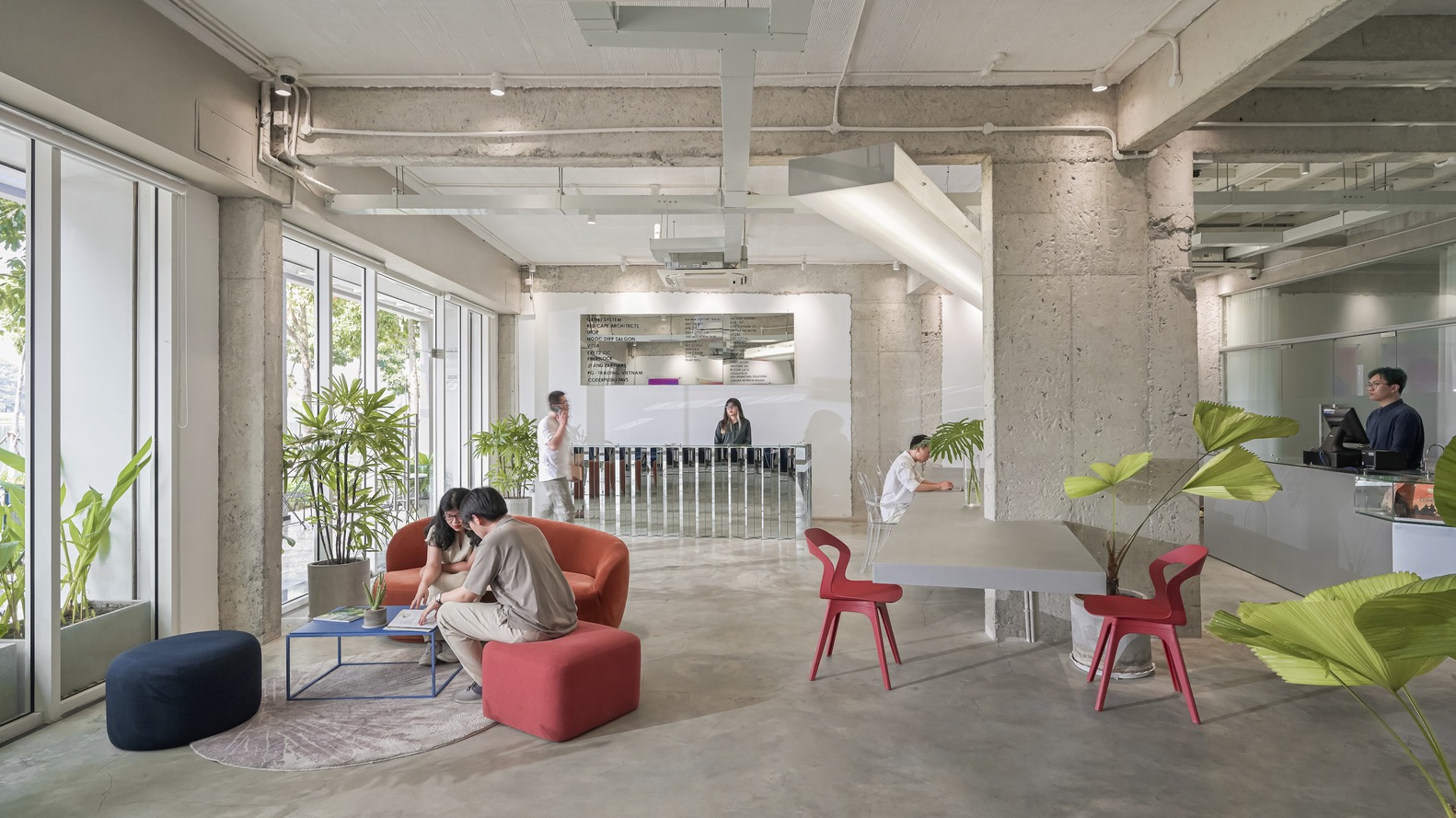
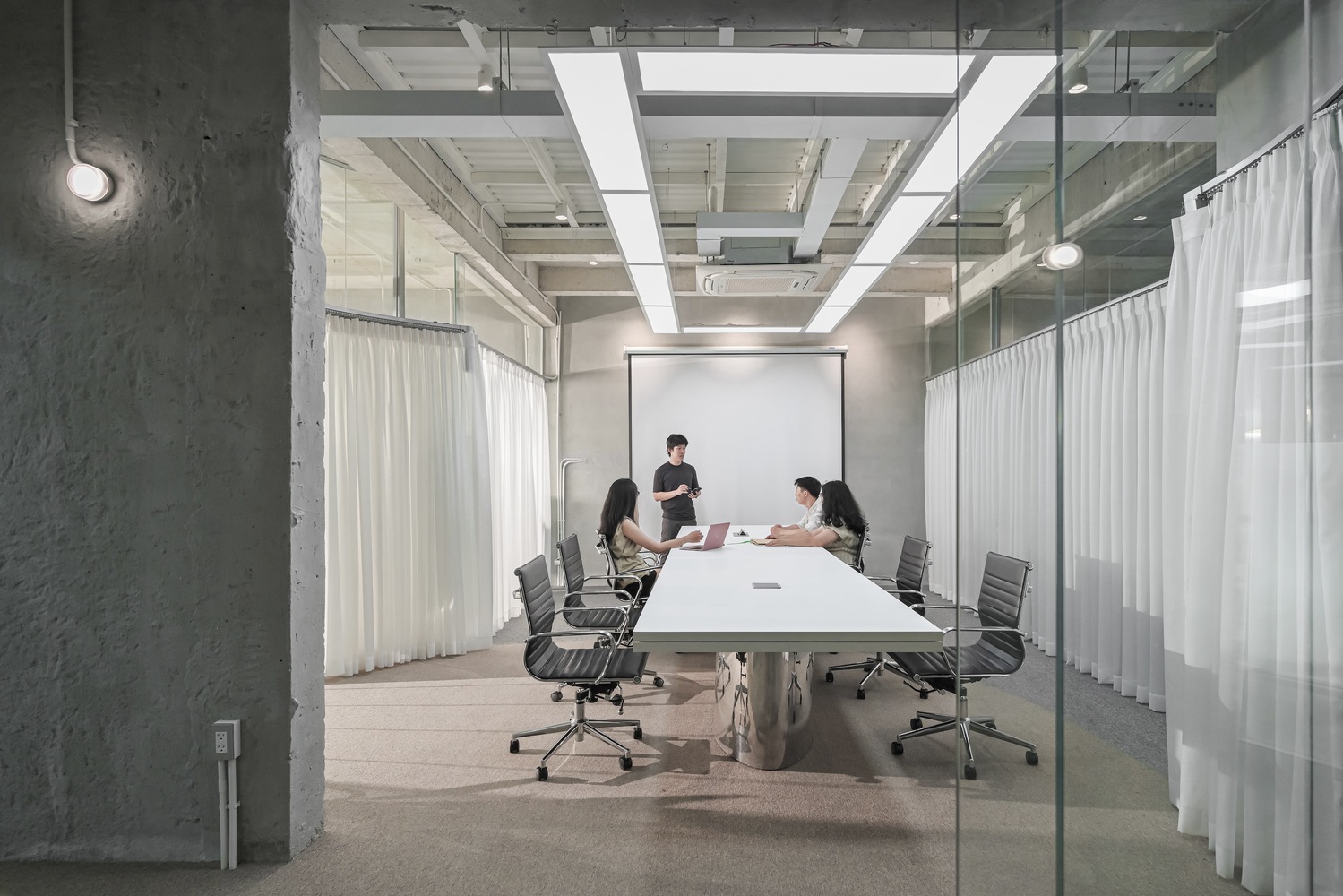
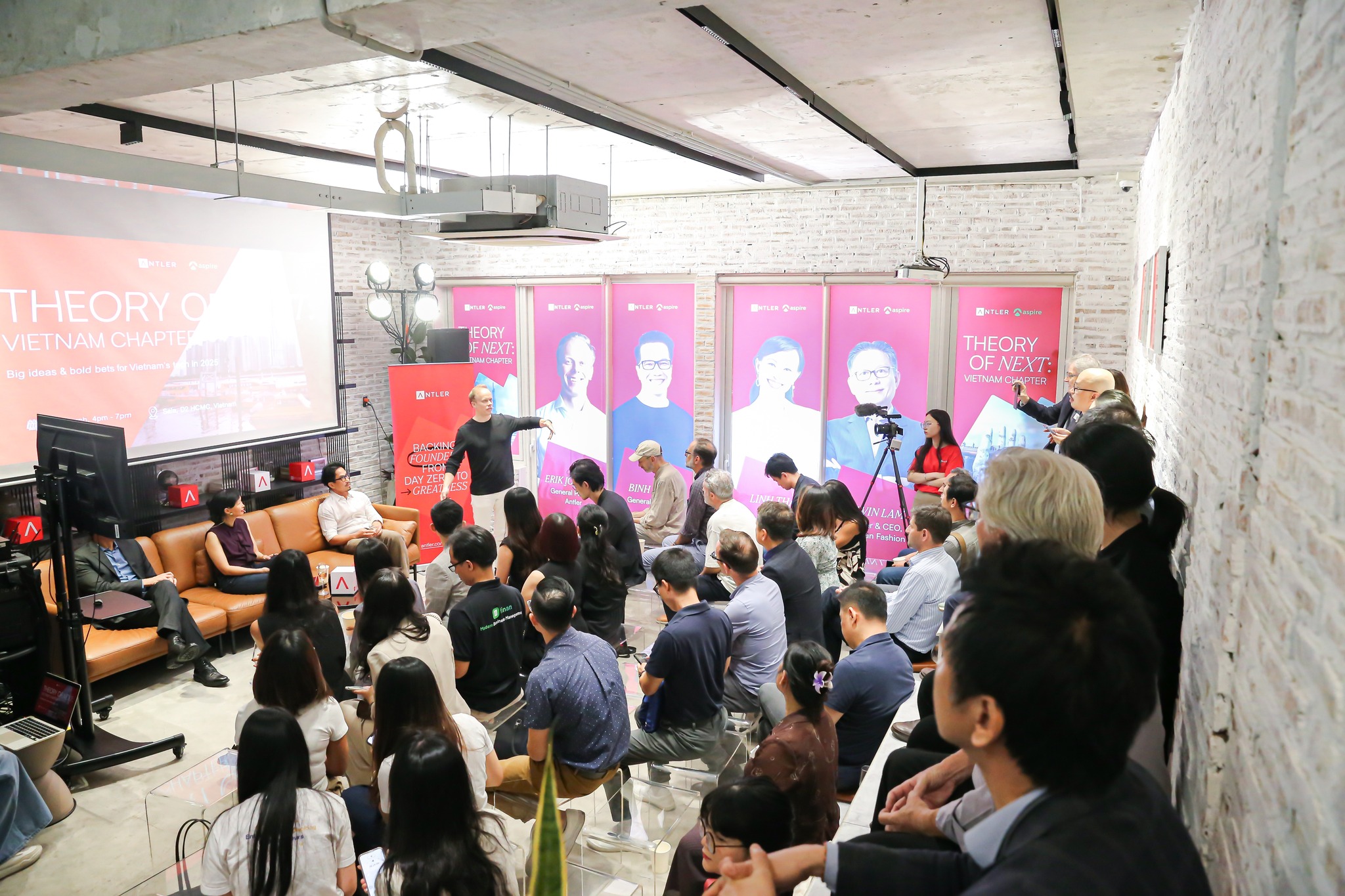
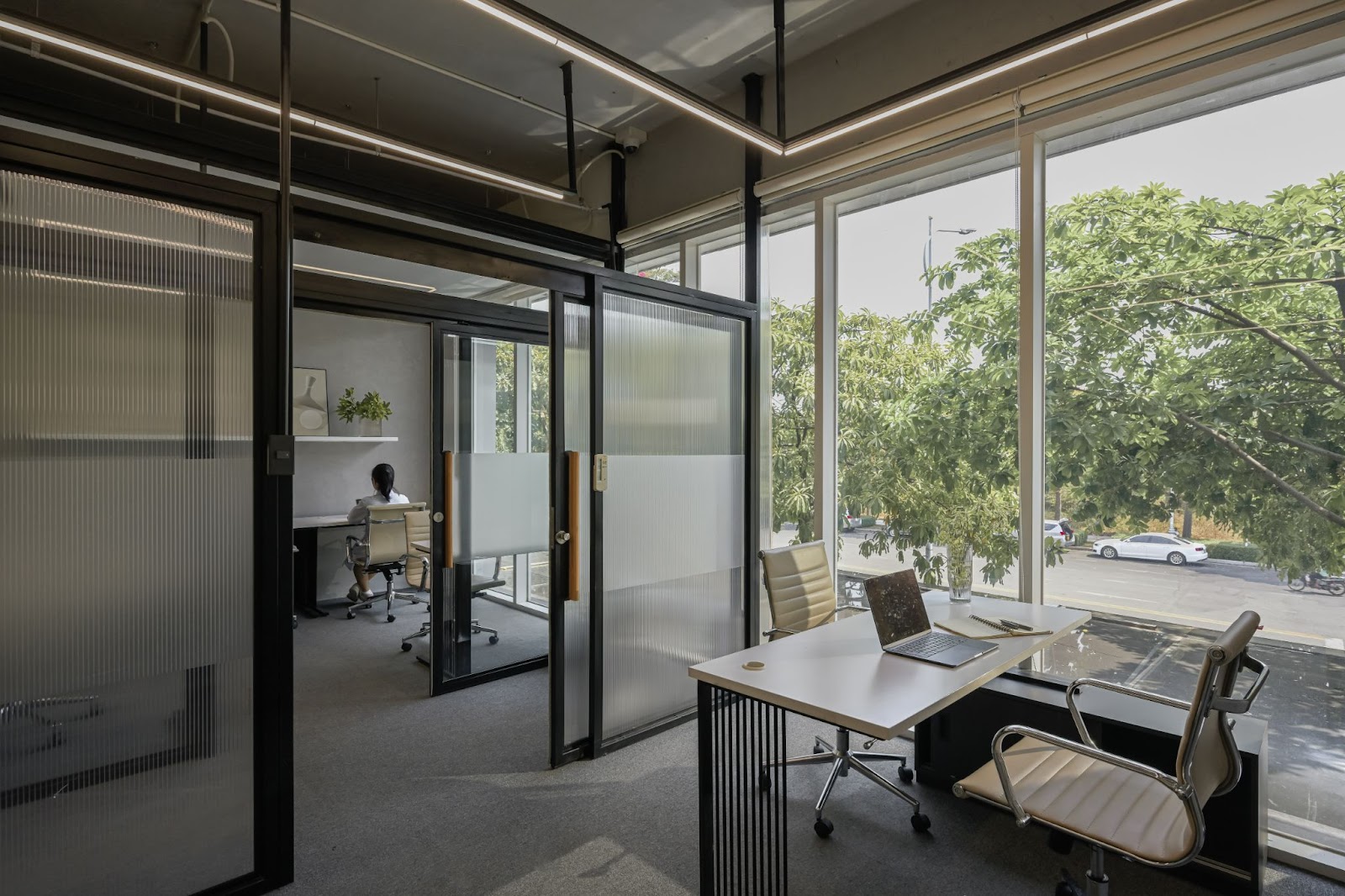
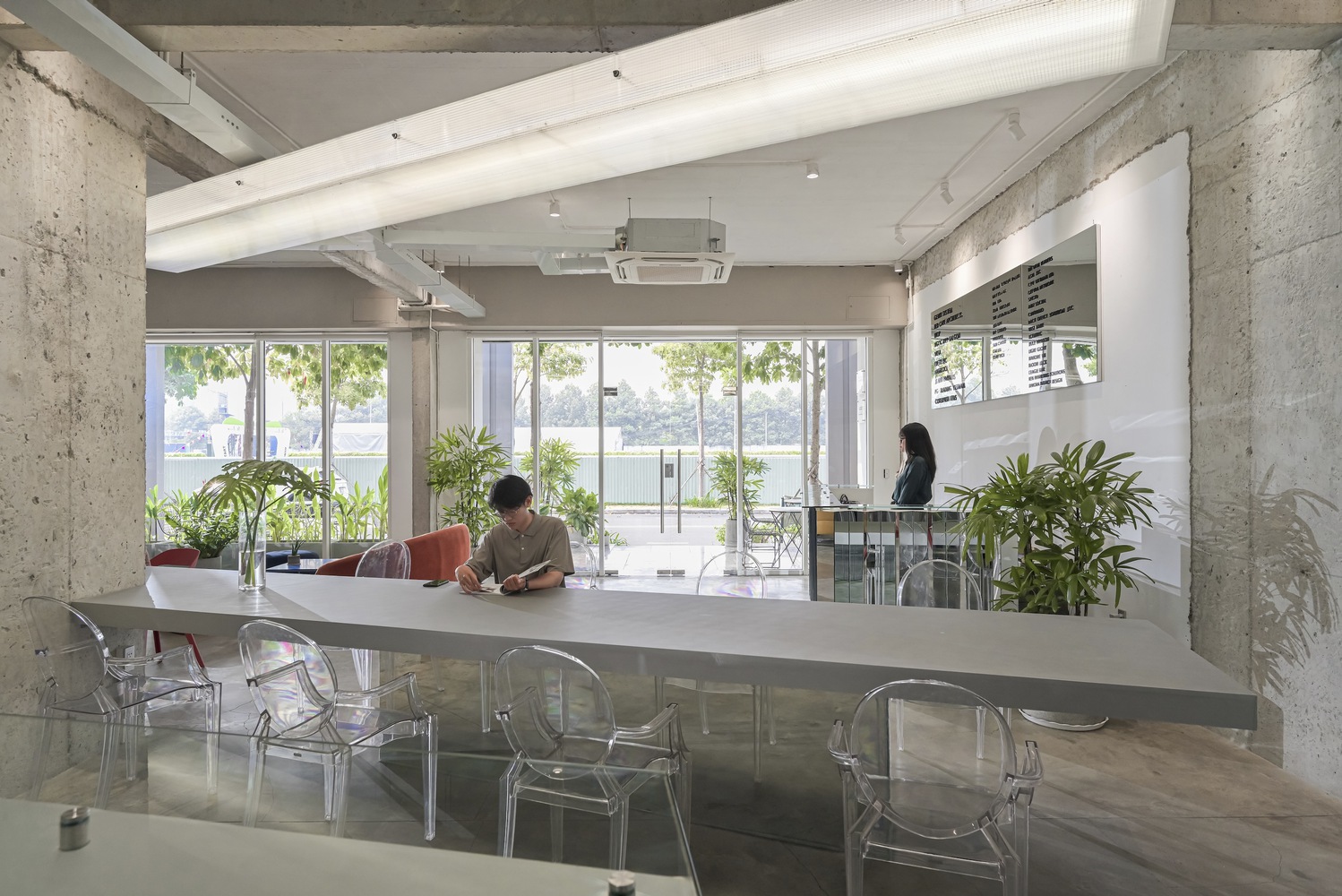
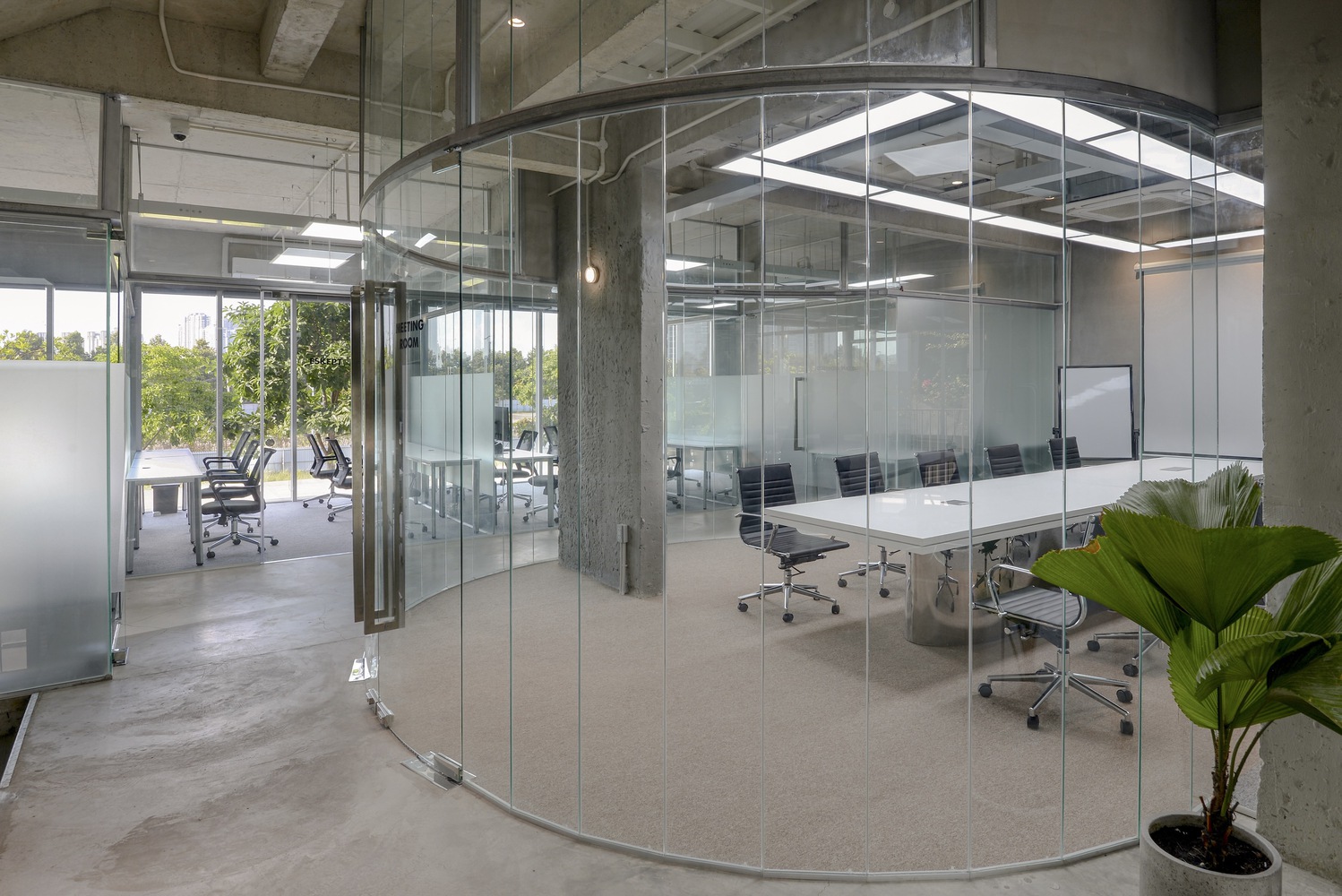
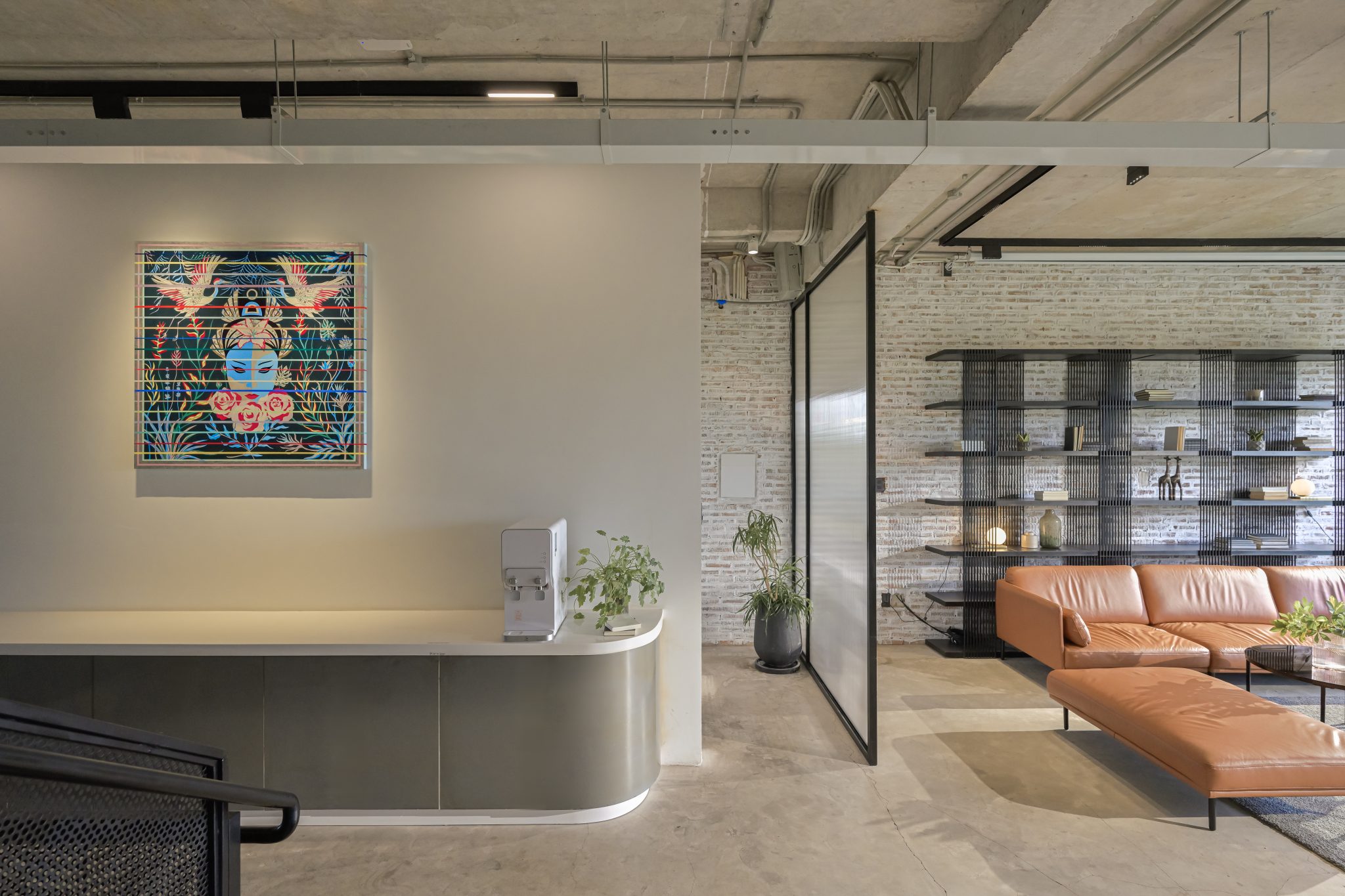

Many professionals use shared office space and coworking space interchangeably, but do not fully understand what sets them apart. In this article, Inspire Hub will break down the comparison between shared office space and coworking space in detail, so you can make the most informed decision for your business.
An overview of shared office space and coworking space
What is a shared office space?
A shared office space, also referred to as a serviced office, is a model in which multiple businesses or individuals share a single office environment and its physical infrastructure, including utilities, internet, meeting rooms, and reception areas, while each tenant retains their own distinct working area.
>> View more: What is shared office space? Types and key features
What is a coworking space?
A coworking space is a more open and community-oriented model in which individuals and organizations from diverse fields work together in an environment specifically designed to encourage connection, idea-sharing, and organic collaboration.

>> View more: What is a coworking space? Key benefits for businesses
Services available at shared office space and coworking space
Both models provide a comparable set of services, which is precisely why the two terms are so often confused. However, the way these services are delivered and the level of investment behind each one differs in meaningful ways.
Services typically available at both shared office spaces and coworking spaces include:
- Workspace with desks, chairs, lighting, and air conditioning
- High-speed internet (Wifi and wired connection)
- Meeting rooms bookable by the hour or included in the package
- A legal business address for company registration
- Mail and parcel receipt and handling
- Cleaning and common area maintenance
- Security and access control

Shared office space vs coworking space: What is the actual difference?
Shared office space and coworking space are two terms most commonly used to describe the same flexible workspace model, one where multiple individuals or businesses share infrastructure, amenities, and office services within a single operated location. In practice in the Vietnamese market, shared office (văn phòng chia sẻ) is the widely used local Vietnamese term, while “coworking space” is the internationally recognized term used more broadly across service websites and commercial real estate marketing.
In terms of operational substance, both describe a move-in-ready, fully equipped office model with options such as hot desks, dedicated desks, private offices, and meeting rooms alongside shared amenities. This model helps businesses significantly reduce upfront capital expenditure, shorten setup time, and scale their footprint up or down based on actual headcount needs.
When viewed through the lens of search behavior and user intent, the primary difference lies in framing rather than in the nature of the model itself. When users search for “shared office space,” they typically focus on the need to rent a seat or a shared workspace. When they use the term “coworking space,” the context tends to expand toward flexible working experience, community, amenities, and the broader service ecosystem.
Shared benefits of shared office space and coworking space
Both shared office spaces and coworking spaces deliver fundamental advantages that significantly outperform traditional offices, particularly for small and medium-sized businesses, startups, and foreign companies entering a new market.
- Significant savings on upfront investment: No fit-out or furniture costs required, the space is immediately ready with a minimal initial outlay of just one to two months’ deposit.
- Move in and start working immediately: All infrastructure is already in place, from desks and internet to meeting rooms and administrative services, eliminating the two-to-four month setup timeline typical of a traditional office.
- Transparent and predictable operating costs: The all-inclusive model bundles electricity, water, internet, cleaning, and all amenities into a single fixed monthly fee, with no hidden charges or surprise invoices.
- A legally valid business address: Both models support legitimate business address registration, making them well-suited for foreign companies that need a Vietnamese legal entity established quickly.
- Flexibility to scale at each stage: As your team grows or contracts, arrangements can be adjusted easily without the constraints of a long-term traditional office lease.
- Access to premium infrastructure at a fraction of the cost: Professional meeting rooms, reception lobbies, and shared facilities are available at a cost level that would be far higher to replicate independently.

Neither shared office space nor coworking space is inherently better or worse in absolute terms, each model serves different needs and different stages of business development. The right choice depends on your team size, working style, need for privacy, and how much flexibility you require at your current stage of growth.
Follow Inspire Hub – Workspace in HCMC for more articles and insights on flexible workspaces and modern office solutions.