

 Tiếng Việt
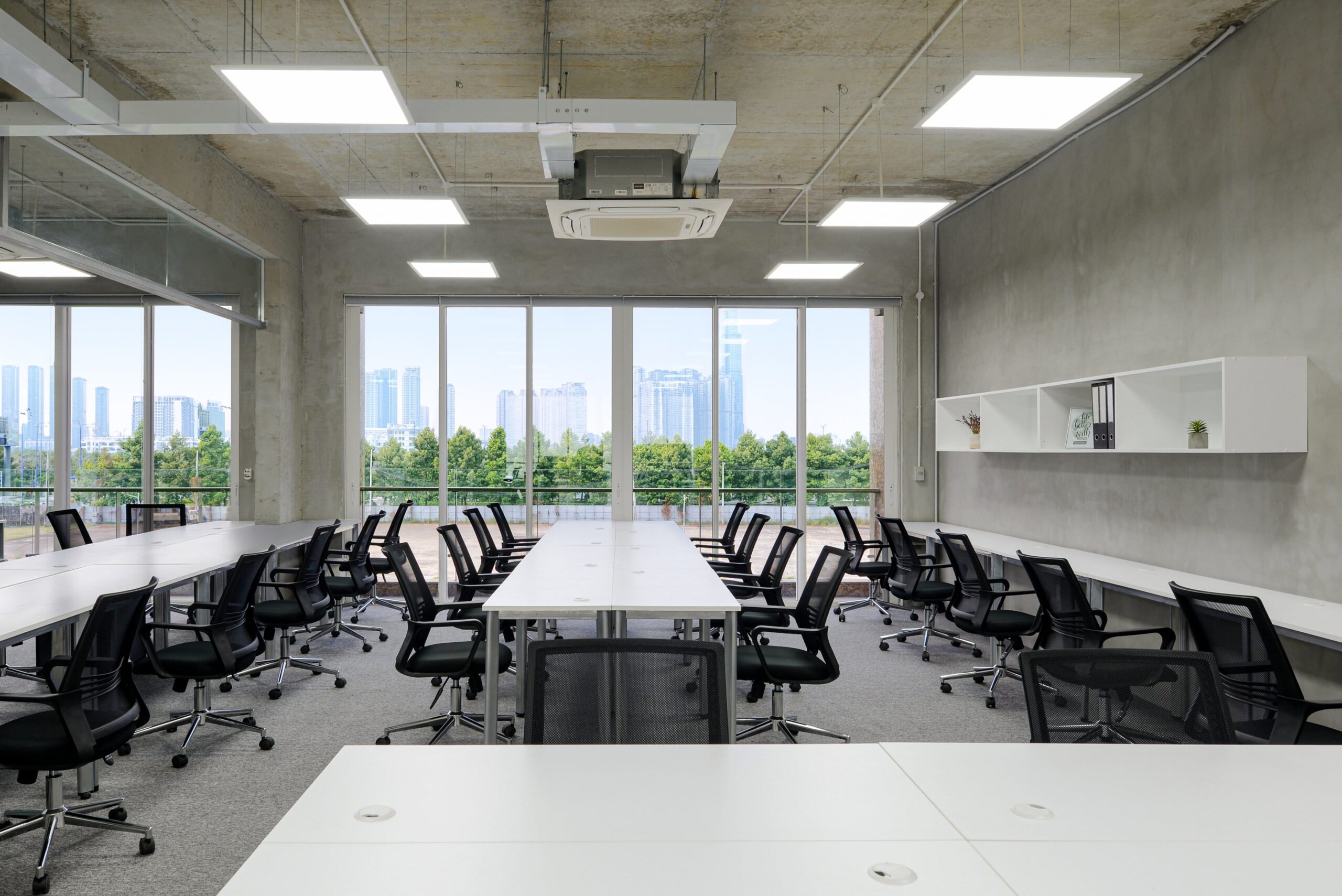
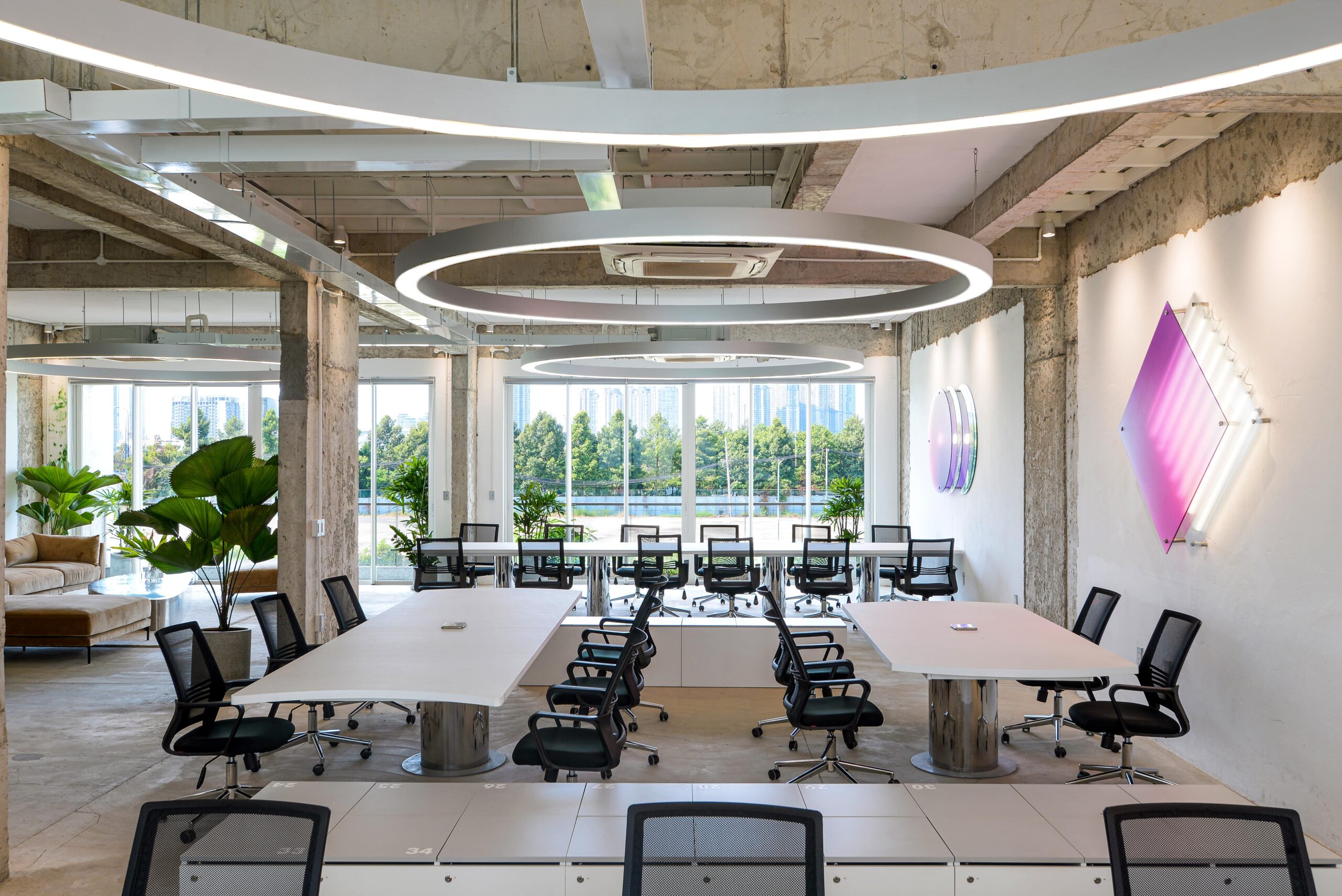
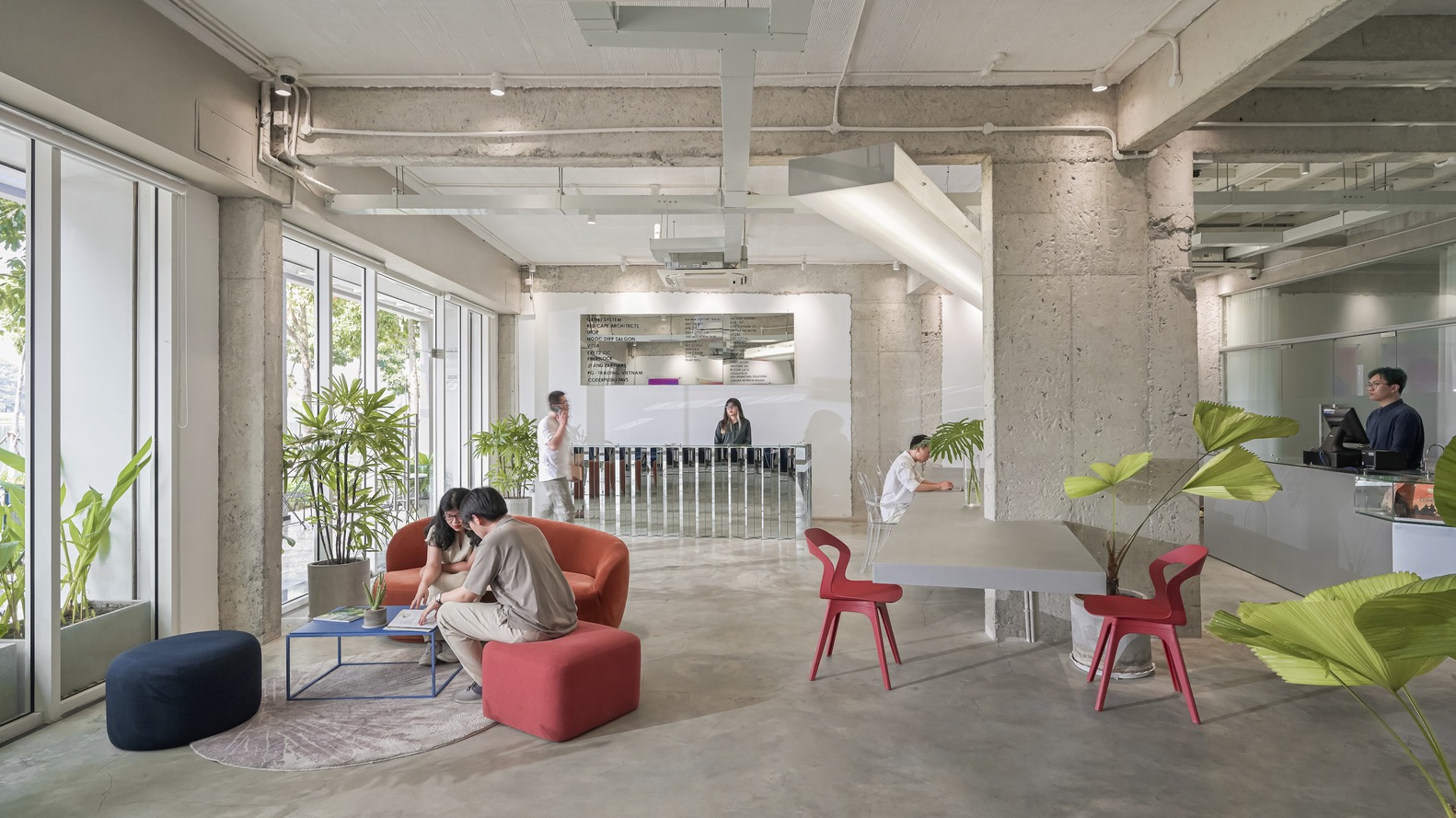
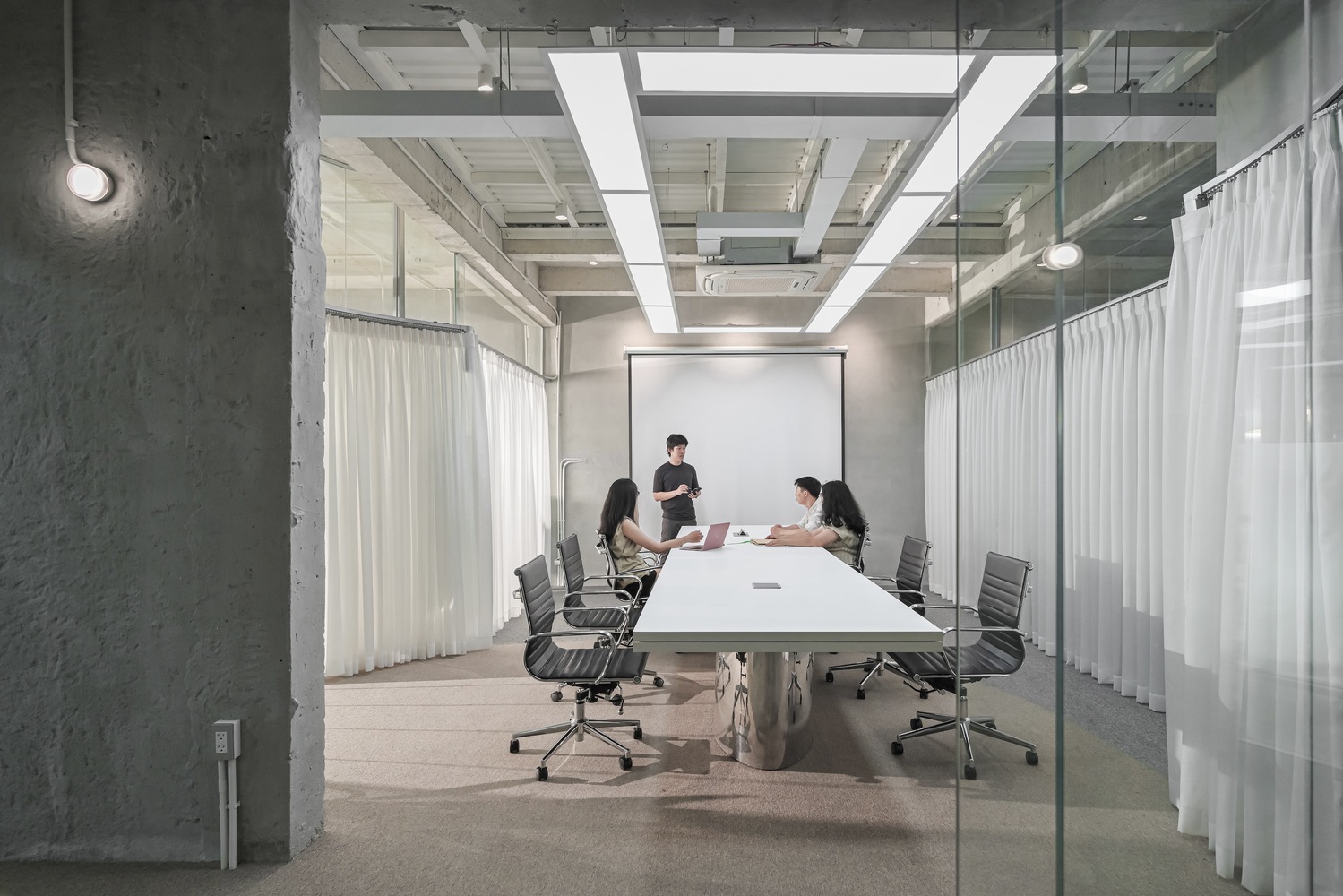
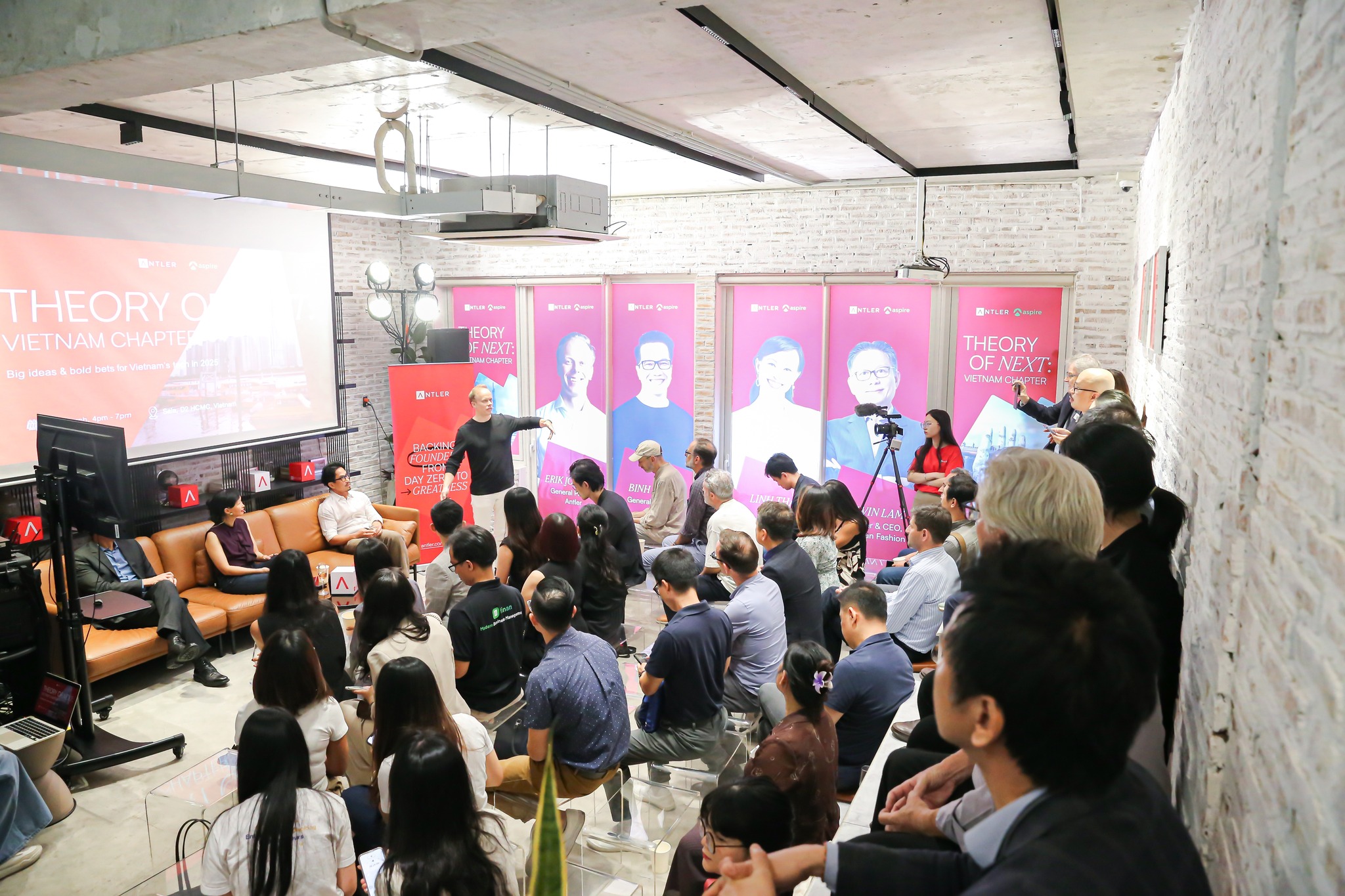
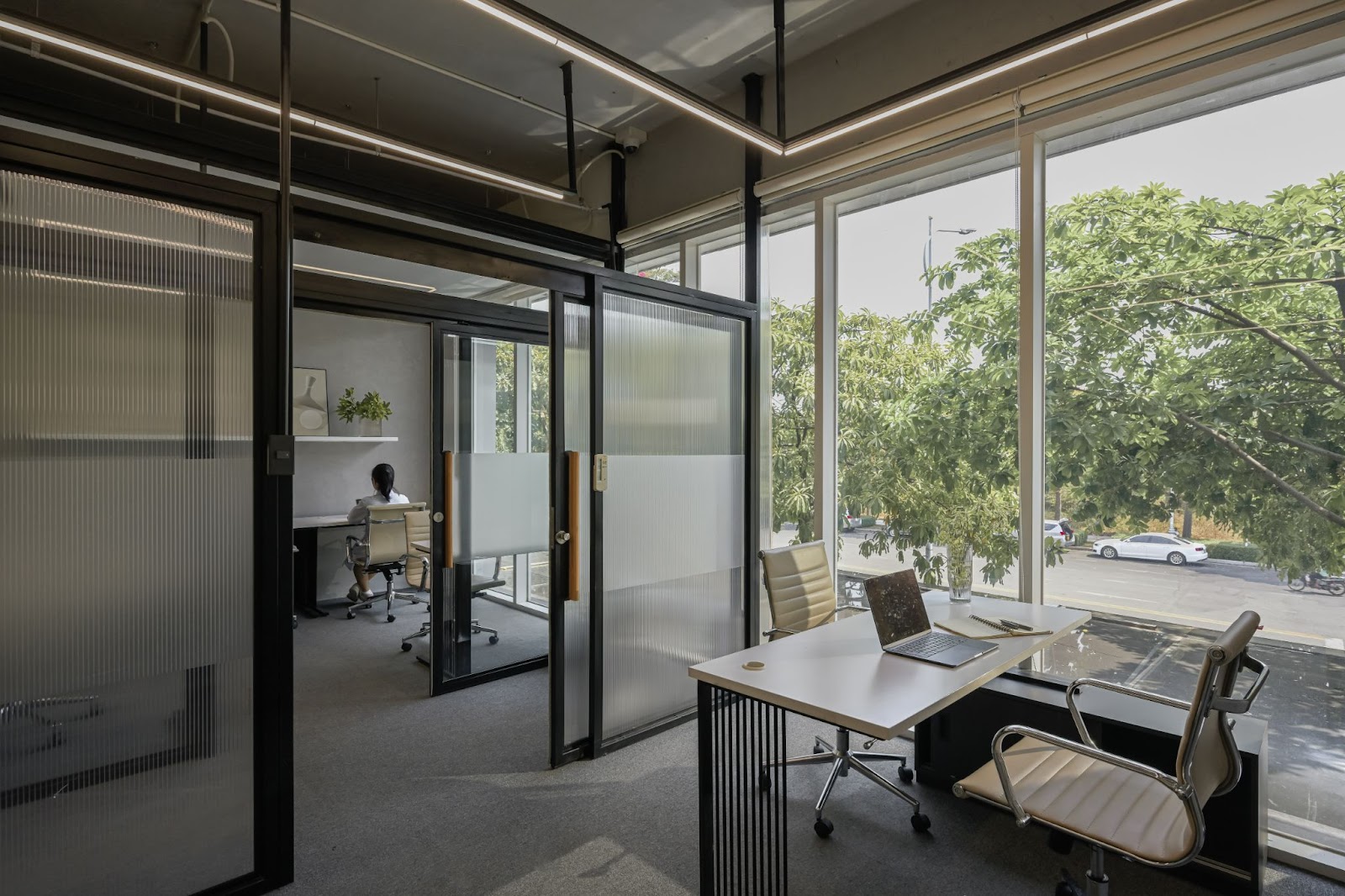
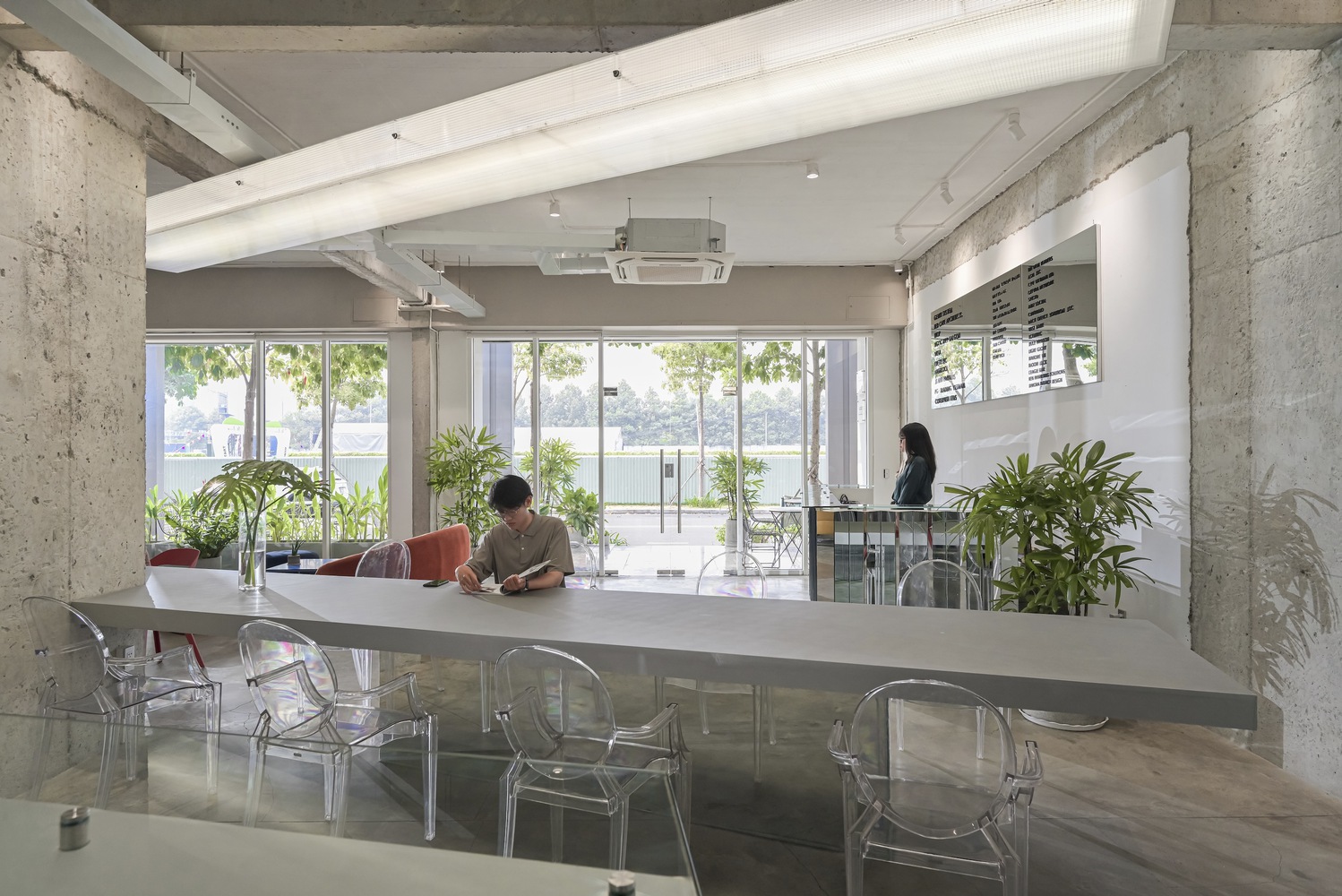
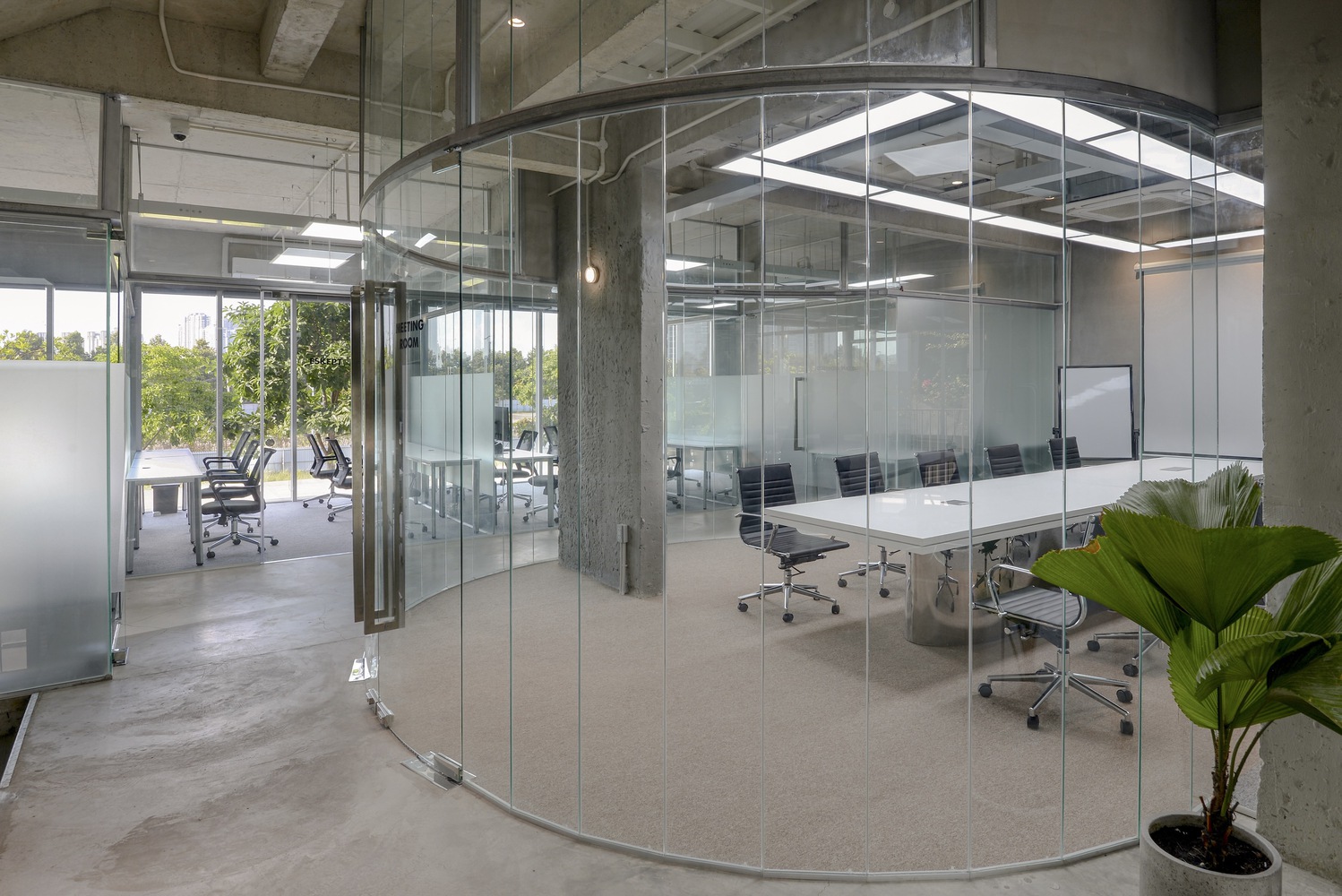
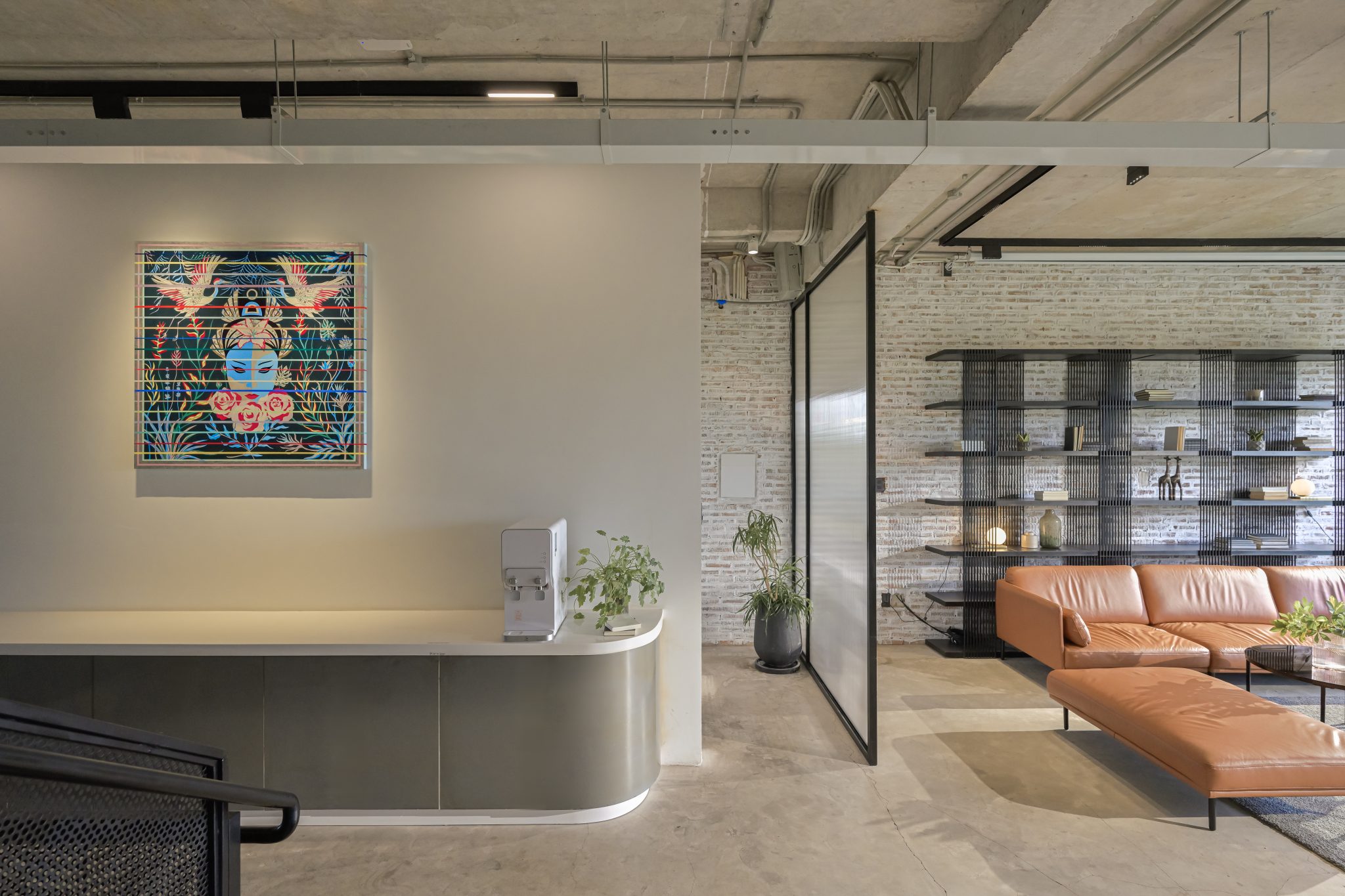
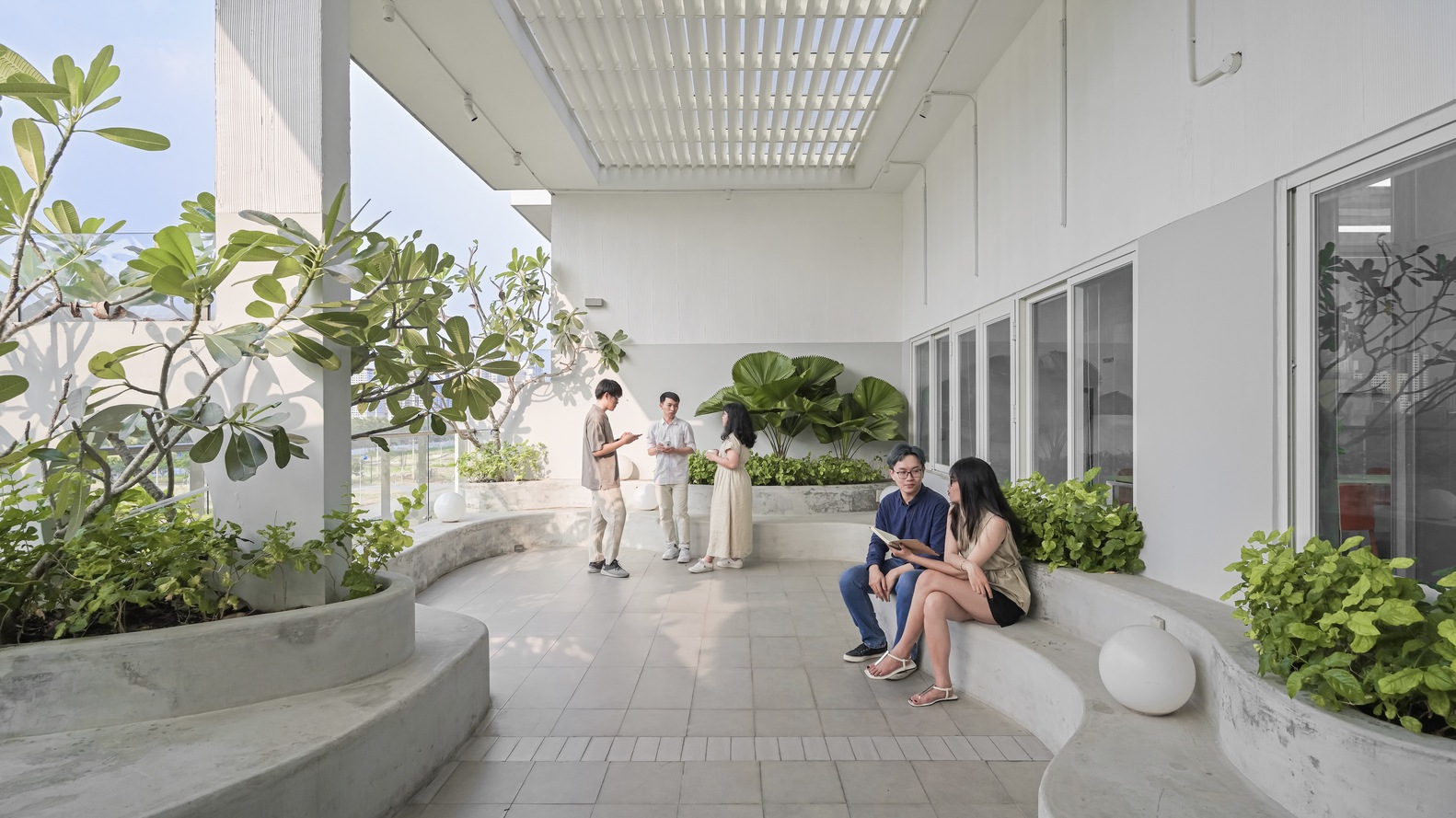
In the Industry 4.0 era, the line between technology and the workplace is becoming thinner every day. That is why smart offices have appeared and quickly become a new operating standard that every business should seriously consider. In this article, Inspire Hub explains what a smart office is, its key features, real benefits, the technologies used, and the most common design models today.
What is a smart office?
A smart office is a modern workspace model that uses advanced technology to manage and operate the working environment efficiently. These technologies include the Internet of Things (IoT), artificial intelligence (AI), and automation systems.
Simply put, a smart office is an active and adaptable environment. It can automatically adjust lighting, temperature, access control, meeting room booking, and operational data analysis in real time without manual action. This is not only about looking modern and attractive, but also about smart self-operation based on data and real user behavior.
The term smart office includes three layers of value:
- Smart technology: IoT, AI, sensors, and digital connection integrated into the physical space.
- Smart space: Flexible and multifunctional design that uses space efficiently based on real needs.
- Smart work: Modern work styles such as hybrid, agile, and data-driven work supported by full digital infrastructure.
Main features of smart office
A smart office is more than a workplace with modern machines. It is an ecosystem that connects technology, space, and people. The features below define this new office model:
Technology and automation
The core of a smart office is an integrated technology system where devices and systems communicate through an IoT network, process data in real time, and carry out actions automatically without step-by-step human control.
Typical smart office technologies include:
- Smart lighting: Motion and light sensors turn lights on or off and adjust brightness based on room occupancy and natural daylight, helping save up to 50% of lighting energy compared with normal systems.
- Smart air conditioning: The system automatically adjusts temperature, humidity, and air quality based on the number of people in each area and the regular temperature habits of users.
- Access control: Face recognition, smart cards, or smartphones replace traditional keys and connect with security cameras and real-time access logs.
- Smart meeting room booking: A screen shows the live room schedule at the door; users can book by app; the room is automatically released if no one is detected 10–15 minutes after the booked time starts.
- Building Management System (BMS): A central platform that shows all operating data such as electricity, water, air, and security on one dashboard, helping managers make decisions based on real data.
Space and natural light
Natural light is one of the first priorities in smart office design, not only for environmental reasons. Many studies show that natural light can reduce eye strain, headaches, and blurred vision, while also improving alertness, focus, and work performance.
In practice, common design solutions include:
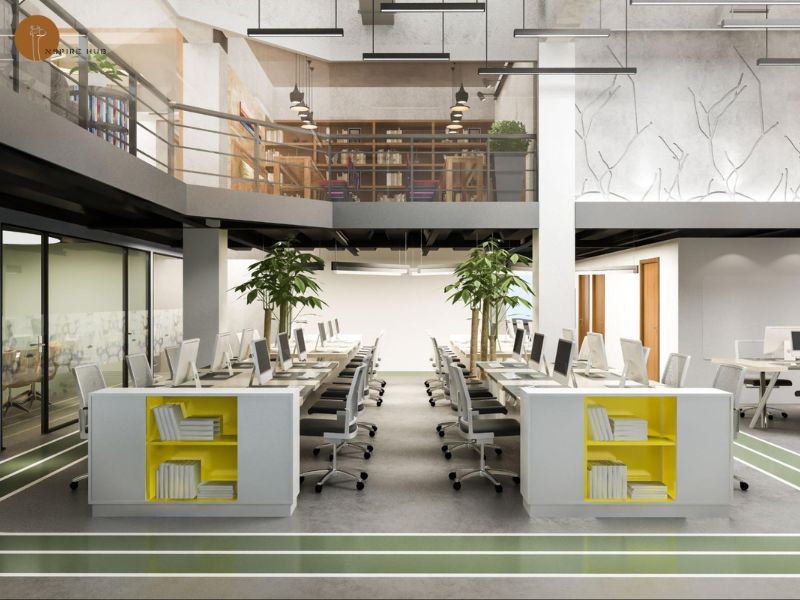
- Open layouts that maximize natural light from glass façades.
- Smart dimming glass that changes automatically with sunlight during the day.
- Space zoning that keeps deep-focus work areas away from windows and places collaboration areas near natural light.
- Sensor systems that track real use in each area to improve the layout over time.
Flexible furniture
Furniture in a smart office follows the idea of “less is fixed, more is flexible.” This means reducing fixed elements and increasing the ability to adapt quickly when the organization changes.
Typical furniture features include:
- Electric height-adjustable desks: Employees can switch between sitting and standing with one button, with gentle reminders after 45 minutes of sitting.
- Mobile furniture: Tables, cabinets, and partitions with wheels or modular connectors make it easy to change the space from an open office into an event hall and back again.
- Soundproof booths and phone booths: Portable quiet booths support private calls or deep work without building fixed rooms.
- RFID smart lockers: These replace personal desk drawers in hot-desking spaces and let each employee book a locker by day through an app.
Better employee experience
A smart office treats the workplace as an experience product, where every interaction with the environment is designed to reduce friction, improve comfort, and make employees feel cared for.
Typical experience features include:
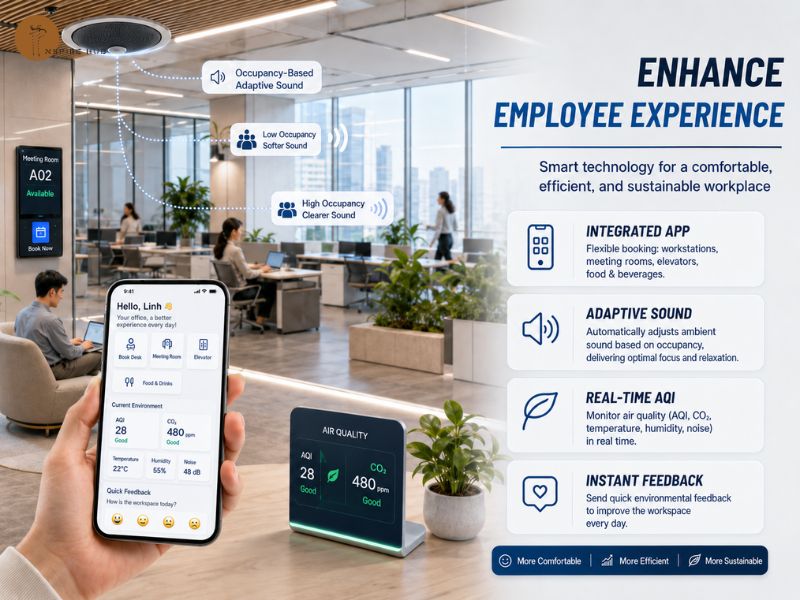
- One mobile app to book seats, meeting rooms, elevators, and food or drinks.
- Adaptive background music that changes automatically based on the number of people in the area.
- Real-time air quality sensors shown on public screens so employees can respond quickly.
- Instant feedback systems about the environment through the app.
All of this creates a working experience that is active, personal, and self-directed, something younger employees increasingly value when choosing an employer.
Benefits of smart office for businesses
A smart office brings many clear benefits for companies. These benefits are not only about technology, but also about cost, productivity, talent, and flexibility:
Lower operating costs
Companies that implement a full smart office system can save 20-40% on electricity thanks to smart lighting and air conditioning. In addition, smart office operations can reduce 15-25% of space management costs because real usage data helps optimize leased area, while BMS systems reduce maintenance costs by detecting problems early before they become major failures.
>> Read more: What do office rental costs include? Complete guides for businesses
Higher productivity
According to analysis from Leesman and CBRE, a well-designed workplace can support better productivity by reducing noise, lowering interruptions, and creating spaces that fit different types of work.
In a smart office, daily work is improved at every step: booking a meeting room in 10 seconds by app, or connecting to wireless presentation tools the moment you enter the meeting room. These small time savings add up across the whole team and create a meaningful gain in useful work time.
Better talent attraction and retention
In today’s competitive job market, the workplace has become one of the top three factors in hiring and long-term employee loyalty, especially for Gen Z and Millennials. JLL research shows that office experience quality now has a stronger impact on talent attraction, especially when employees expect more convenience, amenities, and workplace well-being.
A smart office gives companies a clear hiring advantage by sending a message: this business takes employee experience seriously, not just process and profit. This is an important cultural signal that candidates notice during the office interview stage, often making the strongest first impression.
Flexible team size
One of the less discussed but very valuable strengths of a smart office is its ability to scale with the organization without starting from zero again. Thanks to modular furniture, hot desking, and real-time space usage data, a smart office can easily support 50 to 200 people in the same area, depending on hybrid policies and remote-work ratios at each stage of growth.
Technology solutions
Modern smart office systems usually include several layers of solutions that work together, from physical infrastructure to software platforms.
| Group | Example technologies/products | Main benefit |
| Energy management | Smart lighting, smart air conditioning, HVAC, CO2 sensors | Save 20-50% energy |
| Access control | Face recognition, RFID cards, mobile app, AI cameras | High security, real-time access logs |
| Space management | Occupancy sensors, meeting room booking, desk booking apps | Better space use, lower rent costs |
| AV & collaboration | 4K wireless display, online meeting systems, digital whiteboards | Better meetings and hybrid teamwork |
| Building Management System (BMS) | IoT dashboard, predictive maintenance, automatic energy reports | Data-based decisions |
| Employee experience apps | Workplace app, food ordering, feedback system | Higher satisfaction and more autonomy |
| Information security | Zero-trust network, endpoint security, Wi‑Fi 6/6E encryption | Data protection in distributed work |
Many companies start step by step instead of installing everything at once. They often begin with meeting room booking and access control, then expand into energy management and app-based operations after the IT team becomes familiar with IoT systems.
Common models of smart offices
The combination of space planning and modern technology has created many creative office layouts. Below are the main smart office models that are shaping digital work culture today.
Activity-Based Working
Activity-Based Working (ABW) is a smart office model with no fixed desks. Instead, the space is divided into different functional zones, and each zone is designed and equipped for one specific type of activity.
A typical ABW office includes:
- Focus zone: A very quiet area with soundproofing and no phone calls, suitable for deep-focus work for 2-4 hours.
- Collaboration hub: An open teamwork area with shared tables, screens, and whiteboards for brainstorming and team work.
- Social lounge: A comfortable café-like space for informal meetings, reading, and recharging.
- Hot desk area: Personal desks that can be booked by app, suitable for days when you need a personal space but not a private room.
- Phone booth: A one-person soundproof booth for private calls.
ABW works well for hybrid teams when only 50-70% of staff are in the office on a given day. It can serve 100% of employees using only 60-65% of the space required by a traditional fixed office.
Smart open office
A smart open office is an improved version of the traditional open office. It keeps the benefit of natural communication and flexible teamwork, while solving the problems of noise and lack of privacy with smart technology.
In this model, the space is divided using soft solutions instead of hard walls: plants with sound-absorbing panels, acoustic carpets, and background sound systems that adjust automatically based on activity levels.
Integrated technologies include:
- Occupancy sensors showing empty-space maps in real time on an app
- Booking systems connected to Google Calendar or Outlook
- Building information screens placed at key traffic points
Hybrid office
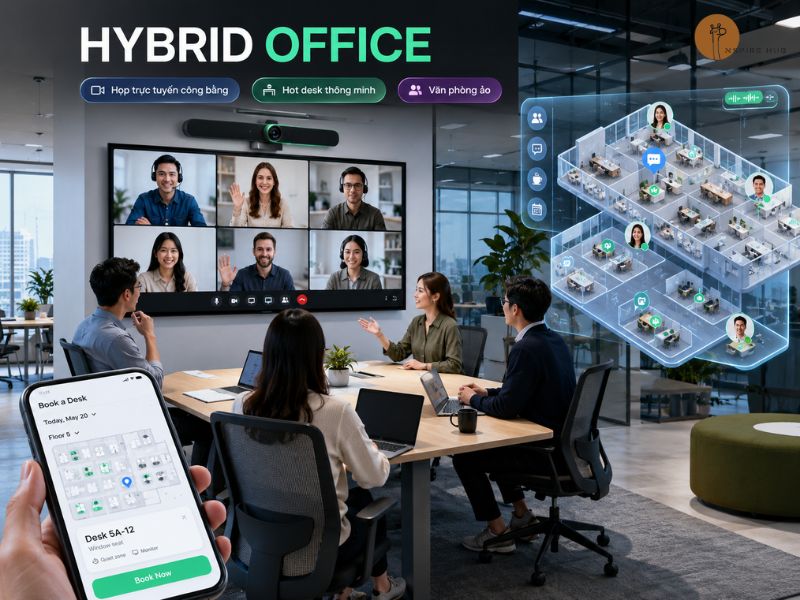
A hybrid office is a smart office model made specifically for hybrid work. Some employees work in the office, some work remotely, and both groups need to collaborate smoothly as if they were in the same place.
A hybrid office includes three main parts:
- High-quality online meeting infrastructure for fair meeting experiences between office and remote staff.
- Smart hot desking that makes booking easy and supports more team interaction.
- A virtual office model so remote staff can still connect and join informal interactions.
>> Read more: Shared office space vs coworking space: Key differences explained
Smart office at Inspire Hub
A smart office is no longer a future idea, it is now a current standard for competition. A well-designed smart office does not just reduce costs and improve productivity. It also helps build a strong company culture, attract talent, adapt quickly to change, and create a premium employer brand.
For businesses looking for a smart office in Ho Chi Minh City without investing heavily in their own technology infrastructure, Inspire Hub in Sala is the ideal choice. We offer award-winning design, ready-to-use technology infrastructure, biophilic green office space, and a dynamic business community, all in one flexible package that can start on day one.
Experience a smart office at Inspire Hub today for a free visit.
- Website: inspirehub.com.vn
- Hotline: 079 777 4 777
- Email: info@inspirehub.com.vn
- Inspire Hub 1: 03-05 Nguyen Co Thach Street, An Khanh Ward, HCMC
- Inspire Hub 2: 122-124 B2 Street, An Khanh Ward, HCMC
References:
- Leesman. (2026, March 8). Noisy spaces, quiet consequences. https://www.leesmanindex.com/articles/noisy-spaces-quiet-consequences/
- CBRE. (n.d.). Enhancing tomorrow’s people-centric workspace design. https://www.cbre.com/blogs/thrive-peter-v
- JLL. (2025, June 29). How the modern workplace is transcending the office. https://www.jll.com/en-sea/insights/how-the-modern-workplace-is-transcending-the-office